Why Progressive Community Events Matter for Your Love Life (and Your City)
When people think “dating,” they often picture apps, bars, and awkward small talk. But some of the most meaningful connections—romantic, platonic, and everything in between—start in spaces where people are showing up for their values. Progressive community events bring together folks who care about justice, sustainability, mutual aid, and inclusive joy. If you’re looking for partners or friends who share your politics and your compassion, these spaces can feel like a breath of fresh air.
Beyond dating, progressive events are about building the kind of world you want to live in: one rooted in solidarity, curiosity, and care. You’re not just “putting yourself out there”—you’re also contributing to your community.
Types of Progressive Community Events to Explore
Progressive spaces aren’t one-size-fits-all. Whether you’re an introvert who loves deep conversations, an organizer ready to hit the streets, or someone who just wants to start with a low-key meetup, there’s a lane for you.
-
Mutual Aid & Community Care
Mutual aid projects focus on people supporting each other directly, outside of traditional institutions. These might include:- Community fridges and free pantries
- Clothing swaps or free stores
- Meal prep and distribution for neighbors
- Ride shares or childcare support for those attending protests or appointments
These spaces tend to be welcoming, practical, and grounded in real relationships.
-
Social Justice Workshops & Teach-Ins
These events focus on learning and unlearning—perfect if you’re curious and love discussion. Look for:- Anti-racism trainings and reading groups
- Gender-affirming care and trans allyship workshops
- Disability justice and accessibility trainings
- Climate justice panels and skill shares
You’ll meet people who value growth, reflection, and accountability.
-
Volunteer Days & Direct Action
If you like doing rather than just talking, these might be for you:- Neighborhood cleanups and community garden workdays
- Voter registration drives and canvassing
- Housing justice campaigns and tenants’ union meetings
- Protests, marches, and rallies (with safety and accessibility in mind)
Working side by side with others can create strong bonds—and you see the impact of your time.
-
Creative & Cultural Events
Art has always been part of movements. Look for:- Poetry slams and open mics centering marginalized voices
- Film screenings with discussions on social issues
- Queer and trans art shows, zine fests, and DIY markets
- Drag performances and inclusive nightlife with a community focus
These events blend fun, culture, and politics—and can be great date ideas.
-
Identity-Based & Affinity Spaces
Sometimes you need spaces where you don’t have to explain the basics of who you are. Many communities host:- LGBTQIA+ support groups and social meetups
- Spaces for Black, Indigenous, and other people of color
- Disability, neurodivergent, and chronic illness communities
- Immigrant, refugee, and language-specific groups
These can be powerful places to feel seen and to meet people who share key parts of your lived experience.
How to Find Progressive Events Near You (and Online)
You don’t need to be “plugged in” already to find your people. A mix of digital tools and local knowledge can open a lot of doors.
-
Event Platforms
Try searching for keywords like “mutual aid,” “LGBTQ,” “social justice,” “climate,” or “community organizing” on:- Meetup – Great for recurring groups and social meetups.
- Eventbrite – Often used for workshops, panels, and fundraisers.
- Facebook Events – Many grassroots groups still organize here.
-
Local Organizations & Community Hubs
Many progressive events are hosted by organizations with their own calendars:- Local LGBTQ centers and community health clinics
- Tenant unions, worker centers, and labor unions
- Environmental justice and climate action groups
- Reproductive justice and gender equity organizations
- Mutual aid collectives and food justice groups
Check their websites, newsletters, and social media pages for upcoming events.
-
Libraries, Co-ops & Community Spaces
Don’t underestimate physical bulletin boards:- Public libraries often host or promote progressive talks and workshops.
- Food co-ops, independent bookstores, and community centers usually have event flyers.
- College and university campuses (even if you’re not a student) can be hubs for public events.
-
Online-Only Communities
If in-person events are inaccessible, online spaces can be just as real:- Virtual book clubs and study groups on abolition, feminism, or climate justice
- Zoom town halls and webinars hosted by advocacy orgs
- Discord servers and Slack groups for specific causes or identities
- Hashtags on social platforms that highlight local or identity-based communities
These can be especially supportive for people in rural areas or less affirming regions.
Tips for First-Timers: Showing Up Without Burning Out
Walking into a new space—especially one that feels politically charged—can be intimidating. You don’t have to be a seasoned activist or have all the “right” language to participate. You just need openness and respect.
-
Start with Your Capacity
You don’t have to commit to a weekly organizing meeting right away. Begin with:- A one-time workshop or social event
- A volunteer shift with a clear start and end time
- An online event you can join from home
It’s okay to say, “I’m new to this and seeing what feels sustainable.”
-
Lead with Listening
Especially in spaces organized by communities you’re not part of, prioritize listening:- Pay attention to community norms and guidelines.
- Avoid dominating discussions; leave room for others.
- If you make a mistake (everyone does), receive feedback with curiosity, not defensiveness.
-
Be Clear About Your Intentions
It’s fine to hope you’ll meet potential dates or friends, but remember: these are first and foremost community spaces, not singles mixers.- Show up to support the work and the people, not just to network.
- Let connections unfold naturally; respect boundaries and consent.
- If you’re using a dating app, you can suggest meeting at a public community event as a first or second date—it’s low pressure and values-aligned.
-
Ask How You Can Help
Organizers are often overextended. Simple questions like:- “Is there a signup sheet for volunteers?”
- “Do you need help setting up or cleaning up?”
- “How can newcomers plug in after today?”
show that you’re invested without assuming you know what’s needed.
-
Honor Accessibility & Safety
Progressive spaces aim to be safer and more accessible, but they’re not perfect. You can:- Look for events that list accessibility info (ramps, captions, childcare, masks, etc.).
- Respect community care practices, like masking requests or fragrance-free policies.
- Check in with yourself: if a space doesn’t feel safe or affirming, you’re allowed to leave.
Building Community, Finding Connection
Progressive community events aren’t just about “doing good.” They’re about belonging. When you show up consistently, you start recognizing faces, learning names, and building trust. Over time, those connections can turn into friendships, collaborations, and yes, sometimes romantic relationships that are grounded in shared values and mutual respect.
If you’re using a dating app, you can weave this into your dating life:
- Mention causes or communities you care about in your profile.
- Suggest a community event as a date idea—like a film screening, fundraiser, or volunteer shift.
- Share resources and events with matches who are interested in getting involved.
You don’t need to be an “activist” to belong in these spaces. You just need to care about people and be willing to learn. Start with one event, one workshop, one meetup. See how it feels. Community building is slow, imperfect, and deeply human—and that’s exactly what makes it such fertile ground for real connection.
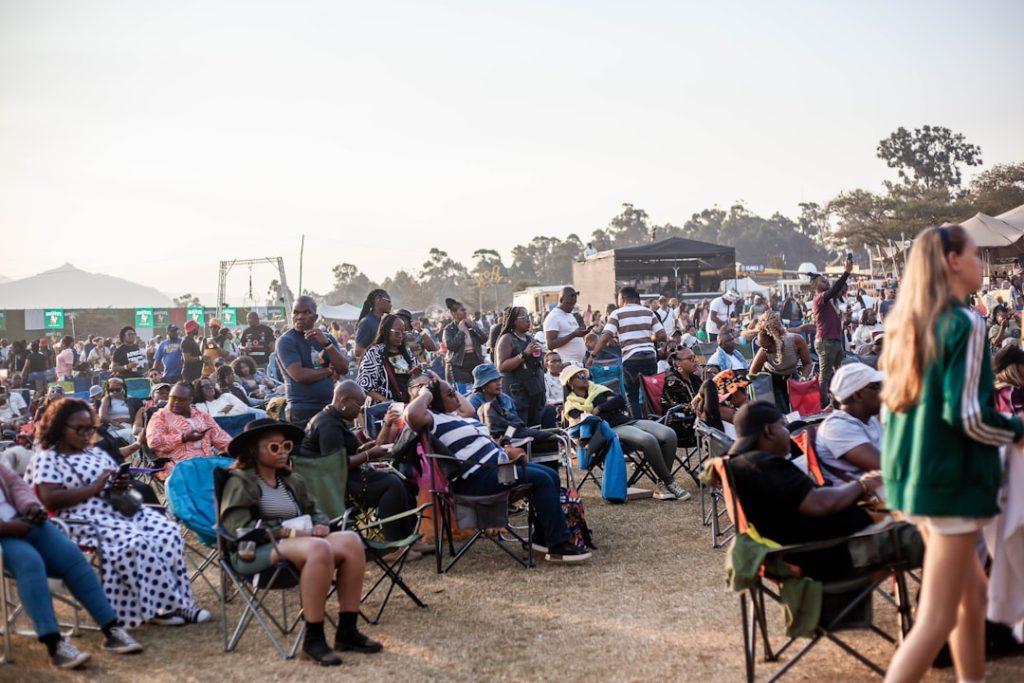
Photo by Mysterious X on Unsplash
Stay Connected with Flamr
Don’t forget to follow Flamr on social media!
Relacionado
Discover more from Fyra - Dating App for Progressives
Subscribe to get the latest posts sent to your email.