Why Progressive Community Events Matter for Your Love Life (and Your Soul)
Progressive dating isn’t just about swiping on people who share your values. It’s about building a life where those values actually show up in your day-to-day world. That’s where community events come in. Whether you’re passionate about climate justice, mutual aid, queer joy, racial equity, disability rights, or reproductive freedom, there are gatherings—online and offline—where you can meet people who care about the same things you do.
These spaces aren’t just “networking opportunities.” They’re places to feel less alone, to learn, to take action, and yes, to flirt a little while you’re at it. Think of them as the antidote to doomscrolling: real people, real connections, real change.
Below, we’ll walk through the kinds of progressive events out there, how to find them, why they matter, and how to show up confidently—even if you’re brand new.
1. Types of Progressive Community Events (and What They’re Really Like)
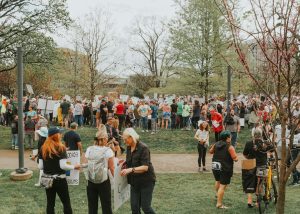
Progressive community spaces come in many shapes and sizes. Some are explicitly political; others are more about mutual support, joy, and culture. Here are a few common types:
-
Issue-Based Gatherings
These focus on specific topics: climate justice, prison abolition, reproductive rights, trans liberation, labor organizing, housing justice, and more. They might be teach-ins, panel discussions, film screenings, or reading groups.
What to expect: Short presentations, Q&A, breakout discussions, and sign-up sheets for future actions. These are great if you want to learn and meet people who are deeply engaged with a particular issue.
-
Mutual Aid and Volunteer Events
Mutual aid projects redistribute resources and support within communities—think community fridges, clothes swaps, harm reduction outreach, or ride shares for people seeking healthcare. Volunteer events might include packing food, tutoring, community cleanups, or helping at a shelter.
What to expect: Hands-on work, clear tasks, and a sense of immediate impact. These events often attract people who are practical, caring, and collaborative.
-
Social and Cultural Events with a Progressive Lens
These could be queer dance nights, feminist book clubs, disability justice arts showcases, BIPOC-centered open mics, or community potlucks. The focus is joy, culture, and connection—politics is often present, but not always the main agenda.
What to expect: Music, food, art, conversation, and plenty of opportunities to meet people in a low-pressure environment.
-
Workshops and Skill-Building Spaces
From “Intro to Community Organizing” to “Know Your Rights” trainings, anti-racism workshops, or bystander intervention classes, these events help you build skills for both activism and daily life.
What to expect: Interactive exercises, role-plays, and reflection. These are great if you’re nervous and want structured activities rather than free-form mingling.
-
Online Community Spaces
Virtual events include Zoom panels, online reading groups, Discord communities, livestreamed rallies, and mutual aid organizing over group chats. These can be especially important for people in rural areas, disabled folks, or anyone who feels safer connecting online.
What to expect: Chat boxes full of resources, breakout rooms, and ongoing group channels where connections can continue after the event.
2. How to Find Local (and Online) Progressive Events
You don’t need insider connections to find your way into progressive spaces. A lot of events are public, and organizers genuinely want new people to show up. Here are some starting points:
-
Event Platforms
- Meetup: Search for groups with keywords like “social justice,” “mutual aid,” “LGBTQ+,” “climate action,” “feminist,” “anti-racism,” or “community organizing.”
- Eventbrite: Filter by your city and use similar keywords. Many nonprofits and grassroots orgs use Eventbrite to manage free or low-cost events.
- Facebook Events: Follow local organizations and venues; check their event tabs regularly.
-
Local Organizations and Community Spaces
- Check the websites and social feeds of local nonprofits, community centers, mutual aid networks, labor unions, and grassroots coalitions.
- Follow your local LGBTQ+ centers, cultural centers, and independent bookstores—they often host or promote progressive events.
- Universities and colleges (even if you’re not a student) often host public lectures, panels, and workshops on social justice topics.
-
Specialized Platforms and Directories
- Some cities have progressive event calendars hosted by alt-weeklies, community radio stations, or activist networks.
- Mutual aid or organizing groups often maintain shared Google Calendars or public spreadsheets with upcoming events.
- For online events, look for digital conferences, webinars, and virtual meetups advertised through newsletters or social media.
-
Your Dating App & Social Networks
- Some dating apps (including ours!) highlight local progressive events or partner with organizations for community gatherings.
- Ask matches or friends: “Know any good community events coming up?” People who are already plugged in often love bringing someone new along.
The key is to start small: pick one or two events that genuinely interest you, rather than trying to attend everything at once. Consistency builds community more than occasional bursts of activity.
3. Why Community Building Is Essential (Beyond Politics)
Progressive values are often about interdependence: we keep each other safe, we share resources, we push back against systems of oppression together. Community events make that real.
Here’s what they can do for you and your relationships:
-
Reduce Isolation
If you’re the “political one” in your family or friend group, progressive spaces can remind you that you’re not alone. That sense of belonging can be deeply grounding and healing.
-
Expand Your Worldview
You’ll meet people from different backgrounds and identities, which can deepen your understanding of intersectionality and solidarity. That makes you a more thoughtful partner, friend, and community member.
-
Strengthen Your Values in Practice
It’s one thing to say you care about justice; it’s another to show up, listen, and act. Being in community helps you align your daily life with your beliefs.
-
Create Relationship-Friendly Contexts
Meeting people through shared values can feel more organic and less performative than traditional dating. You’re not just “on a date”; you’re doing something meaningful together, which can build trust and connection.
-
Build Networks of Care
Progressive communities often emphasize mutual care: checking in on each other, sharing resources, and creating safer spaces. Those networks can be life-changing during crises, transitions, or burnout.
Think of community building as a long-term investment in your emotional resilience, your relationships, and your ability to keep showing up for the causes you care about.
4. Tips for First-Timers (Showing Up Without Burning Out)
Walking into a new space—especially a political or activist one—can feel intimidating. You might worry about saying the wrong thing, not knowing enough, or not belonging. That’s normal. Here are some ways to make your first experiences more comfortable:
-
Start with Your Comfort Level
If big rallies or protests feel overwhelming, begin with a small discussion group, workshop, or volunteer shift. If you’re neurodivergent, disabled, or anxious in crowds, look for events that explicitly mention accessibility, hybrid options, or quiet spaces.
-
Go with a Buddy
Invite a friend, date, or someone you’ve connected with online. Having one familiar face can make introductions and conversations easier. Many events welcome newcomers and will pair you with someone experienced if you ask.
-
Arrive a Little Early
Early arrivals often get a chance to chat with organizers, ask questions, and ease into the space before it fills up. It’s also a great time to say, “Hey, this is my first event—anything I should know?”
-
Practice Listening and Curiosity
You don’t need to have all the right language or answers. Focus on listening, asking respectful questions, and being open to learning. If you make a mistake, apologize, correct it, and move on—most communities understand that growth is a process.
-
Respect Boundaries and Identities
Progressive spaces often center people who are marginalized in mainstream culture. That means respecting pronouns, names, access needs, and community guidelines. If there’s a code of conduct, read it.
-
Don’t Overcommit
It’s tempting to sign up for everything, especially when you feel inspired or guilty about not doing “enough.” Start with one recurring commitment or a single project. Burnout helps no one—including you.
-
Follow Up
If you meet someone you vibe with—romantically, platonically, or as an organizing partner—ask if they’d like to grab coffee, attend another event together, or connect on social media. Community grows through repeated contact.
Remember: you’re allowed to be new. You’re allowed to be learning. You’re allowed to be there.
5. Blending Online and In-Person: Building a Sustainable Community Life
In a world where everything feels both hyper-connected and deeply fragmented, it’s helpful to think of your community life as an ecosystem that includes both online and offline spaces.
-
Use Online Spaces as On-Ramps
Join a Discord server, Slack workspace, or group chat for a cause you care about. Attend a virtual event or webinar. Ask organizers if there are low-stakes ways to plug in (like helping with social media, translation, or research) before you attend in person.
-
Let In-Person Events Deepen Online Connections
If you’ve been engaging with a community online, in-person meetups can make those relationships feel more grounded. It’s often easier to move from “mutuals” to “friends” when you’ve shared a meal, marched together, or sat in the same workshop.
-
Honor Access Needs
Not everyone can or wants to show up in person. Disabled folks, immunocompromised people, caregivers, and those without reliable transportation rely on virtual options. When you’re part of a community, advocate for hybrid events and accessible formats.
-
Check In With Yourself Regularly
Community involvement should be sustainable. Notice how you feel after events: energized, drained, inspired, overwhelmed? Adjust accordingly. It’s okay to take breaks, switch roles, or shift to online-only engagement when needed.
Ultimately, progressive community events are about more than “being a good person.” They’re about building a world where care, justice, and joy are shared responsibilities—and where you don’t have to navigate life or love alone.
If you’re reading this, you’re already curious. The next step is simple: pick one event, one group, or one small action and show up. Your future self—and your future connections—will be glad you did.
Photo by Timur Garifov on Unsplash
Stay Connected with Flamr
Don’t forget to follow Flamr on social media!
Relacionado
Discover more from Fyra - Dating App for Progressives
Subscribe to get the latest posts sent to your email.