Love, Liberation, and the Right to Be: Dating in a World Still Learning LGBTQ+ Rights
Dating has always been about more than chemistry. It’s about safety, dignity, and the freedom to show up as yourself without apology. For LGBTQ+ people, that freedom has never been guaranteed—and even in 2026, it still isn’t. Yet amid backlash and bad headlines, there’s a quieter, steadier story unfolding: one of people building relationships that are as radical as they are tender, and as political as they are personal.
On a progressive dating app, it’s easy to think we’re already in a bubble of acceptance. Profiles proudly list pronouns, talk about queer joy, and reference chosen family. But those small, everyday choices are part of a much larger struggle for LGBTQ+ rights: a struggle that stretches from Stonewall to statehouses, from courtrooms to coffee dates.
From Survival to Visibility: A Brief Look Back
The history of LGBTQ+ rights is a history of people insisting on love in a world that called them illegal, sick, or invisible. In the mid-20th century, queer and trans people faced criminalization for simply existing in public. Police raids on bars, psychiatric “treatments,” and laws against same-sex relationships made it dangerous to meet, flirt, or form community.
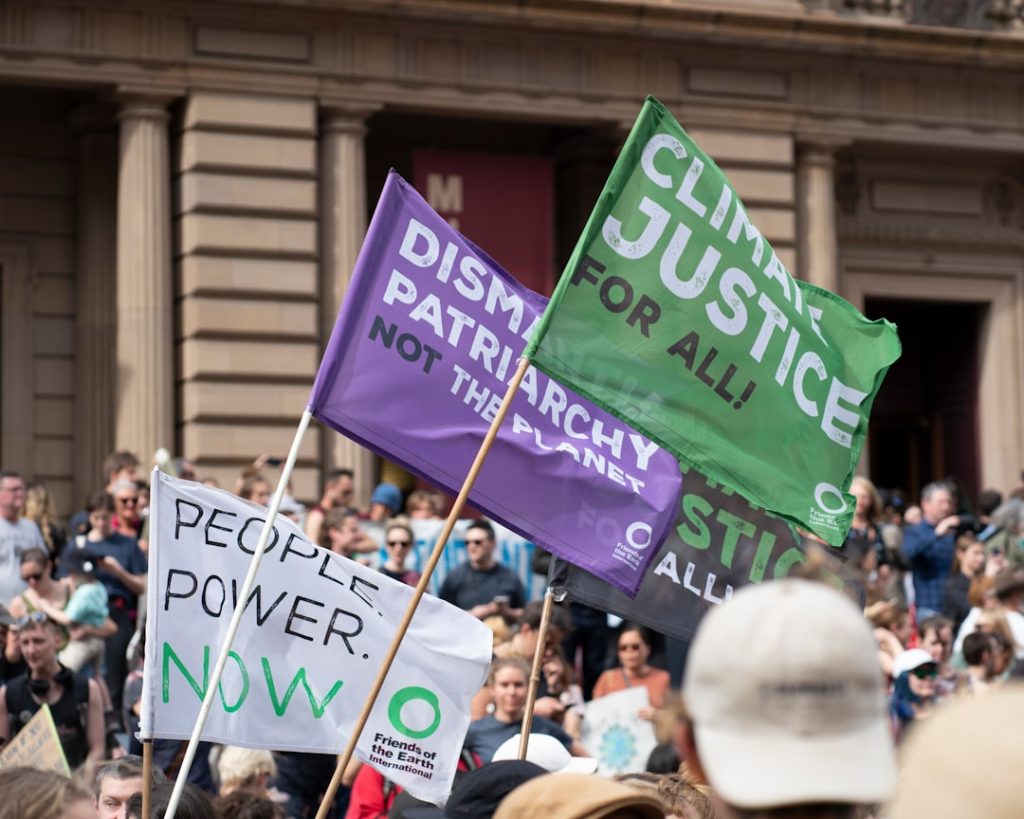
The Stonewall uprising in 1969 is often cited as a turning point, but it was one moment in a longer continuum of resistance led by trans women of color, drag queens, butch lesbians, and street-involved youth who were tired of being brutalized for who they were. Pride began as a protest, not a parade.
Over the decades, activism pushed LGBTQ+ issues from the shadows into mainstream politics: the fight against the AIDS crisis, campaigns for anti-discrimination laws, the push for marriage equality, and the growing recognition of transgender rights. Each step forward changed not just laws, but how people date, love, and imagine their futures.
Legal protections made it safer to be out at work, to introduce a partner to family, to build a life together without constantly fearing the next emergency might separate you. Yet, even as some LGBTQ+ people gained rights, others—especially Black, Brown, trans, disabled, and low-income folks—continued to experience violence, policing, and exclusion.
The Current Moment: Progress and Backlash Living Side by Side
Today, LGBTQ+ rights exist in a paradox. In some places, queer and trans visibility is celebrated in media, pop culture, and corporate campaigns. Many of us can swipe through dating profiles that openly name queer identities, nonbinary genders, and polyamorous relationships. Some can legally marry, adopt, and access gender-affirming care.
At the same time, there’s a rising wave of anti-LGBTQ+ legislation and rhetoric in many regions. Trans youth are being targeted with bans on gender-affirming care and participation in sports. Books with queer and trans characters are being pulled from school shelves. Drag performances are being restricted. In some areas, simply being visibly queer or trans in public feels more dangerous than it did a few years ago.
This tension—between expanded visibility and intensified backlash—shapes how people date and connect. For many LGBTQ+ folks, especially those at intersections of multiple marginalized identities, the question isn’t just “Who do I want to meet?” but also:
- Will this person respect my pronouns, my identity, my boundaries?
- Is it safe to hold hands with them in my neighborhood?
- Can we talk openly about our lives without worrying about being overheard?
- If I’m outed through a dating app, what could that mean for my job, housing, or safety?
Even on progressive platforms, people bring their histories and traumas with them. A trans woman who has been rejected or fetishized over and over may hesitate to trust someone who says they’re “cool with trans people.” A nonbinary person may wonder if they’ll be asked to “pick a side.” A queer person of color might weigh whether a match understands that their racial identity and their queerness are inseparable.
And yet, amidst all this, queer and trans people are building relationships that are deeply intentional. Many are rejecting narrow scripts about what relationships “should” look like and instead co-creating partnerships that prioritize consent, communication, and mutual care. That’s not just a personal choice; it’s a quiet form of resistance.
Dating as Political Practice: How We Show Up Matters
It’s tempting to think of politics as something that happens “out there”—in elections, protests, and court decisions. But the values behind LGBTQ+ rights show up in everyday dating choices. On a progressive app, the way we write our bios, swipe, and message reflects what we believe about gender, sexuality, and human dignity.
Some questions worth sitting with:
- Do we treat people’s identities as basic facts to respect, or as preferences to negotiate?
- Do we filter out people based on stereotypes about their gender, race, body, or disability—then call it “just a preference”?
- Do we center consent and communication, or assume that once someone matches with us, they owe us time, attention, or emotional labor?
- Do we treat trans and nonbinary people as whole humans with desires, boundaries, and complexity—or as educational resources, fantasies, or checkboxes?
LGBTQ+ rights are about more than laws; they’re about culture. A world that truly embraces queer and trans people is one where:
- Pronouns are asked and respected without debate.
- People can talk about their identities without having to defend or justify them.
- Queer and trans love stories are seen as ordinary, not “brave” exceptions.
- Intersections of race, class, disability, and immigration status are recognized as central, not side notes.
On a dating platform, that culture is built one profile, one message, one date at a time. When we normalize sharing pronouns, when we call out transphobic jokes, when we refuse to tolerate racism or fatphobia in our circles, we’re not just being “good allies”—we’re participating in a broader project of liberation.
Imagining the Future: Queer and Trans Love Without Fear
It’s easy to feel overwhelmed by the scale of the challenges: discriminatory laws, misinformation, violence, and the way social media amplifies hate. But there are also reasons for hope—real, grounded ones.
Young people around the world are increasingly comfortable with fluid understandings of gender and sexuality. More families are affirming their queer and trans children. Mutual aid networks are helping people access hormones, safe housing, and community support. Grassroots organizations are fighting anti-trans legislation, providing legal aid, and pushing for inclusive education.
Technology, including dating apps, can be part of that future if we’re intentional about it. Imagine platforms where:
- Safety tools are designed with trans and queer users in mind, not as an afterthought.
- Algorithms are audited to reduce bias against marginalized identities.
- Harassment and hate speech are taken seriously, with real consequences.
- Education about consent, pronouns, and inclusive language is built into the user experience, not left to chance.
Beyond apps, imagine a world where queer and trans people can:
- Access gender-affirming healthcare without fear, delay, or financial ruin.
- Walk into any public space—schools, workplaces, bars, clinics—and be treated with respect.
- Form families in whatever ways make sense to them, with legal protections that recognize those bonds.
- Live and love openly without constantly scanning for danger.
That future isn’t guaranteed. It will take organizing, voting, donating, protesting, storytelling, and everyday acts of courage. But it’s not a fantasy. It’s already being built in countless small ways by people who refuse to choose between their safety and their authenticity.
Where You Come In: Turning Values into Practice
If you’re reading this on a progressive dating app blog, you’re already part of a community that believes love and justice belong in the same sentence. The question is: what will you do with that?
A few places to start:
- Reflect on your own dating habits. Whose profiles do you swipe past without thinking? What assumptions do you make about certain identities? Where did those ideas come from—and do they align with your values?
- Practice everyday respect. Share your pronouns. Ask for others’. Use the language people use for themselves. If you make a mistake, correct it and move on without centering your guilt.
- Challenge harmful behavior. If you see transphobia, homophobia, racism, or body shaming in your circles—online or offline—speak up. Silence protects the status quo.
- Support LGBTQ+ organizations. Donate if you can. Share their resources. Show up for campaigns that protect trans healthcare, anti-discrimination laws, and queer youth.
- Hold space for complexity. Remember that being queer or trans doesn’t look just one way. Listen more than you speak. Let people tell you who they are.
Dating is often framed as a personal journey, but it’s also a collective one. The norms we accept, the boundaries we set, and the care we offer shape the landscape for everyone who comes after us. LGBTQ+ rights are not just about courts and legislatures; they’re about whether a young queer or trans person can open a dating app and feel possibility instead of fear.
So as you swipe, flirt, and fall in love—or learn from the dates that don’t work out—take a moment to ask yourself: How can my search for connection also be a practice of solidarity? How can my desire be aligned with my politics, my tenderness with my commitment to justice?
The future of LGBTQ+ rights won’t be written only in laws and policies. It will be written in the stories we tell, the relationships we build, and the everyday choices we make about whose humanity we honor. Your next match might not just be a date; it could be one more step toward a world where everyone, truly everyone, has the right to love and be loved without fear.
Photo by Lawrence Makoona on Unsplash
Stay Connected with Flamr
Don’t forget to follow Flamr on social media!
Relacionado
Discover more from Fyra - Dating App for Progressives
Subscribe to get the latest posts sent to your email.