Love, Liberation, and the Fight for Trans and Queer Futures
Dating has always been political, whether we name it that way or not. Who we’re allowed to love, whose relationships are recognized, whose bodies are deemed “acceptable,” and whose safety is protected in public spaces—these are all questions shaped by law, culture, and power. For LGBTQ+ people, and especially for trans and nonbinary folks, the politics of love are impossible to separate from the politics of survival.
Yet in the middle of backlash, bans, and bad headlines, queer and trans people are still flirting, still matching, still falling in love, still building families and communities that don’t wait for the law to catch up. On a progressive dating app, every profile is more than a bio; it’s a small act of self-determination. It says: “I exist. I deserve connection. I am worthy of being seen.”
LGBTQ+ rights are often reduced to a checklist—marriage equality, anti-discrimination laws, healthcare access. But underneath those policy fights is a deeper question: Do we believe that everyone deserves to live and love openly, safely, and with dignity? If we do, then LGBTQ+ liberation isn’t a niche issue. It’s a blueprint for a more humane world—for everyone.
From Criminalization to Visibility: A Brief Look Back
To understand where we are, it helps to remember how far we’ve come—and how incomplete that progress is. Not long ago, queer and trans love was criminalized outright. Same-sex relationships were illegal in many places. Trans people were arrested for “cross-dressing.” Police raids on bars and community spaces were routine. Being out could mean losing your job, your children, your home, your safety.
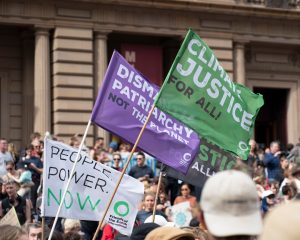
The mid-20th century LGBTQ+ rights movement—often traced through moments like the Stonewall uprising—wasn’t just about the right to hold hands in public. It was about survival, bodily autonomy, and the refusal to accept shame. Early activists demanded:
- Decriminalization of same-sex relationships and gender nonconformity
- Protection from police harassment and violence
- Basic recognition: the right to exist without hiding
Over time, legal victories followed. Anti-sodomy laws were struck down. Marriage equality became law in many countries. Anti-discrimination protections expanded, at least on paper. Trans people fought for recognition in IDs, healthcare, and workplaces. Visibility increased in media, politics, and culture. Many younger queer people grew up seeing at least some version of themselves on screen or in public life.
But progress has never been a straight line. Every gain has been met with backlash, and the last few years have made that backlash impossible to ignore.
Where We Are Now: Rights Under Attack, Community Under Construction
Today, LGBTQ+ people live in a paradox. In some cities, you can go on a date with your partner, introduce them with the pronouns that feel right, and be greeted with nothing more than a nod from the host. In other places, that same moment could invite harassment, legal risk, or violence. For trans and nonbinary people, especially those who are Black, brown, disabled, undocumented, or poor, the gap between “visibility” and “safety” can be enormous.
Across many regions, we’re seeing:
- Legislation targeting trans healthcare, especially for youth, and sometimes for adults
- Attacks on drag, queer books, and inclusive education under the guise of “protecting children”
- Efforts to roll back anti-discrimination protections in housing, employment, and public accommodations
- Online harassment campaigns targeting queer and trans creators, educators, and healthcare providers
These aren’t random culture war skirmishes; they’re part of a coordinated attempt to narrow who counts as fully human. When lawmakers debate whether trans people can access hormones or whether queer history can be taught in schools, they’re not just debating policy. They’re debating whether some people’s lives are “acceptable.”
And yet, at the same time, queer and trans community-building has never been more creative. Mutual aid networks help people access affirming care. Online spaces connect folks in rural or hostile environments with support and potential partners. Dating apps are adding gender and orientation options that go beyond old binaries. People are naming their identities in ways previous generations couldn’t safely imagine.
Within this tension—between restriction and resistance—dating becomes both ordinary and radical. Ordinary, because everyone deserves to flirt, to be awkward, to feel butterflies. Radical, because for many LGBTQ+ people, stepping into the light with your full self is still an act of defiance.
Dating as a Site of Liberation
What does all of this have to do with a dating app? More than it might seem.
The way we design and use dating platforms shapes who feels welcome, who feels safe, and whose humanity is affirmed. When an app:
- Offers expansive gender, pronoun, and orientation options
- Lets people describe themselves in their own words
- Builds in tools to report harassment and hate
- Centers consent, respect, and safety in its culture
…it isn’t just being “inclusive.” It’s participating in a broader struggle for LGBTQ+ liberation. It’s saying: We refuse to treat some people’s identities as a glitch in the system. We’re building the system around you, not despite you.
On a personal level, the choices we make in our dating lives can either reinforce or resist the narratives that harm queer and trans people. Consider:
- Do you treat someone’s pronouns and name as negotiable or non-negotiable?
- Do you swipe left on people just because their identity challenges your assumptions?
- Do you ask invasive questions about someone’s body or transition that you wouldn’t ask a cis person?
- Do you talk openly with partners about safety, especially if one or more of you is visibly queer or trans in public?
These small decisions add up. They shape whether LGBTQ+ people experience dating as another arena of risk—or as a space where they can be fully themselves, desired without conditions, loved without erasure.
Imagining Queer and Trans Futures: Beyond “Inclusion”
It’s tempting to frame LGBTQ+ rights as a quest for inclusion: to be let into existing institutions—marriage, the military, corporate life—on equal terms. Inclusion matters. Being able to marry the person you love, to work without hiding, to access healthcare without lying about who you are—these are real, necessary victories.
But queer and trans communities have also always been laboratories for imagining something more than just inclusion. They’ve experimented with:
- Chosen families that expand our ideas of kinship and care
- Polyamorous and non-monogamous relationships that question ownership and control
- Gender expressions that reveal how creative and fluid identity can be
- Community care practices that don’t wait for institutions to save us
These aren’t just “alternative lifestyles.” They’re visions of what relationships could look like if we centered consent, mutual aid, and self-determination instead of rigid roles and hierarchies. In that sense, LGBTQ+ liberation isn’t just about queer and trans people; it’s about expanding the range of what’s possible for everyone.
Imagine a world where:
- No one fears losing housing, healthcare, or employment because of who they are or who they love.
- Gender-affirming care is accessible, affordable, and understood as basic healthcare.
- Schools teach queer and trans history as part of the story of democracy and human rights, not as a controversial add-on.
- Dating apps treat safety and respect as core features, not optional settings.
These futures aren’t guaranteed. But they are possible—if we’re willing to see LGBTQ+ rights not as a side issue, but as a central measure of how serious we are about justice.
What You Can Do: Turning Values into Practice
You don’t have to be an activist, a policy expert, or even queer or trans yourself to be part of this work. If you care about building a world where love is freer and safer, you’re already connected to the struggle for LGBTQ+ liberation.
Some ways to start or deepen that connection:
- Reflect on your dating habits. Who do you swipe past automatically? What assumptions do you make about people’s bodies, identities, or roles in relationships? Where did those assumptions come from?
- Practice everyday respect. Use people’s names and pronouns correctly. Don’t ask questions about someone’s body or medical history that you wouldn’t want asked of you. Believe people when they tell you who they are.
- Learn, and keep learning. Read books and articles by queer and trans authors. Follow LGBTQ+ creators, especially those from marginalized communities. Listen more than you speak.
- Support organizations on the front lines. Donate if you can. Share resources. Show up to events. Many groups are doing critical work around legal defense, healthcare access, youth support, and community safety.
- Use your voice where it counts. Talk to friends and family about why LGBTQ+ rights matter. Pay attention to local and national politics. Vote in ways that protect and expand rights, not narrow them.
Most of all, remember that every interaction is a chance to either reinforce shame and fear—or to create a little more room for someone to breathe. When you match with someone who trusts you enough to share their identity, you’re not just starting a conversation. You’re being invited into their vulnerability, their history, their hope.
Whether you’re queer, trans, questioning, or an ally, your choices in dating and in daily life help shape the world we’re all moving toward. The question isn’t just, “Who do you want to meet?” It’s also, “What kind of world do you want that meeting to happen in?”
Take a moment to reflect: How can your next message, your next date, your next vote, your next conversation bring us closer to a future where every person—of every gender and sexuality—can live and love openly, safely, and with joy? And what would it mean to start building that future, not someday, but right now, with the way you show up for others on and off this app?
Stay Connected with Flamr
Don’t forget to follow Flamr on social media!
Relacionado
Discover more from Fyra - Dating App for Progressives
Subscribe to get the latest posts sent to your email.