Why Progressive Community Events Matter (Especially When You’re Dating)
Swipe culture can make it feel like dating happens in a vacuum—just you, your phone, and an algorithm. But some of the most meaningful connections happen when you’re shoulder-to-shoulder with others, showing up for the causes you care about. Progressive community events bring together people who share values around justice, equity, sustainability, and collective care. They’re also a great way to meet potential partners, friends, and collaborators in a low-pressure, real-world setting.
Whether you’re passionate about climate action, racial justice, LGBTQ+ rights, disability justice, reproductive freedom, housing, or labor organizing, there’s likely a community space near you (or online) where people are learning, organizing, and celebrating together. The goal isn’t perfection; it’s participation. You don’t have to be an expert or a “super activist” to get involved—you just have to show up.
Types of Progressive Community Events You Can Join
Progressive community spaces are diverse, and not every event is a protest or a town hall. Many are creative, social, and intentionally welcoming to newcomers. Here are some common types:
- Educational events and teach-ins – Workshops, panels, and teach-ins led by organizers, scholars, or community leaders. Topics might include abolition and transformative justice, climate policy, disability justice, mutual aid, tenants’ rights, or digital privacy. These are great if you’re curious and want to learn before diving into action.
- Mutual aid and volunteer days – Food distribution, community fridges, clothing swaps, harm-reduction outreach, tutoring, childcare support for organizers, or ride shares to medical appointments. Mutual aid projects focus on solidarity, not charity, and are often very hands-on.
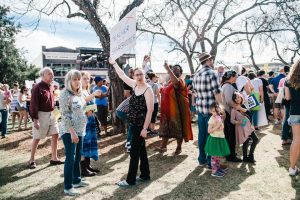
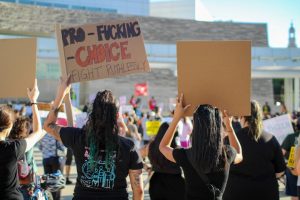
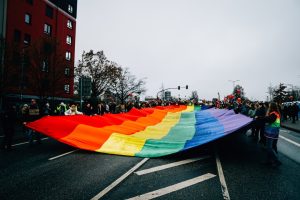
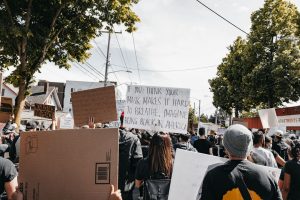
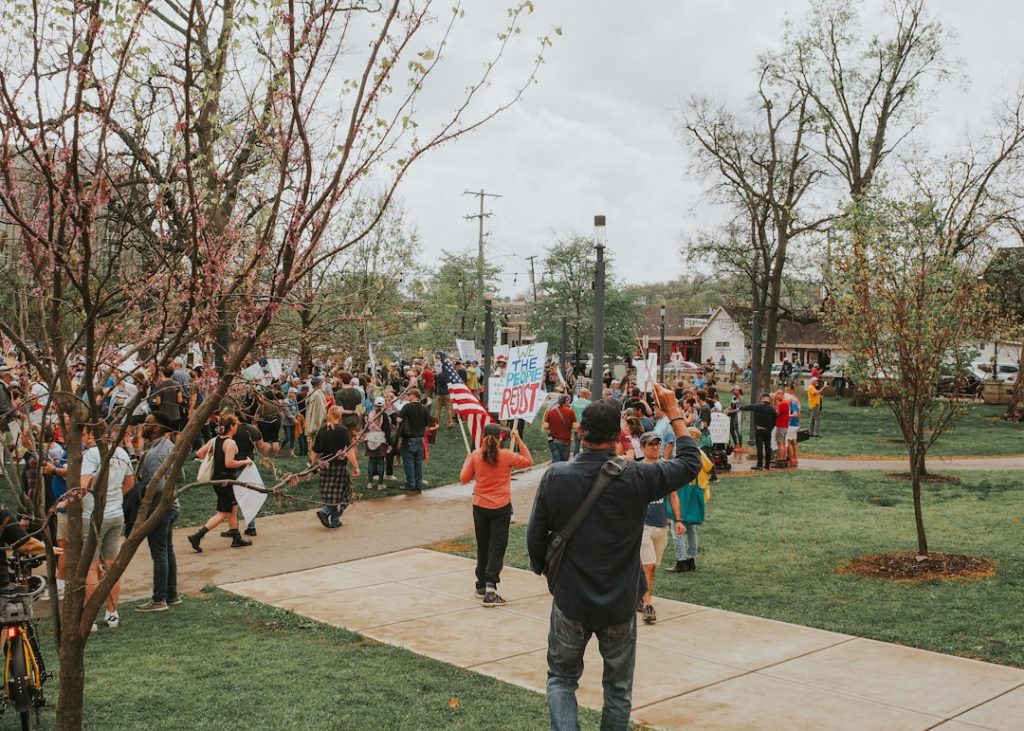
- Rallies, marches, and direct actions – Public demonstrations, picket lines, campus walkouts, or creative actions like banner drops and art installations. These can be energizing and powerful, but also more intense—great to attend with a buddy or group.
- Social and cultural events – Queer open mics, feminist book clubs, film screenings, poetry nights, drag shows, art builds, dance parties, and community potlucks that center marginalized voices. These spaces often blend culture, joy, and resistance.
- Skill-sharing and organizing trainings – Sessions on how to do community outreach, facilitate meetings, run campaigns, fundraise, or create accessible events. If you’ve ever wondered “How do people actually organize?”, these are for you.
- Support circles and affinity groups – Spaces for specific communities (e.g., BIPOC-only groups, queer and trans support circles, survivors’ groups, disabled organizers, youth or elders). These can be deeply affirming and healing, and many welcome new members gently and intentionally.
- Online events and digital organizing – Virtual town halls, Zoom teach-ins, Discord organizing hubs, signal groups, and social media campaigns. These increase access for people who are disabled, immunocompromised, caregivers, or living in areas with fewer in-person options.
Each of these spaces can be a place to meet people who share your values. You might end up trading book recommendations, making art together, or walking home from a rally with someone who gets your politics and your sense of humor.
How to Find Local Progressive Events (Online and IRL)
If you’re not already plugged in, it can feel intimidating to figure out where to start. The good news: progressive communities tend to be well-networked and pretty visible once you know where to look.
-
Use event platforms
- Meetup – Search for keywords like “social justice,” “mutual aid,” “LGBTQ+,” “climate action,” “feminist,” “abolition,” “disability justice,” or “racial justice” plus your city.
- Eventbrite – Filter by “Free” and “Online” or your local area. Look for teach-ins, community forums, solidarity concerts, and fundraisers.
- Facebook Events – Many grassroots groups still use Facebook to promote events; search locally and follow organizations you like.
-
Check local organizations and community hubs
- Local chapters of national orgs (e.g., climate justice groups, reproductive rights orgs, tenants’ unions, harm reduction collectives) often list events on their websites.
- Community centers, LGBTQ+ centers, cultural centers, co-ops, and independent bookstores usually have bulletin boards or online calendars.
- Campus groups at nearby colleges or universities (even if you’re not a student) frequently host public talks, screenings, and actions.
-
Follow social media accounts
- Find local organizers and organizations on Instagram, TikTok, or X (Twitter). Many post flyers, graphics, and sign-up links in their bios or stories.
- Search hashtags with your city or region plus terms like #mutualaid, #climatejustice, #BlackLivesMatter, #transrights, or #tenantsunion.
-
Ask people you already know
- If you’re chatting with matches on a dating app, it’s totally fair (and often attractive) to ask: “Do you know any good community spaces or events in the city?”
- Friends, coworkers, and classmates might be quietly involved in cool projects and happy to bring you along.
-
Look for recurring spaces
- Monthly community dinners, weekly reading groups, recurring mutual aid days, or regular organizing meetings make it easier to build relationships over time.
- Once you find one group you like, you’ll usually hear about others through them—progressive networks overlap a lot.
Tips for First-Timers: Showing Up With Care and Confidence
Walking into a new space can feel vulnerable, especially if you’re shy, marginalized, or worried about “saying the wrong thing.” You’re not alone in that. Many organizers remember their first event as awkward and confusing—and they still kept coming back. Here are some ways to make your first experiences smoother:
- Start with what feels manageable – If a big march feels overwhelming, try a small workshop, a film screening, or a volunteer shift. Online events can also be a gentle starting point—cameras off is usually okay unless otherwise stated.
- Read the event description and access info – Look for notes about accessibility (e.g., wheelchair access, ASL, captioning, fragrance-free requests, COVID precautions), who the space is for, and what to bring. If information is missing, it’s fine to email or DM organizers to ask.
- Respect community guidelines – Many progressive spaces have community agreements about pronouns, confidentiality, consent, and how people communicate. Listen, follow the guidelines, and be open to learning if you’re corrected.
- Introduce yourself gently – A simple “Hi, I’m new here, is there anything I should know?” goes a long way. Most groups have someone doing welcome or orientation who can help you get settled.
- Honor your boundaries and capacity – You don’t have to do everything. It’s okay to leave early, step outside for a break, or say no to tasks that don’t feel safe or accessible to you. Sustainable involvement matters more than burning out quickly.
- Be mindful if it’s also a date – Going to an event with a match can be fun, but remember: the primary purpose of the space is community and organizing. Avoid treating the event as background for a private date; engage respectfully, participate, and check in with your date about their comfort level.
- Follow up afterward – If you liked the space, sign up for the email list or group chat. If you met someone you vibed with, you can say: “I really liked our conversation; want to grab coffee or go to the next event together?” Community is built through repeated, intentional contact.
Building Community, Not Just a Contact List
Progressive community work is ultimately about building a world where everyone can live with dignity, safety, and joy. That kind of world doesn’t come from individual heroics; it comes from networks of people who show up for each other. When you plug into local events, you’re not just adding another activity to your schedule—you’re joining a web of relationships.
Those relationships can look like:
- A neighbor who texts you when there’s a tenants’ meeting about rent hikes.
- A mutual aid group that makes sure you have groceries when money is tight or you’re sick.
- A queer or trans community that celebrates your milestones and has your back when things get hard.
- A reading group that pushes your political analysis and helps you unlearn harmful ideas.
- A fellow organizer who becomes a partner, co-parent, bandmate, or lifelong friend.
If you’re using a progressive dating app, you already know that shared values matter. Community spaces are where those values are practiced, tested, and deepened. They’re where “I care about social justice” becomes “Here’s how I’m in relationship with others who are fighting for it.”
You don’t have to attend every event, know every term, or have perfect politics to belong. You belong because you’re willing to learn, to listen, and to be accountable to the people around you. That’s the foundation of both healthy movements and healthy relationships.
So consider this your invitation: pick one event—online or in person—that feels accessible, and go. Bring a friend, a date, or just yourself. Introduce yourself to one person. Stay curious. See how it feels. Community isn’t something you either have or don’t; it’s something you build, slowly, together.
Photo by Barbara Burgess on Unsplash
Stay Connected with Flamr
Don’t forget to follow Flamr on social media!
Relacionado
Discover more from Fyra - Dating App for Progressives
Subscribe to get the latest posts sent to your email.