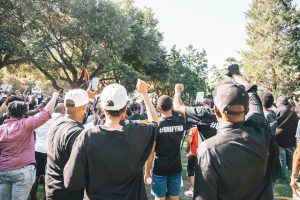
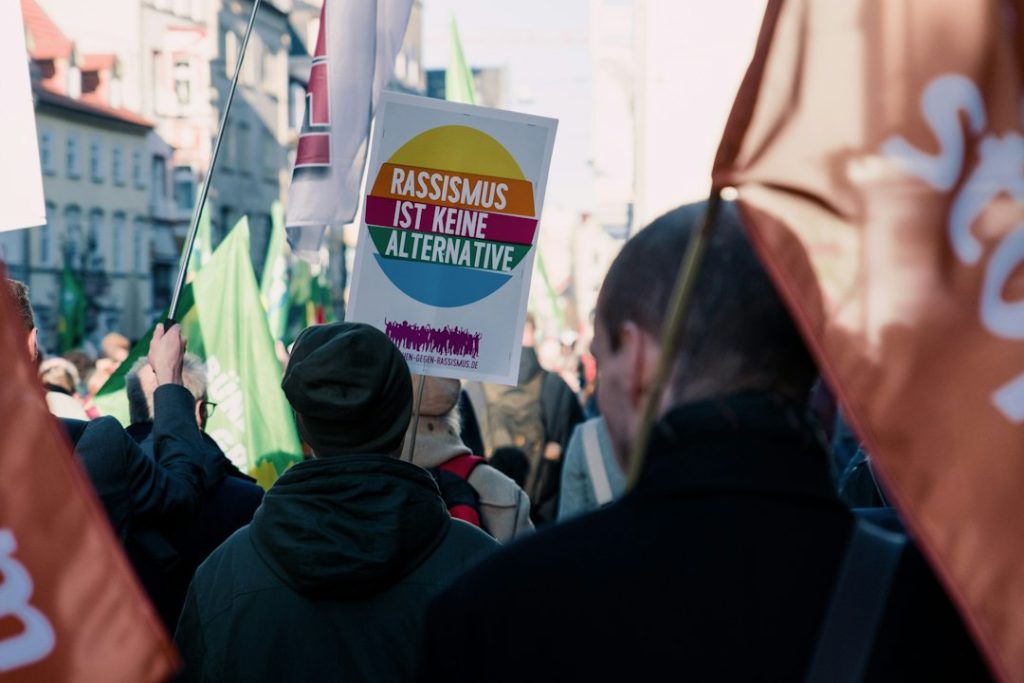
Donald Trump’s latest move against student activists should set off alarms for anyone who cares about civil liberties, public education, and the right to dissent. According to a new report from The Intercept, Trump’s team has issued an expansive subpoena to the American Federation of Teachers (AFT) seeking information about pro-Palestine students in Michigan—students allegedly connected to a vandalism case.
On its face, this might sound like a routine legal step in a local criminal matter. It isn’t. It’s part of a broader pattern: using state power to chill political speech, intimidate young people, and demonize solidarity with Palestinians. When a national political figure targets a major teachers union to dig up information on student protesters, we’re not just talking about a court document—we’re talking about a warning shot aimed at the heart of public dissent.
This matters because it tests whether students are allowed to take political positions that challenge U.S. foreign policy and entrenched power. It matters because it drags educators and their unions into a surveillance role. And it matters because, if left unchallenged, it normalizes the idea that supporting Palestinian rights is suspicious, criminal, or un-American.
—
Background: What’s Happening in Michigan?
The Intercept’s reporting describes a subpoena from Trump’s orbit directed at the AFT’s national headquarters. The subpoena reportedly seeks information related to a vandalism case involving Michigan students who participated in pro-Palestine activism.
Key elements:
– The target: The American Federation of Teachers, one of the largest teachers unions in the country, with deep ties to K–12 educators and higher education workers.
– The context: A local vandalism case in Michigan, allegedly involving pro-Palestine student activists.
– The scope: Described as “expansive,” suggesting this isn’t just about a specific incident of property damage but about broader information—likely including communications, records, or internal documents related to the students and possibly their organizing.
– The politics: Trump’s involvement is not incidental. His political brand has long relied on demonizing unions, public schools, and social movements—particularly those aligned with racial justice, immigrant rights, and solidarity with Palestinians.
Even if the legal pretext is a vandalism investigation, the scale and target of the subpoena point to something more: an effort to gather information on pro-Palestine student organizing and to pressure institutions that support them.
—
How We Got Here: Criminalizing Dissent in the Post-2024 Era
This subpoena doesn’t come out of nowhere. It sits at the intersection of several ongoing trends:
1. Escalating repression of Palestine solidarity
– Across the U.S., students and faculty who speak up for Palestinian rights have faced suspensions, doxxing, canceled job offers, and police repression.
– University administrators have called in law enforcement on peaceful encampments, and donors have demanded the punishment of outspoken students.
– State legislatures have introduced bills targeting “antisemitism” but defining it so broadly that criticism of Israel’s government gets swept in.
2. The long war on teachers unions
– Trump and the broader right have repeatedly framed teachers unions as enemies: “union bosses” who supposedly indoctrinate students with “woke” ideology.
– Conservative think tanks and dark-money groups have poured resources into attacking public education, promoting privatization, and demonizing educators who teach about racism, gender, or U.S. foreign policy.
3. Weaponizing law enforcement and legal tools
– We’ve seen intensified use of subpoenas, surveillance, and criminal charges against protesters, especially in movements like Black Lives Matter, Indigenous land defense, and climate justice.
– The message is clear: protest is tolerated only if it is harmless to power. Once it threatens the status quo, it becomes a law-and-order issue.
In this context, subpoenaing a national teachers union for information on student activists is not a neutral legal act. It’s part of a broader project to make people afraid of organizing, especially around Palestine.
—
A Progressive Analysis: What’s Really at Stake
From a progressive perspective, there are several layers to this story.
1. Students’ right to protest
Students—especially high school and college students—have been at the forefront of every major justice movement in the U.S., from civil rights to anti-war organizing to climate justice. Pro-Palestine activism today is part of that lineage.
When a powerful political figure uses legal tools to reach into a teachers union in search of information on students:
– It chills free speech: Students and teachers may self-censor, afraid that any expression of solidarity with Palestinians could land them in legal trouble.
– It reframes political dissent as criminality: Instead of treating vandalism (if it occurred) as an isolated act, the whole political context—support for Palestine—is treated as inherently suspicious.
2. Turning educators into informants
Targeting the AFT is not just symbolic; it’s strategic. Teachers unions are among the few organized forces that still consistently defend public education, workers’ rights, and democratic participation.
A subpoena that demands information about pro-Palestine students:
– Pressures unions and educators to act as extensions of the surveillance state.
– Undermines trust between students and teachers, who may fear that anything students share about their political views or organizing could be subpoenaed.
– Attempts to discipline unions themselves, sending a message: if you stand with your students or take progressive positions, you could become a legal target.
3. The racial and geopolitical dimension
Pro-Palestine activism in the U.S. is deeply intertwined with broader struggles against racism, Islamophobia, and imperialism. Many student activists are Arab, Muslim, Black, or members of other marginalized communities.
When Trump’s team targets this movement:
– It amplifies racialized policing of dissent, especially against communities already under surveillance.
– It reinforces the idea that supporting Palestinians is inherently suspect—feeding into Islamophobic and anti-Arab narratives.
– It attempts to police the boundaries of acceptable politics, saying: you can talk about “peace” in the abstract, but if you name Palestinian liberation, you’re crossing a line.
—
Why This Matters for Social Justice and Progressive Values
This case isn’t just about one subpoena or one union. It’s about whether progressive movements will allow the criminalization of solidarity to become the new normal.
Democracy and dissent
A functioning democracy requires:
– The ability to criticize the government, including its foreign policy.
– The right to organize collectively—in unions, student groups, and community organizations.
– The freedom to express solidarity across borders and communities.
When legal tools are used to intimidate students and unions for their political positions, democracy is weakened—even if no one is jailed and even if the subpoena is eventually quashed.
Public education as a democratic space
Public schools and universities should be places where young people learn to think critically, challenge power, and engage with global struggles. Progressives have long argued that:
– Education is not just about job training; it’s about forming democratic citizens.
– Teachers and students must be free to discuss controversial issues, including Israel/Palestine, without fear of retaliation.
This subpoena is a direct attack on that vision. It seeks to turn schools from spaces of critical inquiry into spaces of surveillance and control.
Intersectional justice
Progressive politics is rooted in the idea that struggles are interconnected:
– Palestinian liberation is linked to anti-racist struggles in the U.S.
– Attacks on teachers unions are tied to attacks on workers’ rights more broadly.
– Repression of student protest is connected to broader efforts to shrink civic space and empower authoritarian politics.
By targeting pro-Palestine students through a teachers union, Trump’s camp is hitting multiple fronts at once: youth movements, labor, and international solidarity.
—
What People Can Do and How to Stay Informed
This isn’t a moment for despair; it’s a moment for strategic response. Here are concrete ways people can act:
1. Support the AFT and local educators
– If you’re a union member, push your local to issue a public statement defending students’ rights to protest and opposing politically motivated subpoenas.
– If you’re a parent or community member, show up at school board meetings and support teachers who refuse to criminalize their students.
2. Defend students’ rights
– Encourage or join student-led organizations that defend civil liberties and Palestine solidarity.
– Connect with civil rights groups (like the ACLU, Palestine Legal, or local legal collectives) that can offer legal support and know-your-rights trainings for students.
3. Push back on criminalization narratives
– When vandalism or property damage is used as a pretext to criminalize entire movements, challenge the narrative. Insist on proportionality and context.
– Support media outlets and journalists who cover these stories with nuance instead of sensationalism.
4. Build broader coalitions
– Progressive movements—labor, racial justice, climate, immigrant rights—should treat attacks on pro-Palestine students as everyone’s issue, not a niche concern.
– Use this moment to deepen ties between unions and student groups, recognizing that an injury to one movement is an injury to all.
5. Stay informed and share credible reporting
The Intercept’s original reporting is essential to understanding what’s happening and why it matters. Read it, share it, and use it as a basis for discussion in your communities, classrooms, and organizing spaces.
You can read the full article here:
https://theintercept.com/2026/11/13/subpoena-union-palestine-protest-michigan/
Relacionado
Discover more from Fyra - Dating App for Progressives
Subscribe to get the latest posts sent to your email.