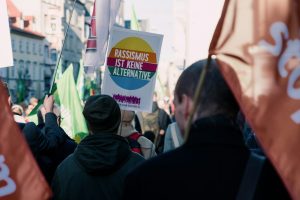

In a year marked by climate urgency, attacks on democratic norms, and widening inequality, it’s easy to feel overwhelmed and isolated. But across the country, people are coming together in their neighborhoods, towns, and cities to build something different: communities rooted in justice, care, and collective power.
Progressive community events and organizations are more than just meetings and rallies—they’re spaces to learn, connect, and take action together. Whether you’re brand-new to activism or a seasoned organizer, there are ways to get involved that fit your interests, capacity, and comfort level.
Below is a practical guide to finding your place in local progressive work—online and offline, low-commitment and deeply involved—so you can help build the kind of world you want to live in.
—
Why Community-Based Activism Matters
Individual actions matter, but systemic problems require collective solutions. Community organizing:
– Builds power: When people act together, they can influence policy, shift narratives, and hold institutions accountable.
– Creates belonging: Progressive spaces can be a refuge from isolation and cynicism, offering connection and mutual support.
– Shares skills and knowledge: Organizing teaches communication, strategy, conflict resolution, and leadership—skills that benefit every part of life.
– Makes change sustainable: Movements last when they are rooted in relationships, not just headlines.
If you care about climate justice, racial equity, LGBTQ+ rights, workers’ rights, disability justice, immigrant rights, reproductive freedom, or housing justice, there is a local or regional group working on these issues right now—and they need you.
—
Types of Progressive Community Events
1. Educational Events & Political Education
These are great entry points if you’re still learning about issues or want to deepen your understanding.
– Workshops and teach-ins: Sessions on topics like “Tenant Rights 101,” “Mutual Aid Basics,” “Understanding Police Abolition,” or “Climate Justice and Indigenous Sovereignty.”
– Reading groups or study circles: Small groups that meet regularly to discuss books, articles, or podcasts on progressive politics and history.
– Film screenings and panels: Documentaries followed by discussions with organizers, scholars, or community leaders.
How to find them:
– Check local progressive organizations’ websites and social media.
– Search Eventbrite or Meetup for keywords like “social justice,” “climate justice,” “racial equity,” “mutual aid,” “progressive politics.”
– Look at calendars for independent bookstores, community centers, and public libraries.
Commitment level: Usually low; you can attend one event or keep coming back.
—
2. Direct Action & Public Demonstrations
These events show public support, apply pressure, and build visibility around issues.
– Rallies, marches, and vigils: For voting rights, climate justice, ceasefires, reproductive rights, or against local injustices.
– Sit-ins, pickets, and protests: Outside government buildings, corporate offices, or schools.
– Visibility actions: Banner drops, art installations, street theater, or chalking campaigns.
How to find them:
– Follow local chapters of national groups (e.g., Sunrise Movement, Black Lives Matter chapters, Planned Parenthood affiliates, ACLU state chapters).
– Check social media tags like #YourCityName + “protest,” “rally,” or the issue you care about.
– Sign up for email lists from community organizations; they often send action alerts.
Commitment level: Medium; you can show up occasionally or more regularly. Some actions require training or legal briefings, which organizations will provide.
—
3. Mutual Aid & Community Care
Mutual aid is about neighbors supporting neighbors, sharing resources, and meeting needs collectively—especially where institutions fail.
Examples:
– Community fridges and pantries: Stocking, cleaning, or organizing food distribution.
– Ride shares and childcare support: Helping people get to medical appointments, court dates, or protests; providing childcare during meetings.
– Emergency funds and resource sharing: Helping raise and distribute funds for rent, medical bills, or legal fees.
How to find them:
– Search “[your city] mutual aid,” “[your city] community fridge,” or “[your city] food justice” online.
– Look for local groups on Instagram or Facebook; many mutual aid projects organize there.
– Ask at local tenants’ unions, immigrant rights groups, or faith communities if they know of mutual aid efforts.
Commitment level: Flexible; you can donate money or supplies occasionally, or take on a regular volunteer shift.
—
4. Electoral & Policy Work
Progressive change also happens through elections and policy advocacy.
Activities:
– Voter registration drives and voter education.
– Door-knocking and phone banking for progressive candidates or ballot measures.
– Attending city council, school board, and county meetings to give public comment.
– Policy campaigns around issues like affordable housing, police budgets, climate plans, or labor protections.
How to find them:
– Connect with local chapters of groups like Indivisible, Democratic Socialists of America, Working Families Party, or local progressive caucuses.
– Visit your city or county government website; many post agendas and opportunities for public comment.
– Look up local advocacy organizations focused on specific issues (e.g., tenants’ rights groups, environmental justice organizations, disability rights coalitions).
Commitment level: Can be low (a few phone calls) or high (ongoing campaign work). Many organizations welcome people who can only help occasionally.
—
5. Skill-Sharing, Arts, and Culture Events
Progressive movements need creativity, storytelling, and cultural work.
Examples:
– Zine-making or poster-making sessions for campaigns.
– Community art builds to create banners, signs, and installations.
– Open mics, poetry nights, and storytelling events centered on justice, identity, and resistance.
– Skill-shares on digital security, media production, facilitation, or conflict resolution.
How to find them:
– Check community arts centers, radical bookstores, and grassroots organizations.
– Search for “[your city] art build,” “[your city] social justice arts,” or “[your city] activist open mic.”
– Follow local artists and art collectives working on social justice themes.
Commitment level: Usually low; you can attend one event or help organize ongoing cultural work.
—
Ways to Get Involved (Online and Offline)
Low-Commitment Options
If you’re busy, anxious about new spaces, or just starting out:
– Subscribe to newsletters from a few organizations and read their updates.
– Attend one introductory meeting or event per month.
– Amplify campaigns online: Share posts, sign petitions, and help spread information from trusted organizations.
– Donate even small amounts to local groups, mutual aid projects, and bail funds.
– Fill out interest forms with organizations; many will match your skills (e.g., translation, graphic design, data entry, childcare) with needs.
Medium-Commitment Options
If you can offer a few hours a month:
– Join a working group or committee within an organization (e.g., communications, outreach, logistics).
– Volunteer regularly at a mutual aid project or community center.
– Help with one campaign: canvassing for a ballot measure, supporting a union drive, or organizing a specific event.
– Host a house meeting or online gathering to introduce friends and neighbors to a local cause.
High-Commitment Options
If you’re ready to dive deeper:
– Become a member of a progressive organization and attend regular meetings.
– Take on leadership roles: facilitate meetings, coordinate volunteers, or help design strategy.
– Organize your workplace, school, or building: start a union drive, a tenants’ association, or a student group.
– Join coalitions that connect multiple organizations across issues, helping build broader movement infrastructure.
—
How to Find Local Progressive Groups
You don’t need to already know people in the movement to get started. Try:
1. Search by issue + location
Use phrases like:
– “[your city] climate justice organization”
– “[your city] tenants union”
– “[your city] racial justice collective”
– “[your city] LGBTQ+ center”
– “[your city] immigrant rights group”
– “[your city] reproductive justice”
2. Check community hubs
– Public libraries often host or list events.
– Independent bookstores and cafes frequently post flyers.
– University and college campuses have student orgs that connect with community groups.
3. Explore national networks with local chapters
Look up:
– Sunrise Movement, 350.org, Extinction Rebellion (climate)
– Democratic Socialists of America, Indivisible, Working Families Party (political/electoral)
– NAACP chapters, Black Lives Matter chapters, Color of Change local partners (racial justice)
– Planned Parenthood affiliates, NARAL partners, abortion funds (reproductive rights)
– Local labor councils, worker centers, and unions (labor and economic justice)
4. Use social media intentionally
– Search hashtags with your city name and issues (e.g., #PhillyJustice, #AustinMutualAid).
– Follow local journalists and organizers; they often share event info.
– Join city-specific Facebook groups or Discord servers focused on social justice.
5. Ask around
– Talk to friends, coworkers, classmates, or neighbors.
– Ask at places of worship (many have social justice committees).
– Reach out to one organization and ask, “Who else should I be connected to?”
—
Showing Up as an Inclusive, Respectful Participant
Progressive spaces aim to be inclusive, but they’re also shaped by real histories of harm and exclusion. You can help build healthier community norms by:
– Listening more than you speak at first, especially if you’re new or hold more privilege.
– Respecting lived experience and deferring to those most impacted by the issues.
– Being reliable: follow through on commitments, or communicate early if you can’t.
– Welcoming newcomers once you’re more comfortable—remember how it felt to be new.
– Being open to feedback and learning; we all make mistakes, and growth is part of the work.
—
You Don’t Have to Do Everything—Just Something
No one can attend every meeting, join every campaign, or care for every issue at once. Movements are ecosystems: we need researchers and artists, strategists and caregivers, loud voices and quiet organizers, online amplifiers and in-person volunteers.
Pick one or two areas that matter deeply to you. Find one local group and one concrete way to plug in. Maybe that’s:
– Attending a tenants’ rights workshop.
– Volunteering once a month at a community fridge.
– Phone banking for a candidate who supports climate and racial justice.
– Joining a study group to understand abolition or socialism.
– Helping design flyers for a mutual aid project.
The problems we face in 2026 are serious, but so is our collective capacity to respond. When we show up for each other—consistently, imperfectly, and with care—we build more than campaigns. We build communities capable of transforming the conditions we live in.
If you’re wondering where to start, start small, start local, and start with others. The most powerful changes often begin with a simple decision: “I’m going to show up.”
Photo by Samantha Gades on Unsplash
Relacionado
Discover more from Fyra - Dating App for Progressives
Subscribe to get the latest posts sent to your email.