Lake America? Why Trump’s Latest Executive Order Is About More Than Just a Name
——————————————————————————-
When a president orders tens of millions of people to start calling a shared international body of water “Lake America,” it might sound like satire—or a distraction from more serious issues. But Donald Trump’s executive order renaming Lake Ontario to “Lake America” is neither harmless nor trivial. It’s a window into his worldview: nationalism over cooperation, branding over substance, and performative power plays over real solutions.
This matters because language shapes politics. Names carry history, sovereignty, and identity. When a U.S. president unilaterally tries to erase a shared name tied to Indigenous roots and international agreements, he’s not just playing with words. He’s attacking the idea of shared stewardship, undermining diplomacy, and reinforcing a worldview where the United States dominates rather than collaborates.
And he’s doing it in the middle of a collapsed trade deal with Canada, escalating tensions with one of America’s closest partners at a moment when cross-border cooperation is desperately needed—for climate, for democracy, and for basic economic stability.
—
Background: What Happened and Why Now?
According to Mother Jones, President Trump issued an executive order on Thursday titled “Make the Great Lakes Even Greater.” The order directs federal agencies to adopt the name “Lake America” for Lake Ontario in all official communications and maps, and encourages Americans to do the same. This follows a breakdown in trade negotiations with Canada and a new round of tariffs, adding fuel to a growing diplomatic fire.
Some key facts:
– Lake Ontario is a shared lake between the United States and Canada, bordered by New York on the U.S. side and Ontario province in Canada.
– The name “Ontario” is Indigenous in origin, likely from the Huron or Iroquoian languages, commonly translated as “great lake” or “beautiful lake.”
– The Great Lakes are governed by decades of binational agreements—including the Boundary Waters Treaty (1909) and subsequent environmental accords—designed to manage water quality, shipping, fisheries, and resource use collaboratively.
– Trump’s order is symbolic but not trivial: while the U.S. can change domestic usage and federal maps, it cannot unilaterally alter international naming conventions or Canada’s usage. Still, the move sends a message of disregard for shared governance and Indigenous naming.
This stunt comes amid:
– A collapsed trade deal between the U.S. and Canada, reportedly over tariffs on steel, aluminum, and agricultural products, and disputes about digital trade and environmental standards.
– Rising economic tensions, with both countries imposing retaliatory tariffs that will hit workers, farmers, and consumers on both sides of the border.
– A broader pattern of Trump using symbolic nationalist gestures—renaming, flag-waving, and rhetorical attacks—to rally his base and distract from policy failures.
—
Progressive Analysis: Nationalist Branding Over Real Solutions
From a progressive perspective, this executive order is a textbook example of Trump’s politics: superficial, divisive, and rooted in a myth of American dominance that ignores history, community, and shared responsibility.
1. A Manufactured Culture War
Renaming Lake Ontario to “Lake America” is not about improving the Great Lakes. It’s about creating a culture-war flashpoint.
Trump’s move:
– Frames Canada as an adversary, not a partner, encouraging Americans to see international cooperation as weakness.
– Feeds a narrative of ownership, as if the U.S. can simply claim a shared resource by rebranding it.
– Rallies his base around the idea that he is “standing up for America,” even though the order does nothing to address real issues like polluted water, climate impacts, or economic inequality.
Instead of tackling toxic algal blooms, crumbling water infrastructure, or the climate-driven threats to Great Lakes ecosystems, Trump offers a name change and a slogan: “Make the Great Lakes Even Greater.” It’s marketing where governance should be.
2. Erasing Indigenous History and Presence
The name “Ontario” is part of a long Indigenous history in the Great Lakes region. Renaming the lake “Lake America” is not just a nationalist gesture—it’s an act of erasure.
Progressives have long argued that:
– Language reflects power: whose names are recognized, whose stories are told, whose claims to land and water are respected.
– The Great Lakes region is home to numerous Indigenous nations whose treaties and rights have been systematically violated.
– Efforts to rename places without respect for Indigenous names and history deepen colonial patterns of dispossession and cultural erasure.
Trump’s order ignores this entirely. It replaces an Indigenous-derived name with a generic nationalist brand, reinforcing the idea that American identity is white, settler, and dominant—and that Indigenous presence can be overwritten by presidential decree.
3. Undermining International Cooperation
The Great Lakes are a textbook case of why international cooperation matters. They:
– Provide drinking water for tens of millions of people.
– Support major economic activity—shipping, fishing, tourism, and manufacturing.
– Require joint management to handle pollution, invasive species, water levels, and climate impacts.
The U.S. and Canada have spent decades building a framework for shared governance of these waters. Trump’s unilateral renaming is a symbolic breach of that cooperative spirit.
From a progressive lens, this matters because:
– Climate change and environmental justice are inherently transnational. You cannot solve water pollution or climate-driven flooding within one country’s borders alone.
– Strong binational and multilateral institutions are essential to protect shared resources.
– Trump’s move signals that he values short-term political theatrics over long-term collaboration, making it harder to build the trust needed for serious environmental work.
—
Why This Matters for Social Justice and Progressive Values
At first glance, changing a lake’s name might seem like a small thing compared to attacks on voting rights, reproductive freedom, or labor protections. But it’s connected to the same underlying logic: power without accountability, nationalism without justice, and spectacle over substance.
1. Environmental Justice and Water Rights
The Great Lakes are central to environmental justice. Communities around Lake Ontario—particularly low-income neighborhoods and Indigenous communities—are disproportionately affected by:
– Industrial pollution
– Aging water infrastructure
– Climate-driven flooding and extreme weather
Progressive values demand:
– Equitable access to clean water
– Community-centered decision-making
– Accountability for corporate polluters
Trump’s order does nothing for these communities. Instead, it uses the lakes as a backdrop for nationalist branding, while his broader policies weaken environmental protections, empower polluters, and ignore the needs of marginalized communities.
2. Anti-Colonial and Indigenous Rights
Renaming Lake Ontario to “Lake America” fits into a longer history of colonial renaming: erasing Indigenous names, languages, and relationships to land and water.
Progressive movements are fighting for:
– Recognition of Indigenous sovereignty and treaty rights
– Restoration of Indigenous place names
– Inclusion of Indigenous leadership in environmental governance
Trump’s order pushes in the opposite direction. It asserts a unilateral American claim over a shared, historically Indigenous-named lake, reinforcing a narrative where Indigenous presence is invisible and colonial naming is normal.
3. Democracy, Diplomacy, and Global Solidarity
Finally, this story is about the kind of world we want to live in: one where nations cooperate to solve shared problems, or one where leaders use symbolic power to stoke division.
Progressives believe:
– Democracy is stronger when it’s connected to global solidarity, not isolation.
– Diplomacy matters—especially with neighbors like Canada who share ecosystems, economies, and values.
– National pride doesn’t require domination; it can be rooted in fairness, humility, and cooperation.
Trump’s “Lake America” order embodies a different vision: a zero-sum nationalism where America’s greatness is defined by its ability to rename, rebrand, and reassert dominance—even over a lake.
—
What People Can Do—and How to Stay Informed
You can’t stop an executive order by refusing to say “Lake America,” but you can help shift the conversation and build power for a different kind of politics.
Here are some practical steps:
1. Use and Defend the Original Name
– Keep saying “Lake Ontario”—and talk about why the name matters.
– Share the Indigenous origins of the name and the history of the region.
– Push back when media or officials adopt “Lake America” uncritically; language choices are political.
2. Support Indigenous and Environmental Organizations
Look for and support groups working on Great Lakes issues and Indigenous rights, such as:
– Indigenous nations and councils around the Great Lakes
– Environmental justice organizations focused on water rights and pollution
– Cross-border coalitions that defend shared ecosystems
Donations, volunteering, and amplifying their work all help build the power needed to resist symbolic and substantive attacks.
3. Stay Engaged on U.S.–Canada Relations
Trade disputes and diplomatic tensions can feel abstract, but they have real consequences for workers, communities, and ecosystems.
– Follow trusted progressive outlets covering U.S.–Canada relations, trade policy, and environmental agreements.
– Pay attention to how trade and diplomacy are framed: are they about corporate profits, or about workers, communities, and the planet?
4. Organize Locally Around Water and Climate
Even if you don’t live near Lake Ontario, you live near water—and climate change is reshaping every region.
– Join or start local campaigns for clean water, climate resilience, and environmental justice.
– Connect local fights (for safe drinking water, against polluters) to national stories like this one. They’re part of the same struggle over who controls resources and whose lives are valued.
—
Trump’s attempt to rename Lake Ontario “Lake America” is more than a strange headline. It’s a reminder that the fight over language is a fight over power, history, and the future of shared resources. Progressives have a different vision: one where lakes are not branding opportunities but living ecosystems, where names honor history and community, and where borders are sites of cooperation, not conflict.
You can read the full Mother Jones report here:
https://www.motherjones.com/politics/2026/08/trump-lake-america-ontario-executive-order-canada-tariffs/
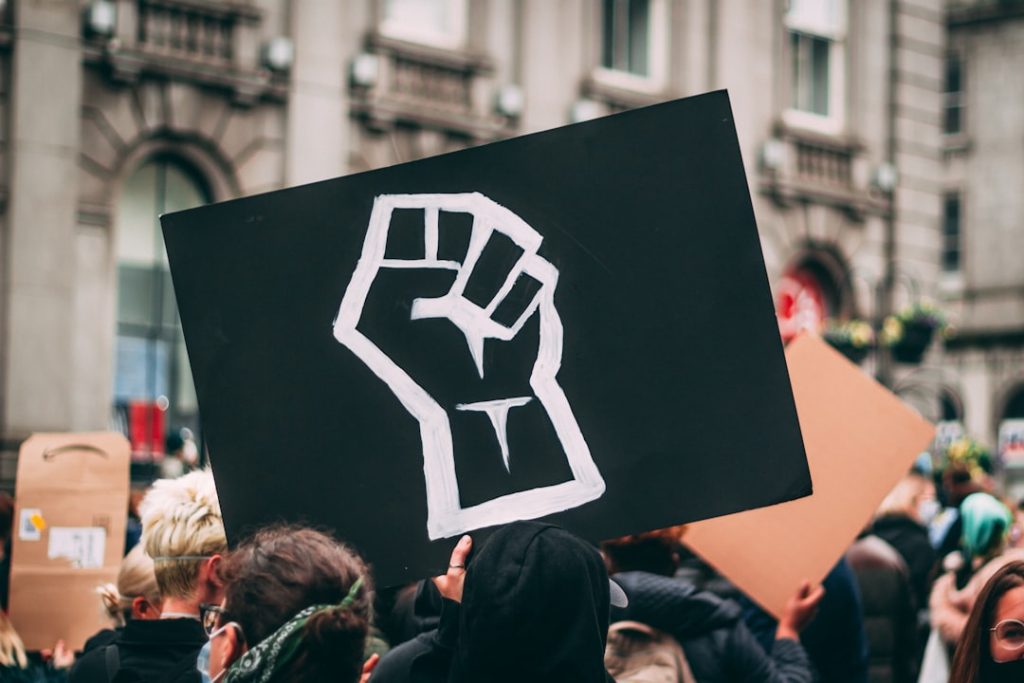
Photo by Chris Sansbury on Unsplash
Relacionado
Discover more from Fyra - Dating App for Progressives
Subscribe to get the latest posts sent to your email.