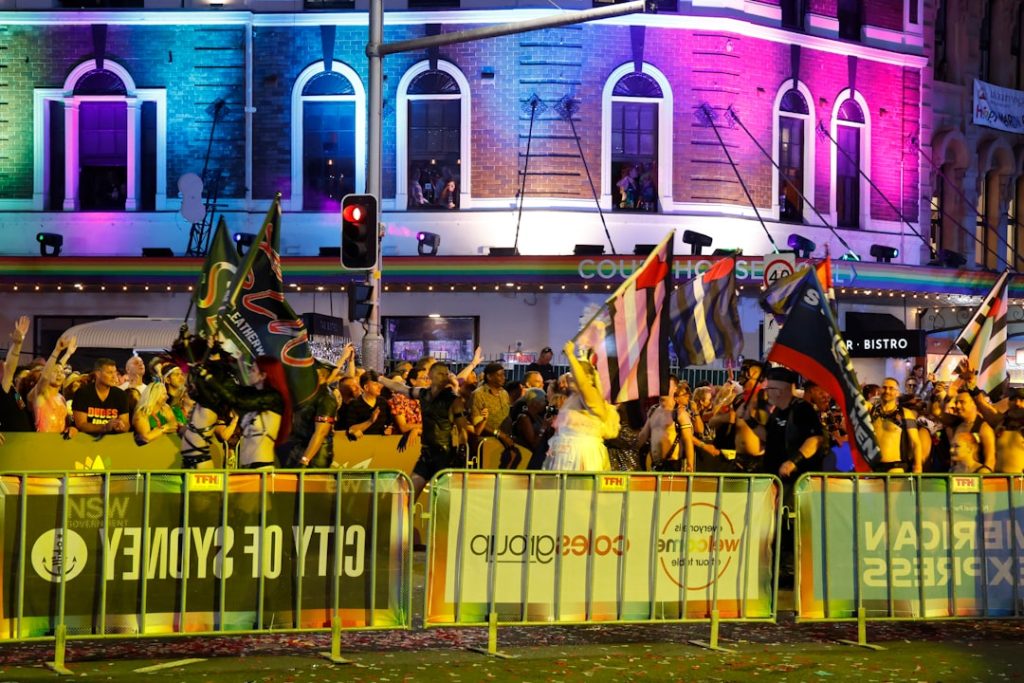
Dating in a Time of Social Justice: Why Your Values Matter
Dating has never been just about chemistry. For many people today, it’s also about politics, ethics, and whether you see the world in compatible ways. Social justice isn’t a “bonus” value anymore; it’s a core part of how we decide who we spend our time, energy, and love with.
That doesn’t mean you have to agree on every single issue to date someone. It does mean that how you understand power, privilege, and harm—and how you respond when you get it wrong—shapes the health and future of your relationships. Social justice values don’t kill romance; they can deepen it, making dating more honest, more accountable, and more humane.
How Social Justice Shows Up in Dating
Social justice is about recognizing systemic inequality and working toward collective liberation. In dating, that translates into how we:
- Talk about race, gender, sexuality, disability, class, and other identities
- Navigate safety, boundaries, and consent
- Share emotional and financial labor
- Respond when someone tells us we’ve caused harm
Consider a few everyday examples:
- Profile choices: Writing “no drama,” “no fatties,” “no trans people,” “must be fit,” or “no politics” isn’t neutral. It sends a message about whose humanity you’re willing to engage with and whose you’re dismissing. Even “no politics” can be read as “I’m not willing to talk about things that impact your safety and rights.”
- First-date conversations: When someone mentions attending a protest, using they/them pronouns, or navigating life as a disabled person, how you respond shows whether you see their experiences as “too much” or as a meaningful part of who they are.
- Dealbreakers: For some, dating someone who denies systemic racism, is hostile to trans people, or mocks pronouns is simply not an option. That’s not “being picky”; it’s about safety, dignity, and emotional sustainability.
Social justice doesn’t mean turning dates into political debates. It means recognizing that your date’s lived realities—how safe they feel in public, whether they’re misgendered at work, whether they can walk into a restaurant without worrying about accessibility—are not “side topics.” They’re central to who they are.
Intersectionality: No One Dates in a Vacuum
Intersectionality, a term coined by legal scholar Kimberlé Crenshaw, describes how different forms of oppression—like racism, sexism, ableism, homophobia, and classism—intersect and shape people’s lives in complex ways. In dating, intersectionality matters because people don’t show up as just one identity at a time.
A Black trans woman, a disabled queer man, a nonbinary immigrant, or a low-income single parent of color all navigate dating differently than someone who is white, cisgender, straight, able-bodied, and financially secure. Their risks, needs, and boundaries are shaped by overlapping systems of power.
Some intersectional realities in dating:
- Safety planning: A queer couple in a conservative area might carefully choose where they show affection in public. A Muslim woman who wears hijab may factor Islamophobic harassment into decisions about where to meet. A disabled person may need to ask about accessibility without being made to feel like a burden.
- Emotional labor: A Black partner may be exhausted from constantly explaining racism to a white partner, especially during high-profile instances of racial violence. A trans partner may be tired of being the “gender studies teacher” in the relationship.
- Family dynamics: A bi person dating someone of a different gender might be misread as straight by their partner’s family and pressured to “tone down” their queerness. A partner from a working-class background might feel judged or out of place around a wealthier partner’s friends.
Approaching dating intersectionally means:
- Asking yourself: “What identities do I hold, and how do they shape the power I have in this relationship?”
- Listening when your partner describes experiences you don’t share, without centering your own discomfort or guilt.
- Recognizing that what feels like a “small comment” to you might carry years of history for them.
Privilege, Accountability, and Being a Better Ally in Love
Privilege doesn’t mean your life is easy; it means there are certain barriers you don’t face because of how society reads your identity. In dating, privilege can show up as whose needs get prioritized, whose pain gets taken seriously, and who feels safe enough to be vulnerable.
Common forms of privilege that shape relationships include whiteness, cisgender identity, straightness, being non-disabled, citizenship, financial security, thinness, and more. You can’t get rid of your privilege, but you can be accountable for how you use it.
Being a good ally in dating looks like:
- Doing your own homework: If you’re dating a trans person, a person of color, or a disabled person, don’t rely on them as your only source of education. Read books, follow creators from their communities, and learn the basics so your partner isn’t constantly starting from zero.
- Believing them about their experiences: When your partner says they experienced racism at a restaurant, or that a joke your friend made was ableist, your first response shouldn’t be “Are you sure?” or “They didn’t mean it.” Believe them, then ask how you can support them.
- Taking criticism without collapsing: If your partner says, “Hey, that comment was sexist,” resist the urge to defend yourself. Try: “Thank you for telling me. I’m sorry I said that, and I’ll do better.” Accountability is more attractive than perfection.
- Using your privilege strategically: That might mean backing up your partner in a group setting, redirecting a conversation when someone is being invasive about their identity, or declining to attend events where their safety or dignity won’t be respected.
Accountability is not about shame; it’s about growth. You will get it wrong sometimes. Everyone does. The question is what you do next. Are you willing to repair harm, change your behavior, and keep learning? In a socially conscious dating culture, that willingness is a key measure of compatibility.
Practical Ways to Align Your Dating Life with Your Values
If you care about social justice, you can bring those values into how you date—online and offline. That doesn’t mean you need to turn your profile into a manifesto, but it does mean being intentional.
1. Be honest in your profile.
- Include a line about what matters to you: “Mutual respect, consent, and justice are non-negotiable for me,” or “Queer, anti-racist, pro-choice, and looking for people who share similar values.”
- Avoid dehumanizing language like “no fatties,” “no fems,” “no Blacks/Asians,” “real women only,” or “must be ‘normal’.” If you catch yourself writing something like that, pause and ask where it’s coming from—and whether you’re confusing prejudice with “preference.”
2. Ask better questions on dates.
- Instead of “Are you into politics?” try “What issues do you care about?” or “How do your values show up in your day-to-day life?”
- If you’re curious about someone’s identity, ask if they’re open to sharing, and accept “no” gracefully. For example: “If you ever feel comfortable talking about your experience as a disabled person, I’d like to listen—but no pressure at all.”
3. Practice consent and boundary-respect as a political value.
- Consent isn’t just about sex; it’s about photos, social media tags, meeting friends, and sharing personal stories. Ask first, and accept “no” without negotiation.
- Recognize that some people—especially those who’ve faced harassment or violence—may need more time to trust you. That’s not “being difficult”; it’s survival.
4. Share labor more fairly.
- Emotional labor often falls unevenly along gender, race, and class lines. Notice if one person is always planning dates, checking in, or managing conflict.
- Offer to take on tasks: “I’ll plan the next date,” “I’ll look up accessible venues,” or “I’ll talk to my friend about that comment they made.”
5. Know your dealbreakers—and your growth edges.
- It’s okay to say, “I won’t date someone who denies trans people’s rights,” or “I can’t be with someone who mocks pronouns or disability.” Those boundaries protect you and your communities.
- At the same time, notice where you might grow. Maybe you’ve never thought deeply about fatphobia, or you’re new to understanding ableism. Be honest about that and open about your commitment to learn.
Holding Complexity: Love, Disagreement, and Imperfect People
Social justice and dating are messy because people are messy. You might deeply care about justice and still have internalized biases. You might date someone who shares your politics on paper but struggles with emotional maturity. You might fall for someone who’s still early in their learning and trying to catch up.
A few reminders for navigating that complexity:
- Values are lived, not just stated. Someone can say “Black Lives Matter” and still talk over you, ignore your boundaries, or dismiss your experiences. Pay attention to patterns, not slogans.
- Growth is possible—but not guaranteed. If someone is open to feedback, willing to change, and doesn’t make their learning your job, that can be workable. If they’re defensive, mocking, or hostile, it’s okay to walk away.
- You’re allowed to want joy, not just politics. Social justice values should support your well-being, not justify staying in relationships that drain you. You deserve laughter, attraction, and ease alongside shared commitments.
Dating through a social justice lens doesn’t mean you’ll never be hurt, misunderstood, or disappointed. It does mean you’re choosing to build relationships where everyone’s humanity is taken seriously—and where love isn’t just a feeling, but a practice of care, accountability, and solidarity.
In a world that often treats people as disposable, dating with social justice in mind is a way of saying: you are not disposable. Neither am I. And that’s a powerful foundation to build anything on, whether it’s a single date or a long-term partnership.
Stay Connected with Flamr
Don’t forget to follow Flamr on social media!
Relacionado
Discover more from Fyra - Dating App for Progressives
Subscribe to get the latest posts sent to your email.