Why Progressive Community Events Matter for Your Love Life (and Your City)
Swipe culture can make dating feel like a solo sport, but progressive movements have always been about connection—organizing, listening, and showing up together. Getting involved in community events isn’t just good for the world; it’s also one of the most authentic ways to meet people who share your values.
Whether you’re passionate about climate justice, LGBTQ+ rights, racial equity, disability justice, reproductive freedom, or mutual aid, there’s a space for you. And you don’t need to be an “experienced activist” to join in. This guide walks through types of progressive events, how to find them, and how to show up as a first-timer—online or in person.
Types of Progressive Community Events You Can Join
Progressive community spaces are more than marches and megaphones. They’re book clubs, potlucks, teach-ins, art builds, and neighborhood cleanups. Here are some common types of events you might find:
- Issue-Based Organizing Meetings
These are regular gatherings focused on a specific cause—like housing justice, climate action, trans rights, or labor organizing. They might involve planning campaigns, brainstorming actions, or debriefing recent wins and challenges.
- Workshops, Trainings, and Teach-Ins
Think “skill-building meets social justice.” Examples include bystander intervention trainings, anti-racism workshops, consent and healthy relationship discussions, or sessions on how to talk to elected officials. These are great entry points if you want to learn before you leap into action.
- Mutual Aid and Volunteer Events
Mutual aid is about communities taking care of each other—on purpose and with solidarity. Events might include packing grocery boxes, delivering meds, staffing a community fridge, tutoring youth, or organizing clothing and supply swaps.
- Rallies, Marches, and Direct Actions
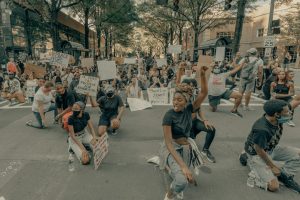
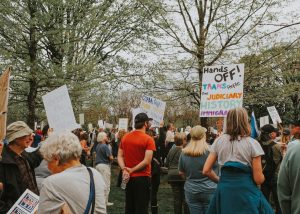
Public demonstrations can be powerful and energizing. They might focus on climate justice, police accountability, reproductive rights, disability justice, or immigrant rights. Roles range from marching and holding signs to providing water, legal observing, or social media support.
- Social and Cultural Events with a Political Heart
These are the cozy, low-pressure spaces where connection thrives. Examples include queer mixers, progressive trivia nights, film screenings with discussion, open mics, drag shows, art builds, community dinners, and book clubs centered on justice-oriented reads.
- Online Panels, Town Halls, and Community Chats
Virtual events make it easier to join from anywhere and can be more accessible. You’ll find webinars on topics like prison abolition, disability justice, digital security, or organizing in your workplace—often with chat-based Q&A and breakout rooms for small-group connection.
Each of these spaces can be a place to meet new people—friends, collaborators, or potential partners—who share your values, not just your taste in memes.
How to Find Progressive Events Near You (and Online)
Finding your people gets easier once you know where to look. Try mixing broad platforms with more local, grassroots sources.
- Event Platforms
- Meetup: Search for groups using keywords like “LGBTQ+,” “social justice,” “climate action,” “mutual aid,” “feminist,” “abolitionist,” or “progressive politics.” Many groups host both social and organizing events.
- Eventbrite: Filter by location and interests such as “activism,” “community,” “DEI,” “climate,” or “human rights.” You’ll find everything from rallies to film screenings to workshops.
- Facebook Events: Use the Events tab to search by topic and location. Follow local organizations and see what they’re hosting or co-hosting.
- Local Organizations and Community Spaces
- Grassroots orgs: Many cities have local chapters of national groups (for example, climate justice networks, reproductive rights orgs, or voter outreach groups). Check their websites or social media for calendars and volunteer sign-ups.
- Community centers: LGBTQ+ centers, cultural centers, and neighborhood hubs often host support groups, discussion circles, and social events with a progressive lens.
- Libraries and independent bookstores: Look for author talks, book clubs, zine fairs, and community forums. These spaces often partner with local organizers.
- Campus groups: If you’re near a college or university, check student org listings and public event calendars for talks, teach-ins, and solidarity events open to the community.
- Social Media and Online Communities
- Instagram and TikTok: Many mutual aid networks and activist collectives organize primarily through social media. Search hashtags related to your city and interests (for example, #YourCityMutualAid, #YourCityQueer, #YourCityClimate).
- Discord and Slack communities: Some progressive orgs host ongoing online spaces where they share event info and action alerts.
- Subreddits and local forums: City-specific or issue-specific subreddits often share event info, from protests to park cleanups.
- Word of Mouth
- Ask friends, coworkers, or classmates who share your politics where they show up.
- If you’re using a progressive dating app, mention in your profile that you’re interested in community events—people may suggest groups or invite you along.
Try choosing one or two recurring events to attend regularly. Showing up consistently is how you move from “new face” to “part of the community.”
Community Building: More Than “Networking”
Progressive spaces aren’t just about passing policies or signing petitions; they’re about building relationships that can weather tough times. Community building matters because it:
- Combats isolation: Many people exploring their identity, politics, or values feel alone—especially if their family or workplace isn’t affirming. Community events create spaces where you don’t have to explain why you care; people already get it.
- Builds collective power: One person emailing an official is important. A hundred people who know each other, trust each other, and can mobilize together? That’s transformative.
- Nurtures care and accountability: Progressive spaces can model consent culture, restorative practices, accessibility, and mutual support in real time. You learn how to show up for others—and how to let others show up for you.
- Supports authentic connections: In a community setting, you see how people treat others, how they handle disagreement, how they listen. That’s a deeper compatibility check than a profile prompt.
Whether you’re looking for romance, friendship, or a sense of belonging, community building is a long game that pays off in emotional resilience, shared joy, and real-world impact.
Tips for First-Timers: Showing Up With Confidence and Care
Walking into a new space—especially one that feels politically or emotionally important—can be intimidating. Here are ways to make that first step easier, for both in-person and online events.
- Start with low-pressure events
- Social events (mixers, potlucks, film nights) and educational spaces (book clubs, trainings) can feel more approachable than a high-energy protest or strategy meeting.
- Look for events labeled “intro,” “101,” “new member,” or “orientation.” These are designed for people who are just getting involved.
- Check accessibility and safety details
- For in-person events, look for info on wheelchair access, ASL interpretation, mask policies, scent-free guidelines, and public transit options. If it’s not listed, it’s okay to email or message the organizers and ask.
- For online events, check whether captions are provided, if materials will be sent ahead of time, and whether cameras are optional.
- Bring a buddy (or meet one there)
- If you’re nervous, invite a friend, date, or someone you’ve been chatting with who shares your values.
- If you’re going solo, look for “buddy systems” or “welcome teams.” Many groups have volunteers dedicated to greeting newcomers.
- Introduce yourself at your own pace
- You don’t have to share your whole life story. A simple “Hi, I’m new and I’m excited to get involved” is enough.
- If there’s a check-in round, share what you’re comfortable with: your name, pronouns (if you want), and what brought you there.
- Respect boundaries and practice consent
- Ask before taking photos or tagging people on social media, especially at protests or sensitive events.
- In social settings, be mindful of personal space and emotional bandwidth. Not everyone is there to date, even if you’re on a dating journey yourself.
- Follow up and stay connected
- Before you leave, ask how to stay in the loop: email list, group chat, Discord, or next meeting date.
- If you met someone you’d like to see again—platonically or romantically—ask if they’d like to connect on social or attend another event together.
Remember: you don’t need to be an expert, have the “perfect” politics, or know all the terminology to show up. Curiosity, humility, and a willingness to learn go a long way.
Blending Online and In-Person Involvement
Hybrid engagement is the new normal, and that’s a good thing. It makes participation more accessible and more sustainable.
- Online involvement can look like:
- Joining virtual town halls, panels, and trainings.
- Participating in online campaigns (email and phone banking, text banking, social media organizing).
- Hanging out in digital communities (Discord servers, group chats, online reading groups).
- In-person involvement can look like:
- Attending local meetings, art builds, and community dinners.
- Showing up for mutual aid shifts, canvassing, or voter registration drives.
- Joining marches, vigils, and other public actions when that feels right and safe for you.
Many people alternate between online and offline depending on capacity, health, and comfort. Both are valid, and both can lead to meaningful connections. You might meet someone in a virtual training and later team up for an in-person event—or vice versa.
If you’re dating, you can weave community involvement into your connection: suggest attending a public event together, debrief a webinar over coffee, or volunteer side-by-side at a mutual aid shift. It’s a way to see how your values line up in real situations, not just in chat.
Ultimately, progressive community events are about more than “getting involved.” They’re about co-creating the kind of world—and relationships—you want to live in. You don’t have to have it all figured out to start. Choose one event, show up as you are, and let the rest unfold from there.
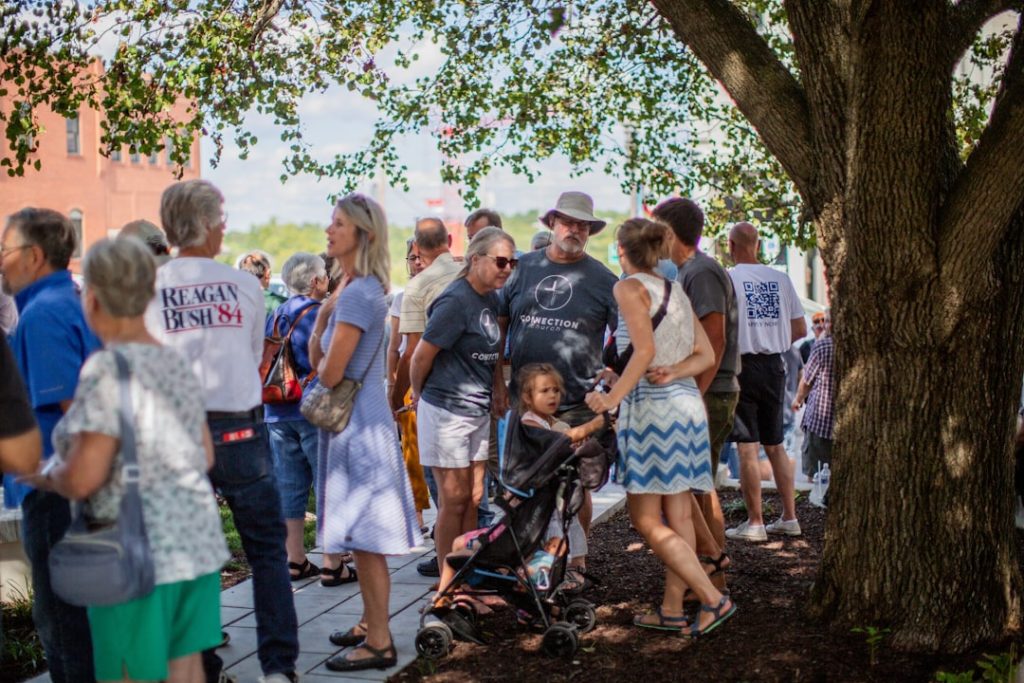
Photo by Samuel Yongbo Kwon on Unsplash
Stay Connected with Flamr
Don’t forget to follow Flamr on social media!
Relacionado
Discover more from Fyra - Dating App for Progressives
Subscribe to get the latest posts sent to your email.