Love, Liberation, and the Fight for Trans and Queer Futures
Dating has never been just about two people. Who we’re allowed to love, how safely we can show up in public, and whether our relationships are recognized by law are all shaped by politics, culture, and power. For LGBTQ+ people—especially trans and nonbinary folks, queer and trans people of color, disabled queers, immigrants, and those at the intersections—love has always been entangled with struggle and survival.
On a dating app, it can feel like all of that is far away. You’re swiping, chatting, maybe planning a first date. But the truth is: every profile that proudly says “bi,” “trans,” “ace,” “nonbinary,” or “queer” exists because generations of people pushed back against shame, criminalization, and erasure. And right now, in the middle of a backlash against trans rights and queer visibility, the way we date—and the way we show up for each other—can be a quiet act of resistance and a loud affirmation of the future we want.
How We Got Here: A Brief History of Queer and Trans Resistance
LGBTQ+ rights have never moved in a straight line from “bad” to “better.” They’ve moved in waves: bursts of liberation followed by fierce backlash. In the mid-20th century, queer and trans people faced criminalization for simply existing in public. Police raids on bars and gathering spaces were common; cross-dressing laws targeted gender-nonconforming people; and queer love was framed as a mental illness.
But resistance was always there. Trans women of color, drag queens, butch lesbians, and street-involved youth were at the front lines of uprisings and organizing—often at great personal risk. Activists fought for decriminalization, demanded an end to police brutality, and built their own networks of care when mainstream institutions shut them out.
Over time, movements for LGBTQ+ liberation intersected with struggles for racial justice, women’s rights, disability justice, and HIV/AIDS activism. These connections reshaped the conversation from “tolerance” to “liberation,” from “privacy” to “pride.” Marriage equality became a major legal milestone, but it was never the whole story. Many queer and trans people still lacked access to housing, healthcare, safety, and recognition—especially those who were poor, Black, brown, undocumented, or disabled.
Today, we’re living in another wave: more visibility, more representation, more language to describe our identities—and also more organized efforts to roll back rights, especially for trans and nonbinary people. Understanding that history helps us see that what’s happening now isn’t an accident; it’s part of a long pattern. And like earlier generations, we have choices about how we respond.
The Current Moment: Visibility, Backlash, and Everyday Courage
In many ways, it has never been easier to come out online. Dating apps, social media, and community platforms have given LGBTQ+ folks new ways to find each other, especially in places where local queer spaces are limited or unsafe. You can filter by identity, use pronouns in your profile, and name your gender and orientation with more nuance than ever before.
At the same time, queer and trans people are facing an intense wave of political and cultural attacks. Trans youth are being targeted in schools and healthcare settings. Laws and policies are being proposed or enacted that restrict gender-affirming care, limit discussions of gender and sexuality in classrooms, and police which bathrooms people can use and which sports teams they can join. This backlash doesn’t just live in legislatures; it shows up in families, workplaces, and yes, on dating apps—through harassment, fetishization, misgendering, and exclusion.
Yet in the middle of all this, LGBTQ+ people continue to build lives full of joy, intimacy, and community. That’s not a small thing. Every time someone:
- puts their pronouns in their profile,
- swipes right on a trans person and treats them with respect,
- names their queerness without apology,
- sets a boundary against transphobia or homophobia,
- chooses to learn instead of getting defensive,
they’re participating in a culture shift. They’re saying: “Our futures are real. Our love is real. We belong here.”
Building Relationships That Align With Our Politics
Many people using progressive dating apps aren’t just looking for chemistry—they’re looking for values alignment. That doesn’t mean everyone has to agree on every policy detail. It means seeing each other’s humanity as non-negotiable, and recognizing that identity isn’t an “issue” to debate, but a lived reality to respect.
So what does it look like to bring LGBTQ+ justice into how we date, flirt, and build relationships?
- Start with curiosity, not assumptions. Don’t assume someone’s pronouns, body, or desires based on their labels or appearance. Ask respectfully, listen, and believe people when they tell you who they are.
- Move beyond “preferences” that are actually biases. Saying “no trans people” or “no femmes” or “no Black guys” isn’t a neutral preference; it reflects systems of racism, transphobia, and misogyny. Attraction is complex, but we can examine what we’ve been taught to find desirable and who has been excluded from that story.
- Center consent and communication. For many queer and trans people, past experiences with non-consensual touching, invasive questions, or being “outed” without permission are real sources of harm. Being explicit about consent—around photos, topics, and physical intimacy—is an act of care.
- Respect boundaries around disclosure. No one owes you details about their medical history, transition, genitals, trauma, or family situation. If someone shares, treat it as a gift, not an entitlement.
- Practice solidarity, not saviorism. If you’re cisgender, straight, or more socially protected, your role isn’t to “rescue” queer and trans people. It’s to listen, believe, amplify, and use your safety to push back on harmful behavior when it’s safe to do so.
These choices might seem small, but they add up. The way we treat each other in intimate spaces reflects the world we’re willing to tolerate—and the one we’re willing to build.
Imagining Queer and Trans Futures: Beyond Survival
There’s a difference between being tolerated and being free. Many LGBTQ+ people are still fighting for basic safety: to walk down the street without harassment, to access healthcare without discrimination, to keep their jobs and housing, to raise families without interference. These are urgent, life-or-death issues.
But queer and trans futures are about more than survival. They’re about thriving. They’re about imagining a world where:
- gender-affirming care is accessible, affordable, and understood as ordinary healthcare, not a political bargaining chip;
- schools teach accurate, inclusive histories of LGBTQ+ people, so queer and trans youth grow up knowing they’re not alone or “new”;
- dating apps and platforms are designed with safety, consent, and inclusion at their core, actively preventing harassment and discrimination;
- families—chosen and biological—have the resources and support they need to love each other well;
- people can experiment with identity and expression without fear of losing everything.
These futures won’t appear on their own. They’re built through policy changes, cultural shifts, mutual aid, and everyday acts of care. But they’re not fantasy. We can already see pieces of them in community health clinics, queer youth centers, affirming classrooms, inclusive workplaces, and yes, in the way people show up for each other on dating apps.
Where You Come In: Love as a Practice of Justice
You don’t have to be an activist to be part of this work. The way you date, the way you talk about gender and sexuality with friends and family, the way you respond when someone is being dehumanized—all of that matters.
Here are a few places to start reflecting and acting:
- Audit your own habits. Look at your dating history and patterns. Who do you swipe left on without thinking? What assumptions do you make about certain identities? Where might bias be shaping your “type”?
- Update your profile with intention. Are your pronouns visible? Does your bio signal that you’re affirming of trans and queer people? Could you be clearer about your values without turning your profile into a manifesto?
- Learn beyond the algorithm. Follow trans and queer creators, organizers, and educators. Read books and essays by LGBTQ+ authors. Listen to people at the intersections of race, disability, class, and queerness.
- Back up your values offline. Support organizations fighting for trans healthcare, housing, and legal protections. Show up at local meetings or town halls when LGBTQ+ rights are on the agenda. Vote with queer and trans futures in mind.
- Practice everyday courage. If it’s safe for you, challenge transphobic or homophobic comments in your group chats, at family gatherings, and on dates. Silence can feel like agreement to the person being targeted.
Loving in a time of backlash is not just about finding “your person.” It’s about choosing to see other people’s full humanity, even when the culture around you is trying to shrink it. It’s about creating pockets of safety, joy, and possibility—on your phone screen, on a first date, in your friend group—that reflect the world you want to live in.
As you swipe, message, and meet new people, consider this an invitation: let your search for connection also be a commitment to liberation. Ask yourself not just who you want to love, but what kind of world you’re helping to build every time you open the app.
The future of queer and trans life—and love—is not guaranteed. But it is absolutely still being written. You are part of that story.
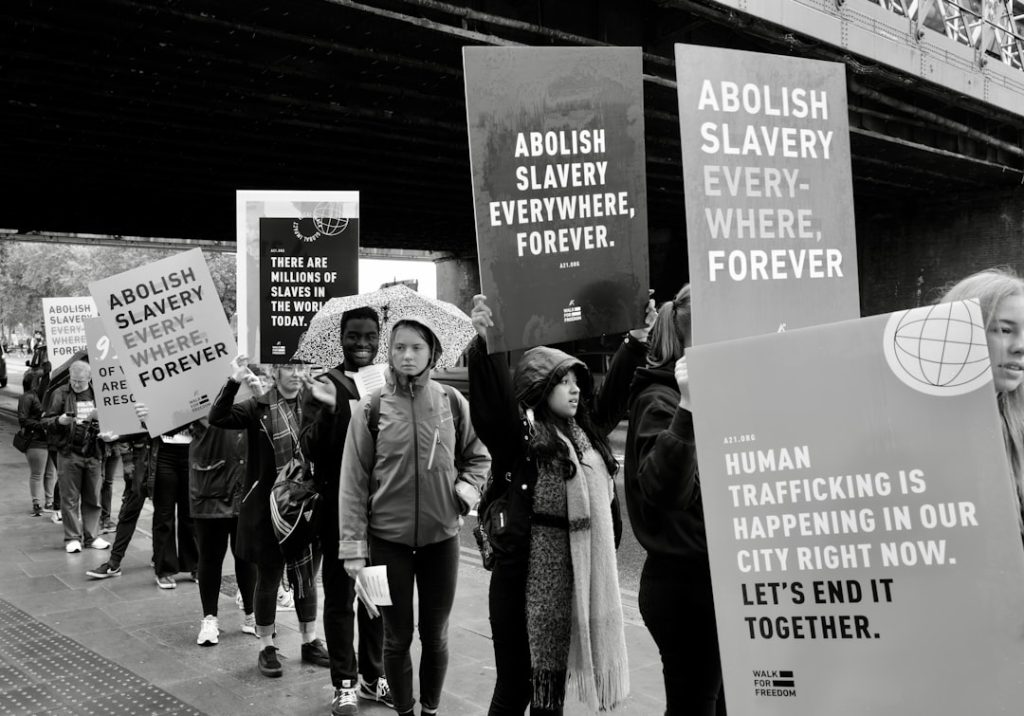
Photo by Simon Goldstein on Unsplash
Stay Connected with Flamr
Don’t forget to follow Flamr on social media!
Relacionado
Discover more from Fyra - Dating App for Progressives
Subscribe to get the latest posts sent to your email.