When “Spending More” Isn’t a Flex: Why Kevin Hassett’s Comments Miss the Reality of Economic Pain
On a recent Fox News appearance, Donald Trump’s top economic adviser, Kevin Hassett, tried to spin a troubling trend—rising credit card delinquencies and household debt—into a feel-good story. His logic: if Americans are “spending more,” that must mean they’re optimistic about the economy.
For anyone juggling rent, student loans, medical bills, and the cost of groceries, that framing doesn’t just feel off. It feels insulting.
This moment matters because it lays bare a divide that runs through American politics: the gap between how elites talk about “the economy” in the abstract and how people actually live it in their day-to-day lives. For a progressive dating app community—where many people are navigating relationships, careers, and financial stress all at once—this isn’t just a policy debate. It’s about whether your reality is seen and respected at all.
Read the full article: Trump’s Top Economic Adviser Doesn’t Seem to Get That People Are Struggling (Mother Jones)
What Happened: Hassett’s “Spending More” Spin
The Fox News exchange
As Mother Jones reports, Kevin Hassett, director of Trump’s National Economic Council, went on Fox News and was pressed about a clear warning sign: more Americans are falling behind on their credit card bills. That’s typically a red flag that people are struggling with the basics—housing, food, transportation, medical costs—not splurging on vacations and luxury goods.
Instead of acknowledging this, Hassett framed the situation as a sign of confidence. People are “spending more,” he said, suggesting that this shows Americans feel good about the economy.
The host pushed back, asking why, if things are so great, delinquencies are rising and families are under pressure. Hassett’s response essentially boiled down to: increased spending is a positive sign, and we should be “optimistic.”
Why that logic fails basic reality
Hassett’s argument treats all spending as equal. But there’s a huge difference between:
- Discretionary spending (you choose it: travel, entertainment, upgrades)
- Forced spending (you can’t avoid it: rent, medical bills, childcare, groceries)
Mother Jones highlights the obvious contradiction: if people are swiping credit cards more because their wages don’t cover necessities, that’s not “optimism”—it’s desperation. Rising delinquencies don’t signal confidence; they signal that the floor is falling out from under people.
In other words: Hassett’s “good news” is many Americans’ worst fear—being forced to borrow just to stay afloat.
The Deeper Issue: Whose Economy Counts?
Macro stats vs. lived experience
Hassett’s comments are a textbook example of how economic elites can hide behind macro indicators while ignoring what’s happening to actual people. If you only look at:
- GDP growth
- Stock market indexes
- Corporate profits
- Headline unemployment rates
you can tell yourself a very comforting story about a “strong” economy. But if you zoom in on people’s lives, another picture emerges:
- Credit card debt and delinquencies rising
- Rent and home prices outpacing wages
- Student loans and medical debt weighing down young adults
- People working multiple jobs just to cover basics
Progressives have been saying this for years: an economy can be “growing” on paper while failing millions of people in practice. Hassett’s comments crystallize how the people in charge often choose the paper over the people.
“Consumer confidence” vs. economic coercion
Conservatives often celebrate consumer spending as proof that people feel good about where things are headed. But that conflates choice with necessity. When your rent jumps, your car breaks down, or your kid needs urgent medical care, you might “spend more”—not because you’re confident, but because you have no alternative.
For many, rising credit card balances aren’t a sign of optimism; they’re a sign that:
- Emergency savings are gone or never existed
- Wages haven’t kept up with costs
- Social supports (like affordable healthcare and housing) are too weak
Calling that “good news” is like saying, “Look how confident people are—they’re taking out payday loans!” It’s upside down.
Why This Hits Home for Young, Progressive Daters
Money stress is relationship stress
On a dating app that centers progressive values, you’re likely talking with people about real-life stuff: how to split the bill, whether you can afford to move in together, what it means to plan a future when both of you have debt. Economic policy isn’t abstract—it’s date night, rent, mental health, and whether you feel safe starting a family or even getting a cat.
When someone like Hassett shrugs off rising credit card delinquencies as “optimism,” he’s effectively dismissing:
- The anxiety of checking your account before you tap your card
- The tension of money conversations in new relationships
- The shame people are made to feel for “bad choices” when the system is rigged
Progressive politics is rooted in the idea that these aren’t individual failures—they’re structural problems. And that matters when you’re building relationships based on honesty, care, and shared values.
Generational inequality in real time
Many younger adults are facing a triple bind:
- Stagnant wages relative to productivity and profits
- Skyrocketing costs for housing, education, and healthcare
- Climate anxiety and political instability on top of it all
When a top economic adviser insists everything is fine because “people are spending more,” it reinforces a familiar pattern: older, wealthier decision-makers dismissing the lived reality of younger, more diverse generations who are carrying the weight of policy failures they didn’t create.
Progressive Values vs. Trickledown Spin
What progressives see that Hassett doesn’t
At the heart of this story is a clash of worldviews.
Hassett’s comments fit into a long conservative tradition: if the numbers that matter to investors look good, then the economy is “strong,” and any problems people face are either temporary or their own fault.
Progressives start from a different place: the economy is only healthy if people are. That means looking at:
- Can people afford stable housing without going into debt?
- Can they access healthcare without financial ruin?
- Can they raise kids, care for family, and still have time and energy for joy?
- Are gains shared, or hoarded at the top?
From this perspective, rising credit card delinquencies are not a messaging challenge—they’re a moral and policy failure.
Historical echoes: “Let them eat cake,” but make it financialized
There’s a long history of elites misreading or dismissing economic pain:
- Industrial-era bosses claiming workers were “better off” despite dangerous conditions
- Politicians during past recessions insisting the “fundamentals of the economy are strong” while people lost homes and jobs
- Decades of trickle-down promises that tax cuts for the rich would somehow lift everyone else
Hassett’s spin is the 21st-century version: “If people are spending, they must be doing fine,” even when that spending is financed by debt at high interest rates that trap people in cycles of stress and scarcity.
The Bigger Picture: What This Means for the Progressive Movement
Why calling out this rhetoric matters
It might be tempting to treat Hassett’s comments as just another out-of-touch TV moment. But language shapes policy, and policy shapes lives. If the people in power convince enough voters that rising debt is a sign of “strength,” they can justify:
- Blocking minimum wage increases
- Cutting social safety nets
- Rolling back consumer protections
- Prioritizing tax cuts and corporate subsidies over people’s basic needs
Progressives can’t let that narrative go unchallenged. We need to keep insisting on a different measure of success: how well the most vulnerable are doing, not just how loudly the stock market is cheering.
Policy directions that align with reality
Hassett’s comments unintentionally underscore what’s missing from the economic conversation. A progressive response isn’t just to criticize; it’s to push for concrete alternatives, like:
- Living wages and stronger labor rights so people don’t need credit cards to cover basics
- Affordable housing policies to curb rent spikes and displacement
- Robust consumer protections against predatory credit and abusive interest rates
- Debt relief and fairer lending including student debt reform and limits on exploitative credit products
- Universal healthcare so a medical emergency doesn’t become a financial catastrophe
These aren’t radical ideas; they’re common-sense responses to the reality that millions of people are living on the brink, not because they’re “spending too much,” but because the basics cost too much and paychecks haven’t kept pace.
Different Angles: How People Are Reading This Moment
The conservative defense
To be fair, there’s a predictable defense of Hassett’s framing: that he’s simply highlighting a standard economic indicator—consumer spending—and trying to reassure markets and voters. In this view, emphasizing optimism is part of the job.
But reassurance without honesty isn’t leadership; it’s gaslighting. If your “optimism” requires ignoring delinquency data and real hardship, you’re not analyzing the economy—you’re running PR for a failing model.
The lived-experience perspective
From the standpoint of people actually living this reality—many of
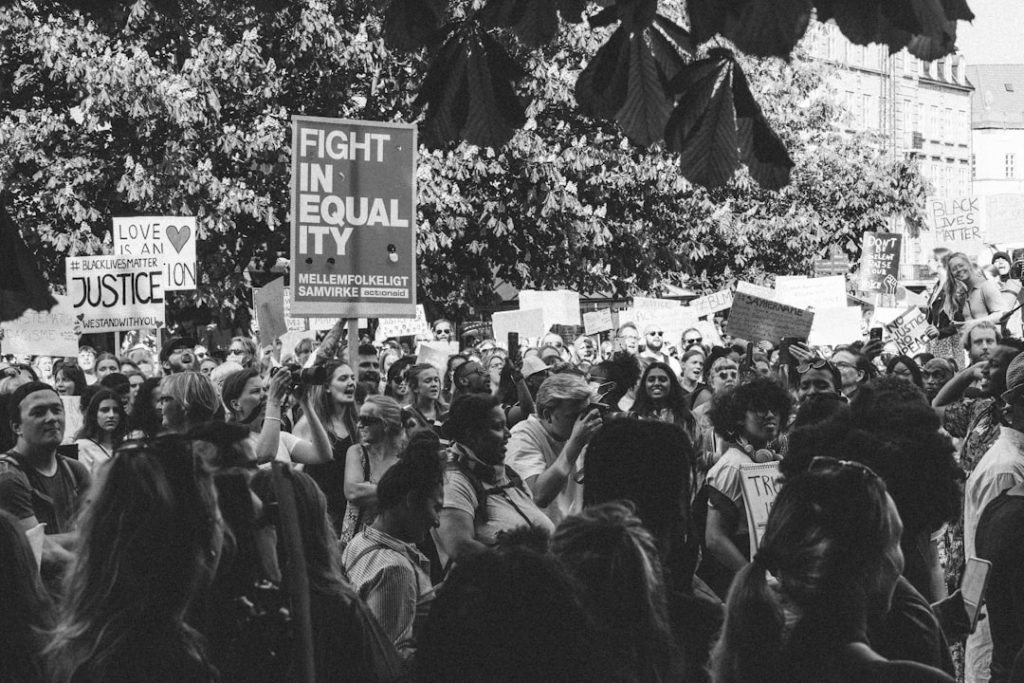
Photo by Jeppe Mønster on Unsplash
Stay Connected with Flamr
Don’t forget to follow Flamr on social media!
Relacionado
Discover more from Fyra - Dating App for Progressives
Subscribe to get the latest posts sent to your email.