
Love in the Time of Climate Crisis: Dating as Climate Justice
When we talk about dating, we usually focus on chemistry, compatibility, and communication. But there’s another “C” word that increasingly shapes our lives and relationships: climate. Rising temperatures, extreme weather, and environmental injustice aren’t just abstract headlines—they’re reshaping where we live, how we work, and what kind of future we can imagine with another person.
On a progressive dating app, we often ask people what they care about: social justice, equity, community. Climate justice sits at the intersection of all of these. It’s not only about cutting emissions or recycling more. It’s about who is protected and who is left behind, whose neighborhoods are flooded and whose homes stay dry, who gets clean air and who lives near the refinery.
If dating is about dreaming up a future with someone, then climate justice is about making sure that future is possible—and shared fairly.
From Smokestacks to Swipe Rights: How We Got Here
Climate change didn’t appear out of nowhere. For decades, fossil fuel companies knew that burning coal, oil, and gas would destabilize the climate. They funded disinformation campaigns, delayed regulation, and framed environmental concern as a niche issue rather than a basic survival question. Governments moved slowly; communities most affected—often poor, Black, Brown, Indigenous, and Global South communities—were ignored or blamed.
At the same time, environmentalism was often portrayed as a lifestyle choice: reusable bags, organic produce, hybrid cars. Those things matter, but they can obscure the deeper reality: climate impacts are unevenly distributed, and so is power. The people who contributed least to the problem are suffering first and worst.
Climate justice emerged as a response to this imbalance. Activists connected the dots between environmental degradation and:
- Racial segregation and redlining, which placed communities of color near highways, landfills, and industrial zones.
- Colonialism and resource extraction, where land and labor were exploited to fuel growth elsewhere.
- Economic inequality, where wealthier communities can adapt or relocate, while others are forced to endure worsening conditions.
In other words, climate justice reframed the crisis: not just “How do we stop warming?” but “Who bears the cost, who makes the decisions, and who gets to thrive?”
That history matters on a dating app because it shapes the stories we tell about ourselves. Are we just individuals trying to be “eco-friendly,” or are we participants in a broader movement for fairness, accountability, and care?
Dating in an Uncertain Climate: What We’re Feeling Now
Today, climate anxiety is a common part of the emotional landscape. People wonder whether it’s responsible to have children, whether their hometown will still be livable in a few decades, whether their dream of a little house with a garden is realistic when wildfire smoke and flooding are becoming routine.
Those questions show up in profiles and first dates:
- “Looking for someone who cares about the planet.”
- “Mutual aid and climate organizing are my love languages.”
- “Trying to figure out how to build a future that feels ethical and hopeful.”
This isn’t just virtue signaling. It’s a way of asking: Will you face reality with me? Can we navigate uncertainty together? Do our values align when it comes to how we show up for others?
Climate justice also reshapes the practical side of dating:
- Where we live: People are relocating because of fires, floods, and heatwaves. Climate migration is no longer a distant projection; it’s happening now.
- How we move: Choosing car-free lifestyles, public transit, or biking can be both a political statement and a daily reality that affects how we meet up.
- How we spend: Supporting local growers, co-ops, and ethical businesses can be part of shared values—and shared budgets.
And yet, there’s a paradox. Climate awareness can deepen connection—shared concern, shared purpose—but it can also feel heavy. Constant crisis talk can make romance seem frivolous, or the future feel too fragile to plan. Many of us are trying to hold two truths at once: the world is in trouble, and we still crave joy, intimacy, and play.
Climate justice offers a way to hold both. It insists that pleasure, safety, and love are not luxuries reserved for a few—they’re rights we should all have. Fighting for a livable planet is, in part, fighting for the right to build a life with someone without constant fear of catastrophe.
Imagining Climate-Just Relationships and Communities
What might it look like to build relationships—romantic or otherwise—that are rooted in climate justice rather than climate despair?
First, it means recognizing that our personal choices matter, but they are not the whole story. We can’t “individual action” our way out of a crisis created by systems: energy, transportation, agriculture, finance. Instead, we can see our relationships as small nodes in a larger network of change.
Some possibilities:
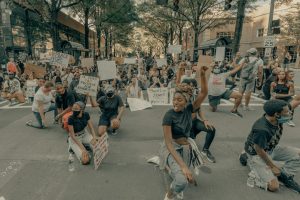
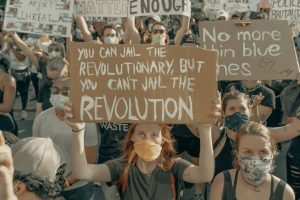
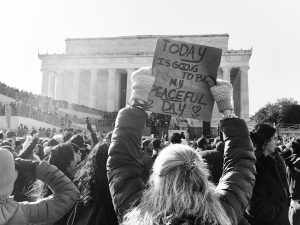
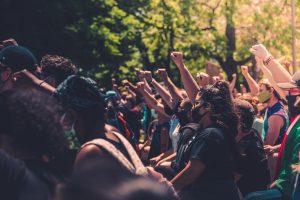
- Shared political engagement: Partners and friends attending climate justice rallies, supporting frontline communities, or joining local campaigns together. Organizing can be a form of intimacy—shared risk, shared courage.
- Collective care: Choosing to be part of mutual aid networks that respond to climate disasters, checking on neighbors during heatwaves, sharing resources when infrastructure fails.
- Reimagining “home”: Building housing cooperatives, community gardens, or shared spaces that reduce isolation and increase resilience. A future with someone might include not just two people in a single apartment, but a web of relationships that makes survival and joy more likely.
- Honest conversations about family planning: Talking openly about kids, caregiving, and long-term plans in light of climate realities—not as a reason to give up, but as an invitation to be intentional and informed.
Climate justice also invites us to expand who we think of as “us.” Our romantic partner is not the only person whose wellbeing matters. Our choices affect neighbors we may never meet, people living near pipelines and mines, communities facing drought and storms. A climate-just relationship is one that understands love as connected to solidarity.
That doesn’t mean every date needs to turn into a policy seminar. It means that compassion isn’t just a private feeling—it’s a practice that extends beyond our immediate circle.
Challenges, Yes. But Also Real Reasons for Hope.
It’s honest to say that the climate outlook is serious. Some damage is already locked in. Political systems are slow. Powerful interests are invested in the status quo. And the scale of change needed—from energy grids to food systems—is enormous.
But it’s also honest to say that we are not starting from zero. Around the world, people are:
- Winning lawsuits against polluters and governments that fail to protect their citizens.
- Building community-owned solar, wind, and microgrids, especially in marginalized neighborhoods.
- Organizing youth-led movements that treat climate justice as inseparable from racial, economic, and gender justice.
- Developing policies that phase out fossil fuels while guaranteeing workers’ rights and community investment.
And on a more intimate scale, we are learning new emotional skills: how to grieve without giving up, how to stay informed without burning out, how to cultivate joy not as denial but as resistance.
Hope, in this context, isn’t blind optimism. It’s the decision to keep caring, to keep connecting, to keep acting, even when outcomes are uncertain. It’s the belief that our lives and loves can be part of a larger story of repair.
Dating as a Practice of Climate Justice: Where You Come In
If you’re swiping, messaging, or planning a first date, climate justice might feel far away from that moment. But you can weave it into your connections in small, meaningful ways:
- Ask about values: “What issues matter most to you?” “How do you feel about climate and justice stuff?”
- Suggest dates that align with your ethics: a local park cleanup, a community garden visit, a talk hosted by climate organizers, or just a walk where you share what you’re worried about and what gives you hope.
- Support each other’s engagement: celebrate when your match goes to a town hall or volunteers with a mutual aid group; talk about how you can show up together.
- Stay curious: if someone’s perspective is different from yours, ask questions instead of shutting down. Climate justice requires coalition, and coalition requires conversation.
Most importantly, let yourself imagine futures that are both realistic and radical: realistic about the challenges, radical in their commitment to equity and care. A climate-just future isn’t one where everything turned out fine on its own. It’s one where we chose to act, together.
So as you navigate the world of profiles and messages, take a moment to reflect: How does climate justice show up in the way you see yourself, your relationships, and your responsibilities to others? What kind of world do you want to build with someone—not just in your living room, but in your neighborhood, your city, your planet?
And then, if you’re ready, let that reflection turn into action. Join a local climate justice group. Support frontline communities. Talk to your friends and matches about what you’re learning. Treat love not as an escape from the world, but as one of the reasons you’re committed to changing it.
Our connections are powerful. They can carry fear and cynicism—or they can carry courage, imagination, and solidarity. The climate is changing. The question is: how will we change with it, and who will we choose to stand beside as we do?
Photo by Sasun Bughdaryan on Unsplash
Stay Connected with Flamr
Don’t forget to follow Flamr on social media!
Relacionado
Discover more from Fyra - Dating App for Progressives
Subscribe to get the latest posts sent to your email.