Why Progressive Community Events Matter for Your Love Life (and Your City)
Progressive dating isn’t just about matching with people who share your values—it’s about living those values together. Community events focused on social justice, mutual aid, climate action, queer and trans liberation, racial equity, disability rights, and more don’t just change the world; they also create rich, real-life spaces to connect with others. Whether you’re newly politicized, long-time active, or just curious, getting involved can deepen your relationships, expand your social circle, and make dating feel more meaningful.
Progressive community spaces are where you meet people who care, listen, and show up. They’re where you see how someone behaves when there’s nothing to gain but connection and collective wellbeing. That’s a powerful foundation for friendships, romance, and everything in between.
Types of Progressive Community Events to Explore
Progressive communities are diverse, and so are their events. You don’t have to be an organizer or an expert—just pick something that aligns with your interests or values and start there.
-
Mutual Aid & Community Care
Food distribution, community fridges, clothing swaps, rent support networks, childcare collectives, and neighborhood support groups. These spaces center solidarity, not charity, and often welcome new volunteers. -
Political Education & Skill-Building
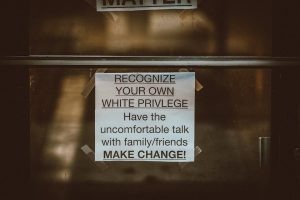
Reading groups, teach-ins, workshops on organizing, digital security, conflict resolution, anti-racism, disability justice, and more. These events help you understand issues deeply and connect with people who are thinking critically about the world. -
Protests, Rallies & Direct Action
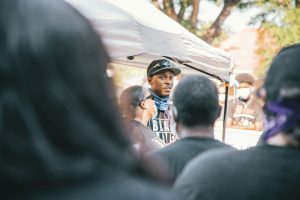
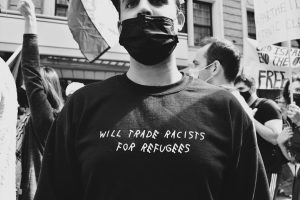
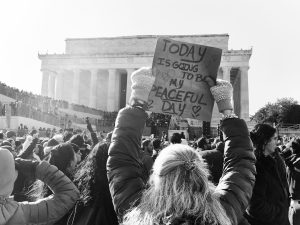
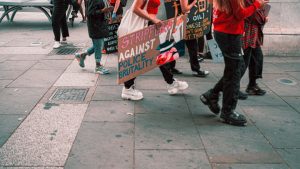
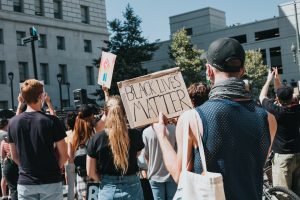
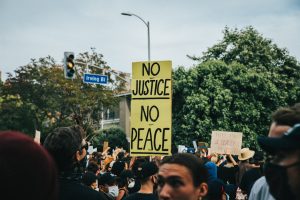
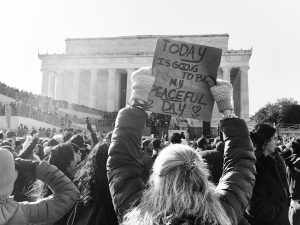
Marches, picket lines, sit-ins, and public demonstrations around climate justice, labor rights, racial justice, reproductive autonomy, trans rights, and other causes. These can be intense but energizing spaces where you see collective power in action. -
Creative & Cultural Events
Poetry nights, zine-making circles, drag shows, queer film screenings, art builds for campaigns, community theater, and storytelling events. Culture is a huge part of progressive movements and often more accessible for first-timers. -
Support & Affinity Spaces
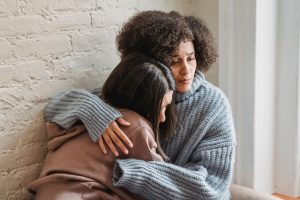
LGBTQ+ meetups, BIPOC-only spaces, disability justice circles, survivor support groups, and other identity-based gatherings. These can be powerful spaces for healing and solidarity; attend respectfully and follow any guidelines about who the space is for. -
Local Policy & Civic Engagement
City council meetings, school board sessions, tenant union gatherings, neighborhood associations, and budget hearings. Showing up where decisions are made is a practical way to build power and meet others who care about local issues. -
Social & Dating-Adjacent Events
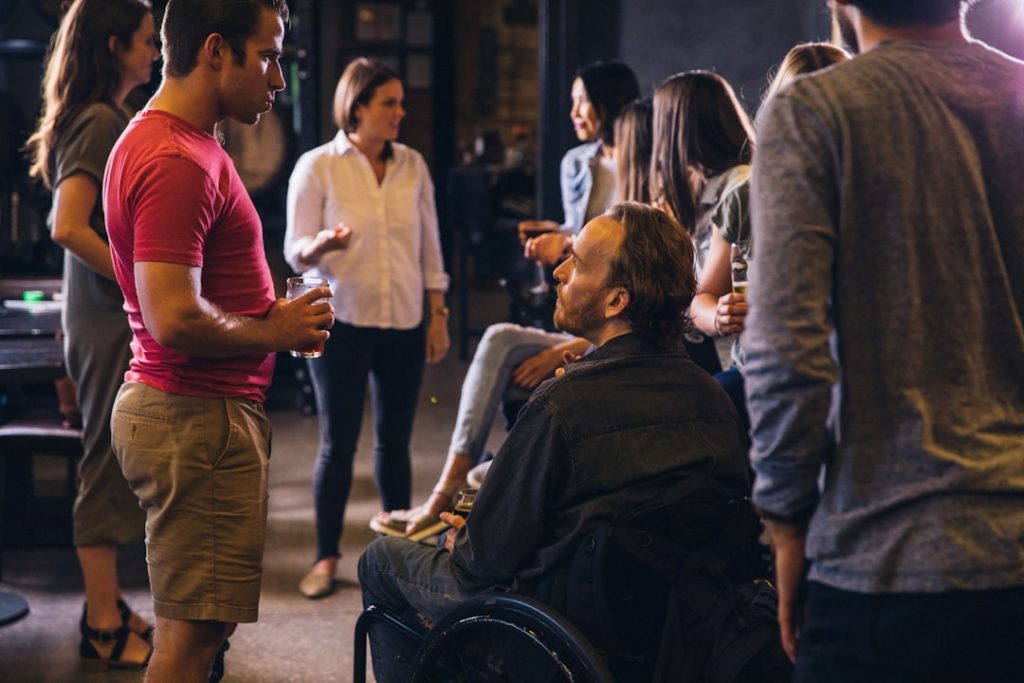
Progressive mixers, queer speed dating, feminist book clubs, game nights at community centers, hiking groups with a justice lens, and “volunteer & mingle” nights. These are explicitly social spaces where values are front and center.
How to Find Local Progressive Events (Online and Offline)
You don’t need insider connections to find progressive events. Many groups are actively trying to reach new people—especially younger folks, queer and trans people, and those who’ve felt shut out of traditional politics.
-
Event Platforms
Search Meetup for groups using keywords like “social justice,” “mutual aid,” “queer,” “feminist,” “climate action,” or “progressive politics.”
Check Eventbrite for workshops, rallies, and community forums. Many organizations list free or sliding-scale events there. -
Local Organizations & Community Centers
Visit websites and social media pages for local nonprofits, grassroots collectives, LGBTQ+ centers, reproductive health organizations, environmental groups, and tenant unions. Most have an “Events” or “Get Involved” section.
Libraries, community centers, and university cultural centers often host public talks, book clubs, and community meetings with a progressive focus. -
Social Media & Messaging Apps
Follow local activist accounts on Instagram, TikTok, or X. Many post flyers, action alerts, and event details.
Look for Discord servers or group chats linked in bios or websites. Some cities have progressive community Discords with channels for events, rideshares, and mutual aid. -
Faith & Spiritual Communities
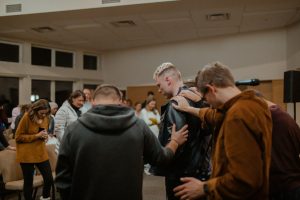
Progressive faith communities (e.g., justice-focused churches, mosques, synagogues, Unitarian Universalist congregations, Buddhist sanghas) often run social justice working groups, discussion circles, and volunteer days. -
Your Workplace or Campus
Union meetings, DEI committees, employee resource groups, and campus organizations can be hubs for progressive activity. Even if you’re not fully aligned with their politics, they can be a starting point for connection.
If you’re using a progressive dating app, check if they have a community events section, partner organizations, or sponsored meetups. Some apps collaborate with local groups to host mixers, volunteering days, or discussion circles where you can meet people offline in a values-aligned space.
Community Building: Why It Matters and How It Shapes Relationships
Community building is more than just “meeting people.” It’s about creating networks of care, accountability, and shared purpose. In a progressive context, community isn’t a backdrop to your life—it’s a structure that supports it.
For dating and relationships, that matters because:
-
Values become visible.
It’s one thing to say you care about justice in your profile; it’s another to show up consistently, listen, and contribute. Community spaces let you see how someone shows care in practice. -
You build interdependence, not isolation.
Instead of centering everything on coupledom, progressive communities emphasize networks of friends, comrades, and chosen family. That can make relationships healthier and less pressured. -
You practice communication and conflict skills.
Organizing teaches how to navigate disagreements, share power, and repair harm—skills that translate directly into dating and long-term partnership. -
You expand your world.
Community spaces are often more diverse than our usual social circles. You meet people across age, race, class, gender, and ability lines, which can deepen empathy and challenge assumptions.
Showing up for your community doesn’t mean you have to be at every event or know all the theory. It means being willing to learn, to listen, and to build relationships that aren’t transactional—whether they become romantic or not.
Tips for First-Timers: Showing Up With Care and Confidence
If you’re new to progressive spaces, it’s normal to feel nervous. You might worry about saying the wrong thing, not knowing enough, or being judged. The reality: most groups want new people and appreciate honest effort.
-
Start with your comfort level.
If big rallies feel overwhelming, try a smaller reading group, film night, or volunteer shift. If you’re introverted, look for events with structured activities rather than open mingling. -
Read the event description carefully.
Note who the event is for (e.g., “for Black queer folks,” “open to all ages,” “mask-required,” “wheelchair accessible”), what to bring, and any safety or consent guidelines. Respect identity-specific spaces if you’re not part of that group. -
Arrive with curiosity, not performance.
You don’t need perfect language or a fully formed political analysis. It’s okay to say, “I’m still learning about this; I’m here to listen and help.” Avoid dominating conversations or trying to impress people with knowledge. -
Consent and boundaries still apply.
Even in social or dating-adjacent events, prioritize consent and respect. Don’t assume people are there to date; some are there purely for the cause or community. If you’re interested in someone, be direct but gentle and accept a no gracefully. -
Ask about next steps.
Before you leave, ask an organizer: “Is there a mailing list or group chat?” or “How can I stay involved?” Getting plugged in helps you move from one-off attendance to ongoing connection. -
Reflect afterwards.
What felt good? What felt uncomfortable? Were there identities missing from the room? Use that reflection to choose future spaces that align with your values and needs.
If you’re going with someone you met on a dating app, talk beforehand about expectations: Are you there to volunteer, learn, meet people, or all three? Agree to check in with each other if anything feels off.
Blending Online and In-Person: Building Sustainable Progressive Connections
Online spaces make progressive community more accessible—especially if you’re disabled, live in a small town, or have limited time or money. In-person spaces, meanwhile, offer embodied connection and local impact. You don’t have to choose one; you can build a hybrid community that works for you.
-
Online options
Virtual book clubs, Zoom teach-ins, online mutual aid coordination, Discord servers, group chats for specific identities or causes, and social media campaigns. Many organizations stream events or offer recordings.
Use progressive dating apps to join discussion threads, virtual hangouts, or educational series hosted by the app or partner organizations. -
In-person options
Neighborhood meetings, street protests, community gardens, in-person workshops, arts events, and social mixers. These help you build relationships with people who live near you, which can be crucial in times of crisis.
A sustainable approach might look like: attending one in-person event a month, joining an online reading group, and volunteering remotely for a local org. Over time, names become faces, faces become friends, and friends may become dates, partners, co-organizers, or chosen family.
Your progressive values are more than a checkbox on a profile—they’re an invitation to show up, connect, and build something bigger than yourself. Community events are where that invitation becomes real. Whether you’re there to learn, to help, to meet people, or all of the above, you’re part of the story of how we care for each other.
Stay Connected with Flamr
Don’t forget to follow Flamr on social media!
Relacionado
Discover more from Fyra - Dating App for Progressives
Subscribe to get the latest posts sent to your email.