Love, Liberation, and LGBTQ+ Rights: Dating in a World We’re Still Building
Swipe culture can make it feel like dating exists in a vacuum—just you, your matches, and a never-ending feed of faces. But every match, every first date, and every “so… what are we?” conversation is happening inside a much bigger story: the ongoing struggle for LGBTQ+ rights and liberation.
When we talk about queer and trans love, we’re never just talking about romance. We’re talking about safety, visibility, health care, housing, family, work, and the right to exist without apology. We’re talking about who gets to hold hands in public without fear, whose pronouns are respected at the doctor’s office, and whose relationships are recognized in policy and culture.
In other words: the politics of love are never just personal. They’re structural. But that also means our intimate lives can be a powerful place to practice the kind of world we want to build—together.
From Criminalization to Visibility: How We Got Here
It’s easy to forget how recent many LGBTQ+ gains are, especially when you’re scrolling through profiles that casually list “bi,” “pan,” “nonbinary,” or “genderfluid” like it’s always been safe to do so. It hasn’t.
For much of modern history, queer and trans people were criminalized, pathologized, or erased:
- Same-sex relationships were punishable by prison, forced labor, or worse in many countries.
- Homosexuality was listed as a mental disorder in major diagnostic manuals until the 1970s and 1990s.
- Trans people faced forced sterilization, institutionalization, and legal invisibility.
Moments like the Stonewall uprising in 1969 didn’t “start” queer resistance, but they became a symbol of a shift: from quiet survival to public, collective demand for rights. Over the following decades, LGBTQ+ movements worldwide pushed for decriminalization, anti-discrimination laws, and recognition of relationships and families. The HIV/AIDS crisis exposed how deeply governments were willing to abandon queer communities—and how fiercely those communities could organize to care for each other.
The last few decades have brought enormous changes: marriage equality in many countries, broader media representation, and legal protections in some workplaces and schools. Dating apps have made it easier to find community and connection, especially for people living in places where it still isn’t safe to be fully out.
But the story is far from over—and it’s not a simple march toward progress.
Dating in a Backlash Era: The Current Landscape
We’re living in a paradoxical moment: more visibility than ever, and yet more organized backlash in many places. For queer and trans people, especially those who are also Black, Indigenous, disabled, migrants, or otherwise marginalized, the stakes are high.
Some of the realities shaping LGBTQ+ dating today:
- Legislative attacks, especially on trans people. In many regions, there are ongoing attempts to restrict gender-affirming care, ban trans people from sports or public spaces, and police what can be taught about gender and sexuality in schools.
- Uneven access to safety. While some can list their identities openly on a dating profile, others risk harassment, job loss, family rejection, or violence if they’re outed.
- Healthcare barriers. Trans and nonbinary people often face discrimination or outright denial of care. Queer people still experience higher rates of mental health challenges—not because of who they are, but because of stigma, isolation, and systemic harm.
- Digital risks. Dating apps can be lifelines, but they can also be sites of harassment, doxxing, catfishing, and data misuse—especially in countries where being LGBTQ+ is criminalized.
And yet, amid all this, something powerful is happening. People are using dating apps not just to find romantic partners, but to find community, mutual aid, and solidarity. Profiles mention “ACAB,” “abolitionist,” “climate justice,” “union organizer,” “trans rights are human rights”—signals that love and politics aren’t separate, but deeply intertwined.
The current landscape asks us a hard question: how do we date in a world that is still debating whether some of us deserve full humanity? And how can our dating lives become part of the answer?
Practicing Liberation in Our Dating Lives
LGBTQ+ liberation isn’t only about laws and court cases. It’s about daily practices—what we normalize, what we challenge, and how we show up for each other. Dating is one of the most intimate arenas where we can practice those values.
Some ways that shows up:
- Respecting self-definition. Asking for and using people’s names and pronouns. Not demanding “proof” of someone’s gender or sexuality. Believing people when they tell you who they are.
- Rejecting hierarchy of identities. Not treating certain queer identities as “more real” or “more desirable” than others. Challenging myths that bisexual, pan, or fluid people are “confused” or “less committed.”
- Interrogating our preferences. Attraction is complex, but it’s not separate from culture. Reflecting on why we might unconsciously exclude certain races, bodies, genders, or disabilities from our dating pool is part of unlearning systemic bias.
- Centering consent and care. Recognizing that many LGBTQ+ people carry trauma from family rejection, bullying, or violence. Being gentle with boundaries, communication, and pacing.
- Building chosen family. For many queer and trans people, dating and friendship networks overlap into something deeper: mutual care, shared housing, co-parenting, creative collaboration. Love isn’t only romantic; it’s communal.
These might sound like “small” things compared to changing laws—but culture shifts start in intimate spaces. The way we treat each other on a first date or in a breakup is connected to the kind of world we’re building.
Imagining the Future: Beyond Tolerance, Toward Abundance
It’s not enough to aim for “tolerance” or even just “acceptance.” The future of LGBTQ+ rights and relationships can be about abundance: where queer and trans joy isn’t an exception, but an everyday expectation.
Imagine a world where:
- Healthcare is affirming and universal. Gender-affirming care, HIV prevention and treatment, mental health support, and reproductive care are available and free at the point of access—without gatekeeping or stigma.
- Legal recognition is expansive. Family law recognizes polyamorous families, co-parenting beyond romantic couples, and chosen family in hospital visitation, inheritance, and immigration.
- Schools are safe and inclusive. Queer and trans history, literature, and role models are part of the curriculum. Students can explore identity without fear of censorship or punishment.
- Workplaces and housing are truly non-discriminatory. Anti-discrimination laws are enforced, and employers proactively support LGBTQ+ workers with benefits, policies, and culture change.
- Digital spaces are safer by design. Dating apps and platforms prioritize privacy, consent, and safety features, especially for users in hostile environments.
None of this is guaranteed. It will require organizing, voting, mutual aid, cross-movement solidarity, and a refusal to accept “at least it’s better than before” as the end goal. But we’re already seeing glimpses of this future: in queer youth organizing, in trans-led mutual aid projects, in intergenerational support networks, and in communities that refuse to leave anyone behind.
Our relationships can be rehearsal spaces for that future. Every time we choose honesty over games, curiosity over assumptions, and care over convenience, we’re practicing a different way of being together.
Dating as a Political Practice: Where You Come In
You don’t have to be marching in the streets every weekend to be part of LGBTQ+ liberation (though if you want to, that’s great too). The choices you make in your dating life and your daily life matter.
Some places to start:
- Reflect on your own story. How did you learn what “normal” love looks like? Whose relationships were missing from that picture? How does that shape what you seek or avoid now?
- Use your profile intentionally. If it’s safe for you, signal your values—support for trans rights, racial justice, disability justice, climate justice. You’re more likely to attract people who share your commitments.
- Listen and learn. If you’re dating someone whose experiences differ from yours—across gender, race, class, disability, or immigration status—treat their perspective as expertise, not an optional “lesson.”
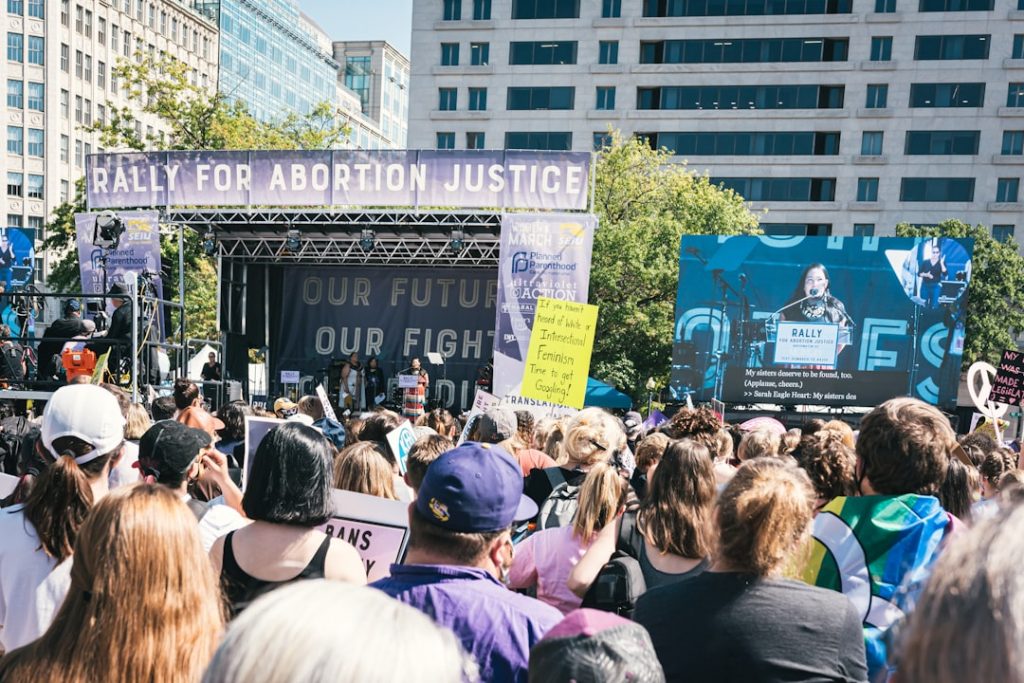
- Support beyond your matches. Donate to queer and trans organizations if you can. Show up for local campaigns. Vote with LGBTQ+ rights in mind. Challenge harmful jokes or comments in your friend groups.
- Protect each other. Share safety tips. Believe survivors. Offer to accompany someone to a clinic or appointment. Normalize asking, “What do you need?” instead of assuming.
LGBTQ+ rights are not a niche issue or a “special interest”—they’re about the fundamental question of whose humanity is fully recognized. When we build a world that’s safer and more affirming for queer and trans people, we build a world that’s better for everyone: more honest, more creative, more compassionate.
So as you swipe, flirt, and fall in (and out of) love, take a moment to look up from the screen and ask yourself: What kind of world do I want my relationships to exist in? And what’s one small step I can take—today—to move us closer to that world?
The future of love is not just something that happens to us. It’s something we make, together.
Photo by Gayatri Malhotra on Unsplash
Stay Connected with Flamr
Don’t forget to follow Flamr on social media!
Relacionado
Discover more from Fyra - Dating App for Progressives
Subscribe to get the latest posts sent to your email.