Why Progressive Community Events Matter for Your Dating Life (and Beyond)
Progressive dating isn’t just about swiping on people who share your values; it’s about actually living those values in community. Whether you care about climate justice, racial equity, queer liberation, disability rights, reproductive justice, or mutual aid, getting involved locally can deepen your sense of purpose—and connect you with people who see the world in similar ways.
Community events are where friendships, collaborations, and yes, relationships, often begin. You’re side by side with others, doing something that matters, seeing how people show up when it counts. That’s a much better compatibility test than a perfectly curated profile.
Below are types of progressive events to look for, how to find them, how to get involved (even if you’re shy or brand new), and ways to participate both online and in person.
Types of Progressive Community Events to Explore
Progressive spaces are diverse, and there’s no one “right” way to get involved. Try a mix and see what feels energizing, sustainable, and aligned with your values and access needs.
-
Mutual Aid and Community Care
Mutual aid projects focus on neighbors supporting neighbors—no charity, no hierarchy, just solidarity. These can include community fridges, clothing swaps, free stores, ride shares, or emergency funds. You might help pack grocery boxes, deliver supplies, or coordinate resources online. These spaces often attract people who care deeply about care work, accessibility, and collective responsibility.
-
Social Justice and Advocacy Events
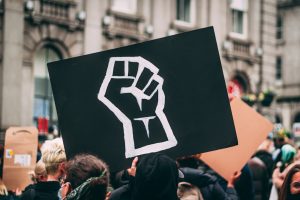
These include rallies, marches, teach-ins, town halls, and policy-focused workshops. You might attend a reproductive justice teach-in, a racial equity training, or a climate action planning session. These events can give you language, context, and tools to advocate more effectively—and connect you with people who are similarly engaged.
-
Grassroots Organizing and Campaigns
Local campaigns—like tenant unions, school board advocacy, or workplace organizing—often host strategy meetings, canvassing days, and phone banks. These spaces are great for building long-term relationships because you’re working with the same people over time on shared goals.
-
Identity-Based and Affinity Spaces
Affinity groups center particular communities—such as LGBTQ+ groups, BIPOC-led organizations, disability justice collectives, immigrant rights networks, or queer and trans youth groups. Some are purely social, some are activist-focused, and many are a mix. These spaces can be especially affirming if you’re looking for community where you don’t have to explain your existence.
-
Skill-Sharing, Arts, and Culture Events
Progressive community building isn’t only protests and policy. Look for zine-making workshops, community art builds for demonstrations, political education reading groups, queer film screenings, or storytelling nights. These spaces can feel more relaxed and creative while still grounded in shared values.
-
Wellness, Healing, and Support Spaces
Many progressive communities are intentionally integrating mental health and healing justice. Think trauma-informed yoga, peer support groups, grief circles, or restorative justice circles. These can be deeply grounding, especially if you’re feeling burned out by constant bad news.
How to Actually Find Local Progressive Events
You don’t need a secret invite. A lot of progressive organizing is public and actively seeking new people. Here are practical ways to start:
-
Use Event Platforms
Search platforms like Meetup and Eventbrite using keywords such as “mutual aid,” “climate justice,” “racial justice,” “LGBTQ+,” “tenant union,” “progressive,” or “social justice.” Filter by your city or region and by “free” if you’re on a budget. Many organizations cross-post events here for visibility.
-
Check Local Organization Websites
Look up local chapters of well-known groups (for example, environmental organizations, reproductive justice groups, LGBTQ+ centers, or civil liberties organizations) and check their “Events” or “Get Involved” pages. Many have recurring meetings, volunteer days, and educational programs listed.
-
Follow Social Media and Newsletters
Many grassroots groups organize primarily through Instagram, TikTok, Facebook, or email newsletters. Search hashtags related to your city and interests (for example, #YourCityMutualAid, #YourCityQueerEvents). Once you find one group that aligns with your values, follow them and sign up for their emails—events often cross-pollinate between organizations.
-
Visit Community Hubs
Community centers, co-ops, indie bookstores, queer bars and cafés, and campus centers often have bulletin boards or flyers for upcoming events. Libraries frequently host civic engagement workshops, book clubs, and educational series that lean progressive and inclusive.
-
Ask People You Already Know
If you have even one friend, coworker, or classmate who’s politically engaged, ask where they show up. You can also mention in your dating app profile that you’re interested in mutual aid or community organizing; matches might share their favorite local groups or invite you to events (with your comfort and safety in mind).
Online vs. In-Person: Finding What Works for You
Not everyone can—or wants to—show up in person. Accessibility, health, safety, work schedules, and caregiving responsibilities all matter. The good news: there are many ways to participate.
-
Online Options
Look for virtual teach-ins, webinars, panel discussions, and reading groups. Many organizations host online trainings on topics like anti-racism, digital security, or organizing basics. You can also join online mutual aid efforts (for example, helping with research, graphic design, translation, or social media) or participate in digital campaigns and phone banks. These are especially helpful if you’re introverted, disabled, live in a rural area, or are just testing the waters.
-
In-Person Options
In-person events can create a different kind of connection: shared meals, physical presence, side conversations, and the energy of being together. Start with lower-pressure settings like community potlucks, social hours, or volunteer days at a food bank or community garden. These can be easier to navigate than a loud rally if you’re new or anxious.
-
Hybrid Spaces
Many groups now offer hybrid events, with some people in the room and others on video. If you have access needs, ask whether there’s captioning, ASL interpretation, step-free access, seating, or quiet spaces. Inclusive organizations will welcome these questions and do their best to accommodate.
Tips for First-Timers: Showing Up Without Burning Out
Joining a new space can feel intimidating, especially if you’re worried about “saying the wrong thing” or not knowing enough. You’re not alone—most people feel this way at first. Here are some ways to make it easier:
-
Start Small and Be Honest
You don’t have to commit to a weekly organizing role right away. Attend one event, see how it feels, and be honest about your capacity: “I’m new and learning what I can take on.” Most organizers would rather have someone who shows up consistently in small ways than someone who overcommits and disappears.
-
Go With a Buddy (or Meet One There)
If you’re nervous, invite a friend or a date who shares your values. If you’re going solo, you can still build connections: introduce yourself to a facilitator, ask if there’s a newcomer orientation, or sit near others who seem open to conversation. Many groups have “welcome” volunteers whose role is to help new folks feel comfortable.
-
Ask About Norms and Safety
Before or during the event, you can ask about community guidelines—such as confidentiality, consent, accessibility, and conflict resolution. This is especially important if you’re in a marginalized group and want to know how harm is addressed. Healthy spaces usually have clear norms and are transparent about safety practices.
-
Respect Boundaries (Including Your Own)
Progressive spaces often emphasize consent and boundaries. Avoid pressuring people to share personal stories, give you their contact info, or go out afterward. At the same time, honor your own limits: it’s okay to leave early, take breaks, or say “I’m not comfortable discussing that.” You deserve to feel safe and respected.
-
Learn, Listen, and Stay Curious
You don’t need to have perfect language or a fully developed political analysis to show up. Listen more than you speak at first, especially in spaces that aren’t centered on your own identity. When you make mistakes—and everyone does—apologize, learn, and keep going. Growth is part of the work.
-
Follow Up and Stay Connected
If you liked the event, join the group’s chat, email list, or social media. Say thank you to organizers, ask how you can plug in next time, and consider exchanging contact info with people you clicked with. Community is built over time, not in a single night.
Building a Life (and Love) Rooted in Community
Progressive community involvement isn’t just an “extra” hobby—it can be the backbone of a meaningful life. When you show up, you’re not only working toward a more just world; you’re also surrounding yourself with people who care, who organize, who listen, and who are willing to grow. Those are powerful qualities in friends, partners, and chosen family.
You don’t have to do everything. You don’t have to be at every march or join every committee. Start where you are, with what you have, and what you can sustainably offer. Maybe that’s one online workshop a month, a monthly mutual aid shift, or a reading group that doubles as a social night.
As you explore events through platforms like Meetup and Eventbrite, local organization websites, and community hubs, let your curiosity lead. Say yes to the spaces that feel grounded, inclusive, and aligned with your values. Say no to what drains you. Over time, you’ll find your people—and maybe meet someone special—while helping build the kind of world you both want to live in.
Photo by Stem List on Unsplash
Stay Connected with Flamr
Don’t forget to follow Flamr on social media!
Relacionado
Discover more from Fyra - Dating App for Progressives
Subscribe to get the latest posts sent to your email.