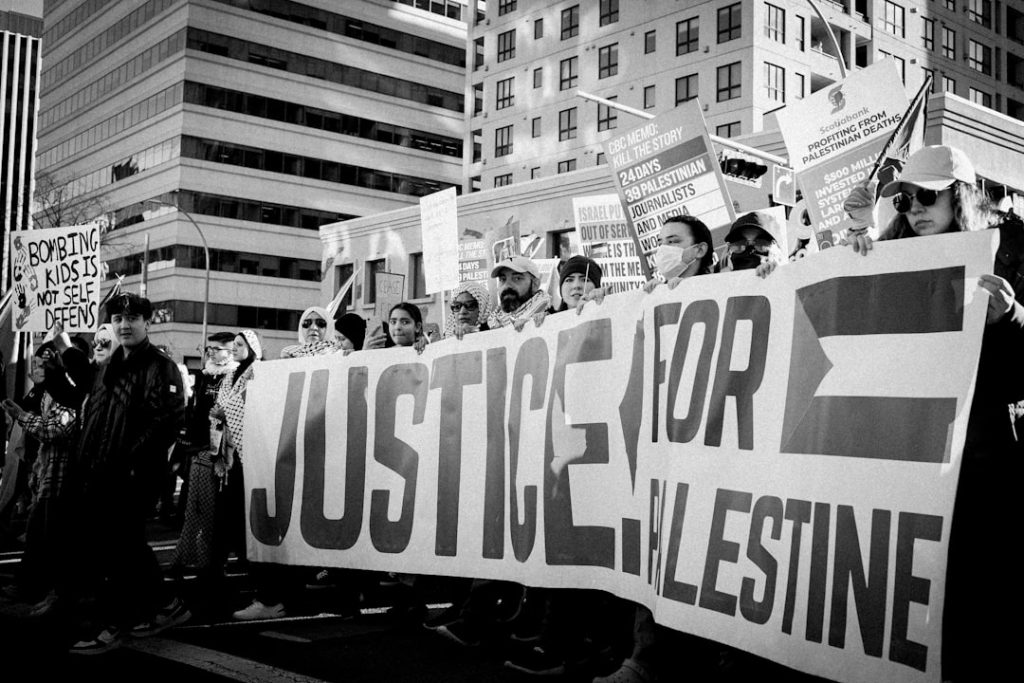
Love, Liberation, and the Fight for LGBTQ+ Rights
Dating apps are supposed to be about connection: that electric moment when you realize someone sees you, really sees you, for who you are. But for LGBTQ+ people, the path to being seen—and safe—has never been just about romance. It’s been about survival, dignity, and the right to live and love openly.
In a world where your pronouns, your partner, or your gender expression can still put you at risk, every swipe, message, and relationship exists inside a larger struggle for justice. LGBTQ+ rights aren’t a “special interest” issue—they’re a lens on what kind of society we’re building together, and whether love is truly free.
How We Got Here: A Brief History of Queer Resistance
The story of LGBTQ+ rights is a story of people insisting on their humanity in systems that erased them. From the early homophile organizations of the mid-20th century to the Stonewall uprising, queer and trans communities have long understood that visibility and safety are deeply political.
For decades, criminalization, pathologization, and violence shaped queer life. Laws against “sodomy” and “cross-dressing,” state surveillance, medical abuse, and forced invisibility marked everyday existence. Many people lived double lives—one for survival, one for truth.
The HIV/AIDS crisis exposed the brutality of indifference and the power of collective care. While governments failed and stigma spread, queer and trans communities built networks of mutual aid, demanded medical research and humane policies, and reshaped public health. Activists forced the world to see that whose lives are valued is always a political choice.
In the last few decades, there have been monumental shifts: the decriminalization of same-sex relationships in many countries, legal recognition of same-sex marriage, anti-discrimination protections in workplaces and schools, and growing cultural acceptance. Trans and nonbinary people have brought conversations about gender into mainstream culture, challenging long-standing assumptions about who we’re allowed to be.
These victories matter. They’re the reason many queer and trans people can date more openly, come out younger, and imagine futures that were once unthinkable. But progress has never moved in a straight line, and rights once thought secure are now under renewed attack.
The Present: Progress and Backlash, Side by Side
Today’s landscape is complicated. In some cities, Pride flags fly from public buildings, gender-neutral bathrooms are standard, and queer couples walk down the street holding hands without a second thought. In other places—and often within the same country—LGBTQ+ people face escalating hostility, censorship, and violence.
We’re living through a moment of intense backlash. Hard-won rights are being challenged in courts and legislatures. Trans youth are particularly targeted: barred from sports, denied gender-affirming care, and turned into political talking points rather than treated as human beings. Books with queer and trans characters are being banned. Teachers are being silenced. Drag performers are harassed and criminalized.
This backlash isn’t random; it’s strategic. LGBTQ+ communities are being used as scapegoats to distract from deeper systemic problems—economic inequality, climate crisis, failing healthcare, crumbling social safety nets. When people are afraid or struggling, it can be politically convenient to point the blame at those who are already marginalized.
At the same time, there’s unprecedented visibility and solidarity. More people than ever identify as LGBTQ+. More families are affirming their kids. More allies understand that queer and trans liberation is connected to racial justice, disability justice, reproductive freedom, and economic equality. Online and offline, people are building communities that refuse to accept a future that turns back the clock.
Dating apps sit right in the middle of this moment. They can be spaces of discovery and affirmation—or spaces of harm. They can reinforce biases or challenge them. They can mirror the inequalities of the world, or help us imagine something better.
Love as a Political Act: Why LGBTQ+ Rights Matter in Dating Spaces
It might be tempting to think of dating as separate from politics: a private, personal realm where we escape the chaos of the world. But for many LGBTQ+ people, there’s no such thing as “leaving politics at the door.” Identity, safety, and desire are deeply intertwined.
Consider how power shows up in dating:
- Safety and disclosure: For some, coming out on a profile is liberating. For others, it’s dangerous. The risk of harassment, outing, or violence is real—especially for trans people, people of color, migrants, and those in conservative or criminalizing environments.
- Bias and exclusion: Racism, fatphobia, transphobia, ableism, and femmephobia shape who is seen as “desirable.” Profiles saying “no fats, no femmes,” “no Blacks/Asians,” or “real women only” aren’t just personal preferences—they’re expressions of systemic prejudice.
- Visibility and erasure: Nonbinary people, bi+ folks, and asexual or aromantic people often experience erasure in dating spaces, forced into boxes that don’t fit or told their identities aren’t “real.”
- Legal and economic barriers: Immigration status, healthcare access, housing stability, and employment protections all affect whether someone can safely date, cohabit, marry, or parent with their partner.
When we say we care about LGBTQ+ rights in dating spaces, we’re talking about more than rainbow filters. We’re talking about:
- Designing apps that allow for nuanced gender identities and sexual orientations.
- Building robust tools to report harassment and hate, and actually acting on them.
- Challenging the norms that say some bodies and identities are more “dateable” than others.
- Creating safer ways for people in hostile environments to connect without being outed.
In this sense, choosing to see and honor the full humanity of LGBTQ+ people—on a date, in a chat, in a relationship—is a political act. It’s a refusal to accept a world where some people’s love is treated as less real, less worthy, or less safe.
Imagining a Queerer Future: Beyond Tolerance Toward Liberation
The goal isn’t just to “include” LGBTQ+ people in existing systems; it’s to transform those systems so that everyone can thrive. That vision goes far beyond marriage equality or representation in media.
A liberatory future for LGBTQ+ people could look like:
- Healthcare that affirms all bodies and genders: Accessible, affordable, competent care, including gender-affirming services, mental health support, and HIV prevention and treatment—without stigma or gatekeeping.
- Schools where queer and trans youth are safe and celebrated: Comprehensive, inclusive education; policies that protect students from discrimination; teachers empowered to affirm students rather than punished for it.
- Workplaces that recognize reality: Policies that respect pronouns, chosen names, and transitions; equal benefits for all kinds of families; and zero tolerance for harassment.
- Housing and economic security: Protection from eviction and discrimination, support for youth experiencing homelessness (disproportionately LGBTQ+), and economic policies that don’t leave queer and trans people behind.
- Digital spaces built with care: Platforms that anticipate harm and design against it, rather than waiting for people to be hurt; algorithms that don’t amplify hate; and privacy protections that safeguard those at risk.
This future isn’t guaranteed. It will take organizing, voting, mutual aid, storytelling, policy change, and everyday acts of courage. But it’s already being built—in queer community centers, in group chats, in chosen families, in activist networks, in classrooms, and yes, in dating apps where people are redefining what love and partnership can look like.
Hope here isn’t naïve optimism; it’s a practice. It’s the decision to keep imagining and building a world where no one has to choose between safety and authenticity, between love and survival.
What We Can Do: Turning Values into Action
If you’re reading this on a dating app blog, you’re already part of this ecosystem. Whether you’re LGBTQ+ yourself, questioning, or an ally, you have power—however small it might feel—to shape what love looks like in your corner of the world.
Some ways to start or deepen that practice:
- Reflect on your own biases: Whose profiles do you swipe past without thinking? What assumptions do you make about gender, bodies, or roles in relationships? How might those be shaped by systems of oppression rather than your true desires?
- Use inclusive language: On your profile and in your messages, avoid assumptions about gender, pronouns, or roles. Ask rather than guess. Normalize sharing your pronouns.
- Challenge harmful behavior: If you see transphobic, racist, or otherwise hateful content on an app, report it. If it feels safe, call it out. Silence can be read as acceptance.
- Support LGBTQ+ organizations: Donate if you can. Volunteer. Share resources. Many groups are on the front lines fighting legal attacks, providing housing and healthcare, and creating safer spaces.
- Stay informed and vote: Local and national policies directly shape LGBTQ+ lives—from healthcare access to school curricula to anti-discrimination laws. Use your voice and your vote with that in mind.
- Practice everyday solidarity: Believe people about their experiences. Respect boundaries. Show up for your friends and partners when systems fail them. Celebrate their joy, not just their resilience.
Love isn’t separate from justice; it’s one of its most powerful expressions. Every time we choose to see someone fully, to affirm their identity, to honor their boundaries, and to fight for their safety, we’re practicing a politics of care.
So the next time you open a dating app, take a moment. Ask yourself: What kind of world am I helping to build here? How can my choices—who I match with, how I speak, what I stand up for—move us closer to a future where every queer and trans person can love and be loved without fear?
The struggle for LGBTQ+ rights is far from over, but it’s also far from hopeless. It lives in courtrooms and protests, yes—but also in first dates, late-night conversations, breakups handled with care, and relationships built on mutual respect. It lives in you.
Carry that awareness with you. Let it shape how you show up—for yourself, for your partners, and for the wider community. The world we’re fighting for is one where love isn’t a risk or a privilege; it’s a right, and a shared responsibility.
Photo by Tristan Sosteric on Unsplash
Stay Connected with Flamr
Don’t forget to follow Flamr on social media!
Relacionado
Discover more from Fyra - Dating App for Progressives
Subscribe to get the latest posts sent to your email.