Love, Liberation, and the Long Fight for LGBTQ+ Rights
Dating has never just been about two people. Who we’re allowed to love, how we’re allowed to show up in public, and whether our relationships are recognized and protected by law are all shaped by power, politics, and culture. For LGBTQ+ people, every swipe, every first date, every “meet my family” conversation still carries echoes of a long struggle for basic recognition and safety.
On a progressive dating app, it can be easy to assume we’re all on the same page about LGBTQ+ rights. But “love is love” is only the beginning of the story. Behind that slogan is a deeper question: what does it mean to build a world where all relationships, identities, and bodies are treated with dignity and care?
This isn’t just about policy; it’s about how we show up for each other in our everyday lives, including our romantic ones. As we navigate matches, messages, and relationships, we’re also navigating history, systems, and futures we’re helping to shape.
From Criminalization to Visibility: How We Got Here
The fight for LGBTQ+ rights is often told as a neat progression: from the Stonewall uprising in 1969 to marriage equality decades later. But the real story is messier—and more instructive.
For much of modern history, queer and trans people were criminalized, pathologized, or erased. Laws punished same-sex relationships, cross-dressing, and gender nonconformity. Medical institutions labeled queer identities as illnesses. Police raids, forced outings, and family rejection were common. Many LGBTQ+ people built hidden networks of care and community just to survive.
Key moments changed the trajectory:
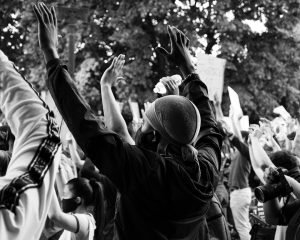
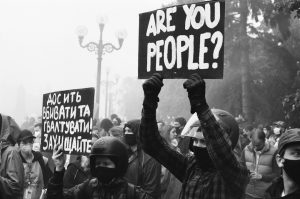
- 1960s–1980s: Uprisings and organizing—from Stonewall to countless lesser-known protests—sparked modern LGBTQ+ movements. The HIV/AIDS crisis exposed government neglect and fueled powerful activism that demanded care, research, and respect.
- 1990s–2010s: Legal wins and cultural shifts brought anti-discrimination protections in some places, the repeal of “Don’t Ask, Don’t Tell,” and eventually marriage equality in many countries. Visibility in media and politics grew, though unevenly and often centering white, cisgender, middle-class experiences.
- Trans and nonbinary visibility: As trans and nonbinary communities pushed for recognition, conversations about gender identity, healthcare access, and safety came into sharper focus. At the same time, backlash intensified.
History matters because it reminds us that the rights many enjoy today were neither inevitable nor universal. Progress has always been contested, incomplete, and unevenly distributed—often leaving behind those most marginalized: Black and Brown queer and trans people, disabled LGBTQ+ folks, undocumented people, sex workers, and those living in poverty.
The Current Landscape: Progress and Backlash in the Same Breath
We live in a paradox. In many cities and online spaces, queer and trans communities are more visible than ever. Pride flags hang in classrooms and workplaces. Many people now proudly list their pronouns. Dating apps offer gender-expansive options and same-gender matching as a default. For some, being out at work or with family is possible in ways that would have seemed unimaginable a generation ago.
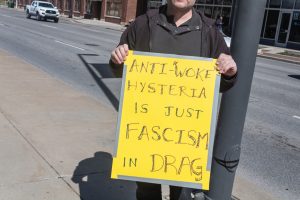
At the same time, there is a fierce backlash. Anti-trans legislation, book bans, attacks on drag performances, and efforts to roll back protections for LGBTQ+ students and workers are spreading in multiple regions. Trans youth, in particular, are being targeted—denied affirming healthcare, sports participation, and even the right to be called by their chosen names and pronouns in school.
For queer and trans people navigating dating right now, this contradiction is deeply felt. A few realities coexist:
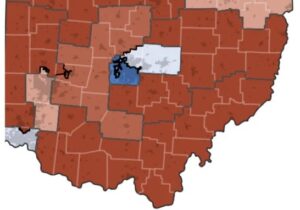
- Legal protections vary wildly. In some places, LGBTQ+ people have robust protections in employment, housing, and healthcare. In others, there are few or none—and in some regions, same-sex relationships remain criminalized or socially dangerous.
- Mental health impacts are real. Constant public debate about your right to exist—especially for trans and nonbinary people—takes a toll. Higher rates of depression, anxiety, and suicidality among LGBTQ+ youth aren’t inherent to queerness; they’re a response to stigma, isolation, and violence.
- Intersectionality isn’t optional. The risks and realities of being LGBTQ+ are shaped by race, class, disability, religion, immigration status, and geography. A Black trans woman in a rural town faces different dangers and barriers than a white cis gay man in a major city—even though both are part of the same broader community.
- Online spaces are double-edged. Dating apps and social platforms can be lifelines, especially for people in hostile environments. They can also be sites of harassment, fetishization, and outing.
So when we talk about LGBTQ+ rights in 2026, we’re not just talking about laws. We’re talking about whether someone can hold their partner’s hand in public without fear. Whether a nonbinary person’s identity is respected on a first date. Whether a trans person can safely access the healthcare they need to feel at home in their body. Whether a queer teen can imagine a future where they are loved, supported, and alive.
Dating as a Political and Personal Practice
On the surface, dating feels personal: chemistry, attraction, shared interests. But who we see as “dateable,” how we talk about identity, and what we consider “normal” or “desirable” are all shaped by culture and power. That means our choices can either reinforce or challenge the systems that marginalize LGBTQ+ people.
Some questions worth sitting with:
- Who do you consider “your type”? Are your preferences shaped by stereotypes about gender, race, body size, or disability? Are you unconsciously excluding queer or trans people because you’ve absorbed narrow ideas of what relationships should look like?
- How do you talk about identity in your profile? Do you signal that you’re affirming of LGBTQ+ people? Do you share your pronouns? Do you avoid assumptions about who someone is based on their name, photo, or voice?
- How do you respond when someone comes out to you? If a match shares that they’re bi, trans, nonbinary, or questioning, do you meet that with curiosity and respect—or distance and discomfort?
- Do you treat LGBTQ+ people as whole humans? Are you fetishizing or tokenizing (“I’ve always wanted to date a trans person” or “I want a queer best friend”), or are you genuinely open to connection?
Even small choices can shift culture. Choosing to date someone openly in a context where that’s still stigmatized. Standing up to a friend’s “joke” about pronouns. Including your pronouns in your bio without making it a big performance. Asking someone how they’d like to be referred to, and then actually honoring it.
These actions don’t replace policy change, but they create the everyday conditions in which LGBTQ+ people can feel safer, more seen, and more loved.
Imagining a Future Where All Love Is Safe
Hope isn’t a denial of danger; it’s a refusal to let danger have the last word. The future of LGBTQ+ rights will be shaped by the choices we make now—individually and collectively.
A more liberated future for queer and trans people could look like:
- Laws that protect everyone, everywhere. Comprehensive anti-discrimination protections in housing, employment, healthcare, and education. Legal recognition of diverse family structures and genders. Decriminalization of same-sex relationships and gender variance globally.
- Healthcare that affirms, not erases. Accessible, evidence-based gender-affirming care for those who want it; culturally competent mental health support; and healthcare systems that recognize LGBTQ+ needs without stigma.
- Education that tells the full story. Schools where queer and trans histories are taught, where LGBTQ+ students see themselves reflected and respected, and where inclusive sex education is the norm, not the exception.
- Technology that protects and uplifts. Dating apps and platforms that prioritize safety for LGBTQ+ users, invest in moderation that addresses harassment and hate, and design features with queer and trans communities at the table.
- Culture that celebrates complexity. Media and art that move beyond single-story representations—showing LGBTQ+ people as parents, workers, students, elders, disabled, religious, joyful, messy, ordinary, extraordinary.
None of this is guaranteed. But it’s possible—and in many places, already emerging—because people are organizing, voting, creating, loving, and refusing to disappear.
Where You Come In: Reflect, Relearn, and Show Up
Whether you’re LGBTQ+ yourself or a cishet ally, your romantic life is part of this broader story. You don’t have to be an activist to contribute to a more just world for queer and trans people; you just have to be willing to reflect, relearn, and act.
Consider taking one or more of these steps:
- Examine your assumptions. Notice where you might be carrying biases about gender, sexuality, or relationships. Ask yourself where those ideas came from—and whether they’re aligned with the kind of person you want to be.
- Update your language. Practice using people’s pronouns correctly. Avoid making assumptions about someone’s gender or the gender of their partners. Learn the terms your friends and matches use for themselves, and follow their lead.
- Support LGBTQ+ communities materially. Donate to local queer and trans organizations. Show up to events when you can. Support LGBTQ+-owned businesses. Vote for policies and candidates that protect LGBTQ+ rights.
- Create safer dating experiences. On apps and in person, be clear that you’re affirming. Call out harassment when you see it. Believe people when they share experiences of discrimination or violence.
- Listen more than you speak. If someone trusts you enough to share a part of themselves, treat that as the gift it is. You don’t need to have the perfect response; you just need to be present, curious, and respectful.
Love—romantic, platonic, communal—is one of the most powerful forces we have. The fight for LGBTQ+ rights is, at its core, a fight for the freedom to love and be loved without fear, shame, or erasure.
As you swipe, flirt, date, and dream about the connections you want to build, take a moment to ask yourself: What kind of world am I helping create through the way I show up in my relationships? The answer won’t always be perfect, but it can always be more honest, more courageous, and more aligned with the liberation we say we believe in.
The future of LGBTQ+ rights isn’t abstract or distant. It’s unfolding in our messages, our first dates, our breakups, our chosen families, and our everyday choices. You’re already part of that story. The question is: how do you want to write your chapter?
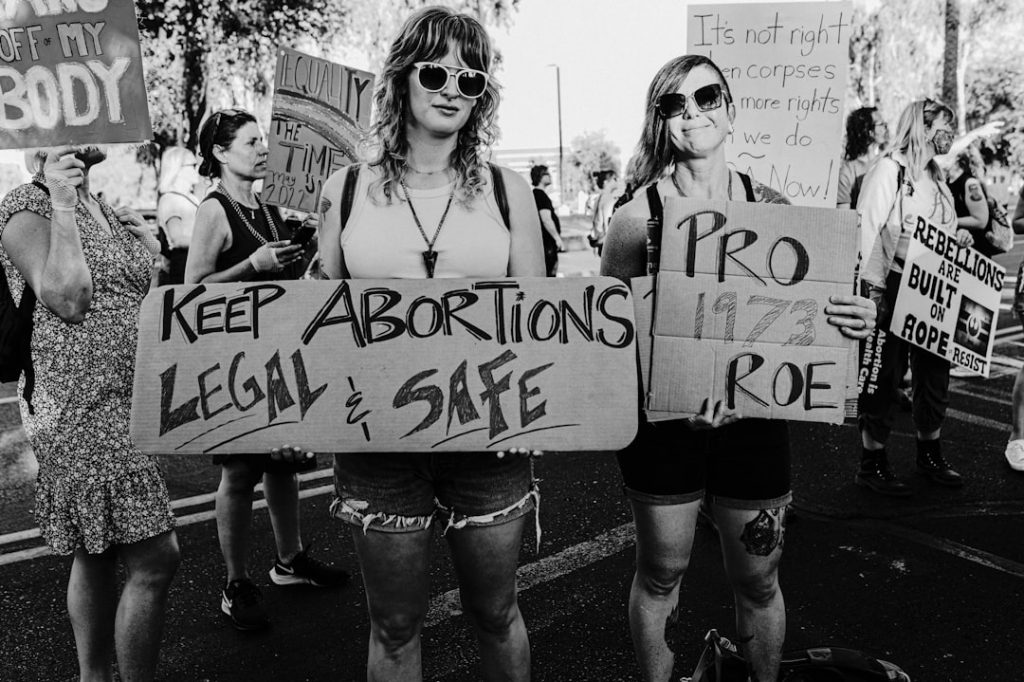
Photo by Lauren Mitchell on Unsplash
Stay Connected with Flamr
Don’t forget to follow Flamr on social media!
Relacionado
Discover more from Fyra - Dating App for Progressives
Subscribe to get the latest posts sent to your email.