Love in a Warming World: Dating in the Age of Climate Justice
Dating apps used to ask simple questions: “Dogs or cats?” “Beach or mountains?” “Introvert or extrovert?” Now, more and more profiles include a different kind of filter: “Climate justice is non-negotiable.” “No climate deniers.” “Looking for someone to split a CSA share and maybe dismantle fossil capitalism with.”
That shift isn’t just about politics creeping into romance. It’s a reflection of how deeply the climate crisis has become woven into our sense of safety, future, and love. When the planet’s stability feels uncertain, it changes how we imagine partnership, family, and even joy. But it also opens up new ways to connect—with each other and with movements for justice.
From “Environmentalist” to Climate Justice
For a long time, mainstream environmentalism in wealthy countries focused on conservation: saving forests, cleaning up rivers, protecting endangered species. Important work—but often disconnected from the communities most impacted by pollution and climate change. Environmental groups were frequently white-led, middle-class, and centered on lifestyle changes like recycling or “going green.”
Climate justice emerged from a different lineage: the struggles of Black, Indigenous, and working-class communities who have long lived on the frontlines of environmental harm. From Cancer Alley in Louisiana to Indigenous land defenders resisting pipelines, people have been saying for decades: the environment is not separate from our bodies, our neighborhoods, or our rights. Climate change isn’t just a scientific issue; it’s a justice issue.
That perspective reshapes the questions we ask:
- Who breathes the dirtiest air, and why?
- Whose homes are most likely to flood, and who gets rebuilt?
- Who works in the hottest fields and factories, and what protections do they have?
- Who controls the decisions about energy, land, and water?
Climate justice says: the same systems that created racial inequality, colonialism, and economic exploitation are driving the climate crisis. And any solution that doesn’t address those root causes will be incomplete—and likely unjust.
Dating While Everything Feels On Fire
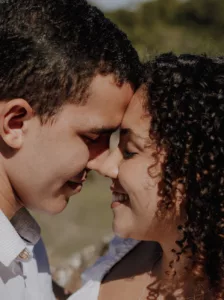
If you’ve ever been on a date where someone casually says, “I don’t really think climate change is a big deal,” you know how jarring it can be. For many people—especially younger generations—climate awareness is no longer a niche interest; it’s a core value. It shapes whether you want kids, where you want to live, what work you pursue, and how you spend your time and money.
That doesn’t mean everyone has to be a full-time activist. But it does mean that climate consciousness is becoming a compatibility question. Some people are asking:
- Can I build a future with someone who isn’t worried about the planet we’ll live on?
- Will we support each other through climate anxiety and grief?
- Are we aligned on how much we want to engage in social change versus “just surviving”?
At the same time, constant doom-scrolling and “climate catastrophe” headlines can create a sense of paralysis. How do you talk about the future with someone you’re just starting to like when the future itself feels uncertain? How do you plan a life when the map is shifting under your feet?
One answer is to broaden what we mean by “romantic compatibility.” It’s not only about shared hobbies or taste in music; it’s about shared commitments, shared courage, and shared care—for each other and for the world.
Love as a Climate Strategy
There’s a quiet, radical idea here: that love itself—who and how we love—can be part of our response to the climate crisis. Not in a vague “love will save the world” way, but in concrete, relational ways that shape our daily lives and our collective power.
In relationships, that might look like:
- Practicing mutual care in unstable times. Checking in about climate anxiety, making space for grief and fear, and reminding each other that it’s okay to feel overwhelmed—and that rest is part of resistance.
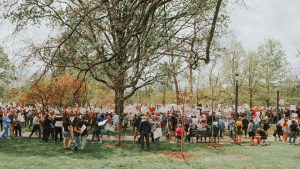
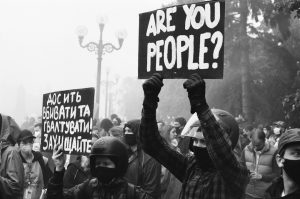
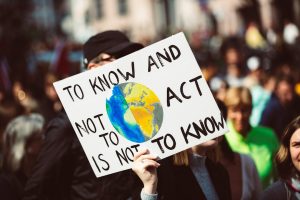
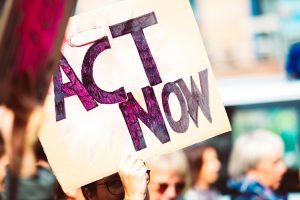
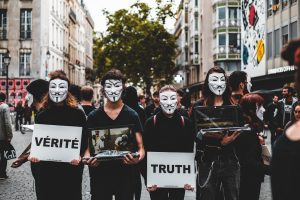
- Choosing how to show up together. Maybe you attend a climate march as a date. Maybe you join a local tenants’ union fighting for heat protections in summer. Maybe you decide to shift your banking away from fossil-fuel funders. The point isn’t perfection; it’s partnership.
- Reimagining “success.” Instead of defining a “good life” as endless consumption, you might prioritize community, shared resources, and time over stuff. That can be deeply romantic: building a life that is gentler on the planet and more generous to others.
Love can also be a way we refuse the isolation that climate chaos tries to impose. Heatwaves, storms, wildfires—these events can make us feel small and alone. But building relationships rooted in solidarity reminds us that we are part of something larger than ourselves.
Where We Are Now—and What Could Be Next
The climate justice landscape today is complicated. On one hand, fossil fuel companies continue to profit, and governments often move too slowly. Communities of color, low-income neighborhoods, and countries in the Global South still bear the brunt of climate impacts despite contributing the least to the crisis.
On the other hand, there are real reasons for hope:
- Movement power is growing. Youth-led climate strikes, Indigenous land defense, and local climate justice organizations have pushed climate into the mainstream and won meaningful victories—from halting pipelines to advancing just transition policies.
- Justice is reshaping policy conversations. Ideas like a Green New Deal, energy democracy, and climate reparations have moved from the margins toward serious debate, centering jobs, housing, and racial justice alongside emissions cuts.
- Technology and imagination are expanding. Rapid growth in renewable energy, community solar projects, and climate-resilient design is showing what a different future might look like—not just less harmful, but more equitable and beautiful.
For those navigating dating and relationships in this moment, the question becomes: how do we live as if that better future is possible, even when it’s not guaranteed? How do we let that possibility shape the way we show up for each other right now?
It might mean being honest about your own limits and capacities. You don’t have to have the “perfect” climate lifestyle to care deeply. You might be juggling multiple jobs, caregiving, or mental health challenges. Climate justice is about changing systems so that sustainable choices are the easy choices—not about individual purity tests.
What matters is alignment in values and a willingness to grow. A relationship can be a place where you experiment together: trying new ways of living, supporting local mutual aid, connecting with neighbors, rethinking what “security” means. Instead of asking, “Are we doing enough?” you might ask, “How can we keep moving, imperfectly, in the direction of justice?”
Swipe, Match, Organize: A Quiet Invitation
Dating apps are often framed as superficial spaces, but they can also be portals into deeper conversations. When you say in your profile that climate justice matters to you, you’re not just listing a preference; you’re extending an invitation: “I want to build something that’s not only good for us, but good for others too.”
That doesn’t mean every date has to turn into a strategy meeting. There’s still room for flirting, silliness, and pleasure. In fact, joy is part of what we’re fighting for. Climate justice isn’t just about preventing harm; it’s about making it possible for more people to live safe, joyful, connected lives.
So as you swipe, chat, and meet up, you might quietly hold a few questions:
- How does this person talk about the future—and who they imagine in it?
- Do they recognize that climate impacts are unequal, and does that matter to them?
- Can we support each other in staying awake to the world without burning out?
And beyond dating, you might ask yourself:
- What local climate justice groups or mutual aid networks could I learn from or support?
- How can I connect my personal choices (where I live, how I move, where I bank or work) to broader campaigns for change?
- Who in my life—friends, partners, family—could I invite into these conversations with care and curiosity, not judgment?
The climate crisis can make the future feel fragile. But it also clarifies what matters: connection, courage, care, and a commitment to each other’s dignity. When we bring those values into our dating lives, we’re not just looking for someone to share a bed or a brunch with. We’re looking for someone to share a world with—and maybe, in small and steady ways, to help remake that world together.
As you navigate love in a warming world, consider this your gentle call to action: let your values show up in your profile, your conversations, your choices. Seek out people who see climate justice not as an optional add-on, but as part of what it means to build a meaningful life. And wherever you are—single, coupled, poly, questioning—remember that you are not alone in wanting a livable, just future.
The next time you match with someone, you might try asking not just, “What are you looking for?” but also, “What kind of world are you hoping we get to live in—and how do you want to help us get there?” The answers to that question might just be the real spark you’re looking for.
Stay Connected with Flamr
Don’t forget to follow Flamr on social media!
Relacionado
Discover more from Fyra - Dating App for Progressives
Subscribe to get the latest posts sent to your email.