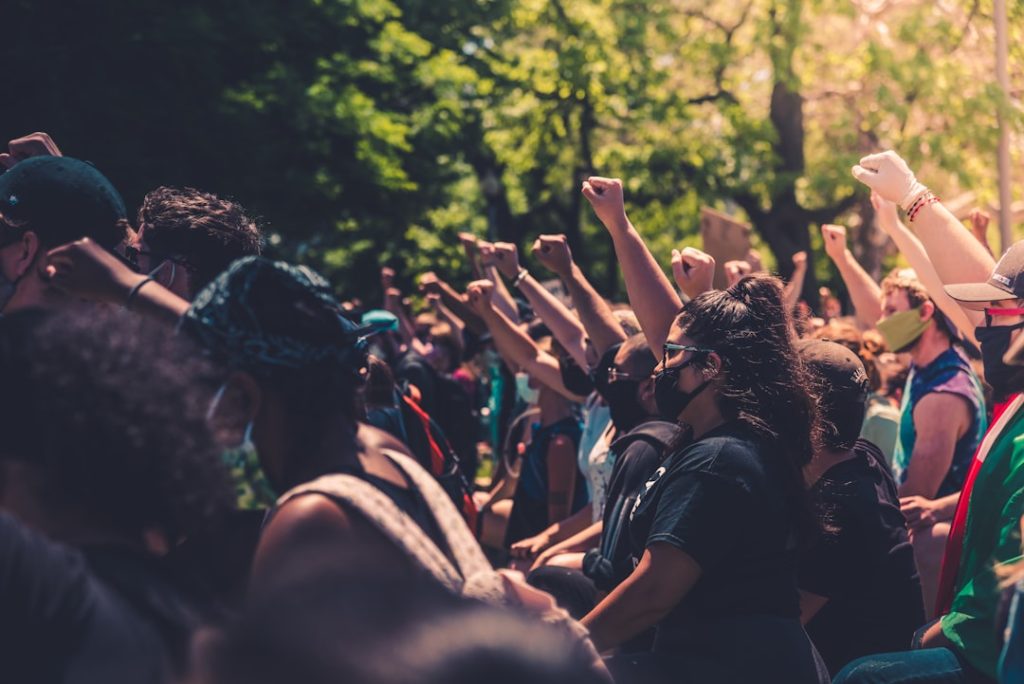
Why Progressive Community Events Matter (And Why They’re Great for Your Dating Life)
Progressive community spaces are about more than politics or policy—they’re about connection. When you show up to a climate rally, a mutual aid packing party, or a queer film night, you’re stepping into rooms filled with people who care about justice, equity, and building a better world. That’s powerful energy to share with someone you’re interested in—or to soak up on your own.
Whether you’re newly engaged in activism or you’ve been organizing for years, community events can help you:
- Meet people who share your values and vision for the world
- Deepen your understanding of issues you care about
- Build local support networks and friendships
- Turn online beliefs into real-world action
Below are different types of progressive events, how to find them, and how to get involved—whether you’re going solo, with friends, or on a date.
Types of Progressive Community Events to Explore
Progressive communities are diverse, and so are their events. You don’t have to be a seasoned organizer or extrovert to participate—there’s a space for every personality, schedule, and comfort level.
1. Mutual Aid and Community Care
Mutual aid is about neighbors supporting neighbors, outside of traditional institutions. These events can be especially grounding and hopeful.
- Food and supply distributions: Packing and distributing groceries, hygiene kits, or school supplies.
- Community fridges and free stores: Stocking, organizing, or maintaining shared resources.
- Skill shares: Free workshops where people teach skills like bike repair, budgeting, or language basics.
2. Social Justice Workshops and Teach-Ins
If you’re curious, learning, and open to growth, educational events can be a powerful entry point.
- Anti-racism trainings and reading groups
- Workshops on gender diversity, disability justice, or transformative justice
- Teach-ins on climate justice, labor rights, housing, or immigration
These spaces are often structured, facilitated, and designed to be welcoming for people at different stages of their political journey.
3. Creative and Cultural Events
Art and culture have always been at the heart of progressive movements. If you’re more into creativity than clipboards, start here.
- Queer and trans open mics, drag shows, and cabarets
- Social-justice-themed film screenings and panel discussions
- Poetry slams, zine fairs, and community art builds for protests
These events are often low-pressure, expressive, and fun—perfect for a first-time outing or a date that’s more meaningful than just drinks.
4. Direct Action and Civic Engagement
When you’re ready to step into more public-facing spaces, there are many ways to plug in.
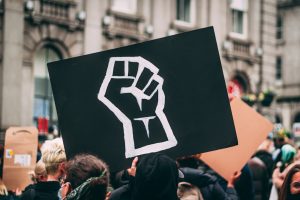
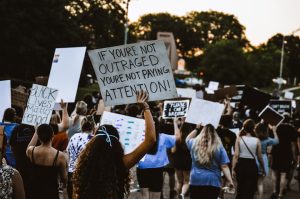
- Rallies, marches, and demonstrations
- Canvassing, phone banking, and text banking for campaigns or ballot initiatives
- Voter registration drives and civic education events
These spaces can be intense, energizing, and deeply bonding. If you attend with someone you’re dating, talk beforehand about comfort levels and safety plans.
5. Social and Support Spaces
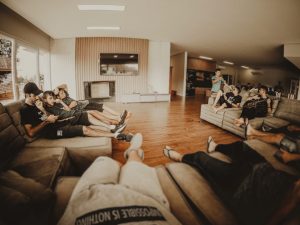
Not everything has to be a protest or meeting. Community is also built through joy, rest, and mutual support.
- Meetups for LGBTQ+ folks, BIPOC communities, immigrants, or other marginalized groups
- Affinity groups (e.g., queer hikers, leftist book clubs, feminist game nights)
- Support circles and peer-led groups for mental health, survivors, or caregivers
These spaces can be especially meaningful if you’re looking for connection beyond small talk and want to show up as your full self.
How to Find Local Progressive Events (Online and IRL)
You don’t need to know the “right” people to get involved. Many groups are actively looking for new faces and make their events public and accessible.
Start with general event platforms:
- Meetup: Search for terms like “social justice,” “LGBTQ+,” “mutual aid,” “climate action,” “feminist,” or “progressive politics.” Filter by your city and interests.
- Eventbrite: Many nonprofits, grassroots orgs, and progressive campaigns list workshops, film screenings, and fundraisers here.
- Facebook Events / Groups: Local activist groups and community centers often post public events; search by keywords and location.
Check local organizations and spaces:
- Community centers and libraries: Many host free talks, mutual aid efforts, and civic engagement events.
- LGBTQ+ centers and cultural organizations: Look for support groups, social events, and educational programs.
- Local nonprofits and advocacy orgs: Visit their websites or sign up for newsletters—many have event calendars.
- University or college groups: Student orgs often open events to the wider community, especially teach-ins and panels.
Explore online-first communities:
- Virtual workshops and webinars: Many organizations now offer online trainings on topics like bystander intervention, digital security, and anti-oppression.
- Online reading groups and discussion circles: Hosted via platforms like Zoom, Discord, or specialized community platforms.
- Issue-based networks: Climate justice, reproductive rights, disability justice, and other movements often have national or global online events you can join from anywhere.
If you’re using a dating app with a progressive community, you can also:
- Mention your interests in mutual aid, organizing, or community art in your profile.
- Suggest a low-pressure event as a first or second date, like a fundraiser show or a teach-in.
- Check if the app has event listings, partner orgs, or community spotlights you can tap into.
Showing Up for the First Time: Tips for Newcomers
Entering a new community space can feel intimidating, especially if you’re worried about not knowing enough, not knowing anyone, or saying the wrong thing. That’s normal—and you’re not alone.
1. Start with your comfort zone
If big crowds are overwhelming, begin with a workshop, small reading group, or volunteer shift instead of a huge rally. If you’re more social, try a meetup or social event where mingling is expected.
2. Go with a buddy (or a date)
Ask a friend, match, or partner if they’d like to join. Set expectations ahead of time—how long you want to stay, what you’re excited or nervous about, and how you’ll check in with each other if things feel intense.
3. Respect the space and the people in it
- Read the event description and any community guidelines beforehand.
- Follow accessibility and safety requests (masking, scent-free spaces, photo policies, etc.).
- Listen more than you speak at first, especially if you’re entering spaces centered on communities you’re not part of.
4. Introduce yourself honestly
You don’t need to perform expertise. It’s okay to say, “I’m new to this and I’m here to learn and help.” Many organizers are excited to welcome new people and will point you toward ways to get involved.
5. Pace yourself and practice care
Burnout is real. You don’t have to attend every event or take on every task. It’s okay to pick one or two things that feel sustainable and meaningful. Taking breaks, setting boundaries, and prioritizing mental health are all part of long-term community building.
Building Community, Not Just a Calendar
The goal isn’t to collect events like badges; it’s to build relationships. Over time, progressive spaces can become where you find:
- Friends who show up for you in everyday life
- Mentors and collaborators who help you grow
- Romantic and queerplatonic partners who share your values
- A sense of belonging that doesn’t depend on perfection or performance
Community building is slow, relational work. It looks like:
- Checking in on people you meet and following up after events
- Sharing skills, rides, food, and resources when you can
- Admitting mistakes, learning, and apologizing when needed
- Celebrating wins together, big and small
If you’re dating, showing up in these spaces can also help align your love life with your values. It’s one thing to say you care about justice; it’s another to actually share the work, the learning, and the joy with someone else.
You don’t have to have everything figured out to get involved. You don’t have to be the “perfect” activist, organizer, or partner. You just have to start—by showing up, listening, and finding the people who are building the kind of world you want to live in. The rest grows from there.
Photo by Max Bender on Unsplash
Stay Connected with Flamr
Don’t forget to follow Flamr on social media!
Relacionado
Discover more from Fyra - Dating App for Progressives
Subscribe to get the latest posts sent to your email.