Why Progressive Community Events Matter (And How They Can Change Your Dating Life)
Progressive dating isn’t just about swiping on people who share your values—it’s about living those values out loud. Whether you care about climate justice, racial equity, LGBTQ+ rights, reproductive freedom, or disability justice, getting involved in community events is one of the most powerful ways to meet people who care about the same things you do.
Community events can become the backdrop for some of the most meaningful connections in your life: friendships, collaborations, and yes, relationships. You see people in action, not just in a profile bio. You get to notice how they treat others, how they listen, and what they’re willing to show up for. And you get to show up as your full self, too.
Below, you’ll find an overview of progressive event types, how to find them, ways to plug in (online and offline), and tips if you’re attending for the first time—especially if you’re a little nervous or going solo.
Types of Progressive Community Events to Explore
Progressive communities are diverse, and so are their events. You don’t need to be a seasoned organizer to join in—many events are designed with newcomers in mind. Here are some common types:
-
Educational events and teach-ins
Workshops, panel discussions, book talks, and teach-ins are a great starting point. Topics might include:- Intro to mutual aid and community care
- Understanding intersectional feminism
- Climate justice and Indigenous land rights
- Abolitionist perspectives on public safety
These spaces are ideal if you’re curious, want to listen and learn, and aren’t sure where to start.
-
Mutual aid and community care projects
Mutual aid is about people supporting each other directly, outside of top-down charity models. Examples include:- Community fridges and free pantries
- Meal trains and grocery deliveries
- Clothing swaps and free stores
- Fundraisers for community members in crisis
These events often feel less intimidating than big rallies and can be deeply grounding and relational.
-
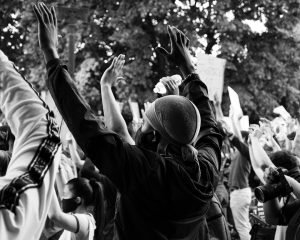
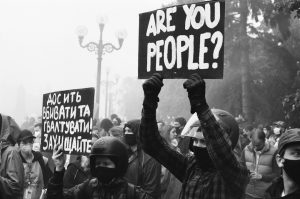
Protests, marches, and visibility actions
From Pride marches and reproductive justice rallies to climate strikes and anti-racist demonstrations, these events are about public visibility and collective power. They can be energizing and emotional, and they often include:- Speakers from impacted communities
- Art, music, and performance
- Information tables from local organizers
If you go, pay attention to safety guidelines and accessibility info, and be mindful of your own boundaries and comfort level.
-
Skill-building & creative spaces
Many progressive groups host spaces to build practical and creative skills:- Art builds (making signs, banners, zines)
- Nonviolent direct action trainings
- Community gardening and urban farming days
- Conflict resolution or restorative justice workshops
These events are hands-on, collaborative, and naturally conversational—perfect if small talk isn’t your thing.
-
Social, affinity, and identity-based meetups
These can be casual hangouts, potlucks, or game nights organized around shared values or identities:- Queer and trans social groups
- People of color or specific cultural community meetups
- Neurodivergent or disability justice-centered spaces
- Progressive faith or spiritual communities
They’re often explicitly welcoming to newcomers and can be a low-pressure way to meet people.
How to Find Local Progressive Events (Online and IRL)
You don’t have to already be “plugged in” to find community. Many groups work hard to make their events visible and accessible. Try combining several of these approaches:
-
Event platforms
Search for keywords like “mutual aid,” “climate justice,” “racial justice,” “LGBTQ+,” or “progressive” on:- Meetup – Great for recurring social and activist groups.
- Eventbrite – Often used for panels, fundraisers, and workshops.
- Local event calendars hosted by community centers, libraries, or universities.
-
Local organizations and nonprofits
Look up organizations working on issues you care about (e.g., reproductive rights, housing justice, immigrant support). Check:- Their websites’ “Events” or “Get Involved” pages
- Newsletters you can subscribe to
- Volunteer sign-up forms that list upcoming opportunities
-
Social media and community forums
Many groups now use a mix of social platforms and chat spaces:- Instagram and TikTok for event announcements and stories
- Facebook events and groups for local activism
- Subreddits or local forums for city- or campus-specific happenings
- Discord or Slack communities for ongoing conversation and organizing
-
Campus and workplace resources
If you’re a student or work at a larger organization, check:- Student org lists (e.g., LGBTQ+ groups, cultural orgs, environmental clubs)
- DEI or employee resource groups (ERGs)
- Bulletin boards and internal newsletters
-
Ask people you already know
If you’re chatting with someone on a dating app who shares your values, it’s okay to say:
“Hey, I’ve been wanting to get more involved in local progressive stuff. Do you know any orgs or events you like?”
You might discover events to attend together—or just expand your community map.
Online vs. In-Person: Finding the Right Fit for You
You don’t have to choose between online and in-person involvement; many people do both, depending on capacity, accessibility, and comfort level.
-
Online options
Online spaces can be especially helpful if:- You live in a smaller town with fewer in-person events
- You’re disabled, chronically ill, or otherwise need remote options
- Social anxiety makes large gatherings tough
Look for:
- Virtual town halls or webinars hosted by progressive orgs
- Online reading groups or political education series
- Remote volunteer roles (text banking, design, research, translation)
- Digital mutual aid (signal boosting fundraisers, coordinating care via group chats)
-
In-person options
In-person spaces can offer:- Embodied solidarity—standing, marching, or working side by side
- Organic conversations that don’t always happen in a Zoom chat
- Opportunities to build local, place-based relationships
If you’re going in person, check for:
- Accessibility details (ramps, ASL, quiet spaces, seating)
- COVID or health guidelines
- Transportation info and ride-share options
Both modes are real, meaningful participation. Choose what works for your body, schedule, and mental health, and let that be valid.
Tips for First-Timers (Especially If You’re Going Solo)
Showing up to a new space for the first time can be intimidating, especially if you’re going by yourself or you’re used to interacting mostly online. You’re not alone in that feeling—many people at progressive events are also there for the first time and hoping to meet others.
-
Start with a format that feels manageable
If a big march feels overwhelming, try:- A small workshop or discussion circle
- A volunteer shift with a defined task (like packing groceries)
- A social meetup or book club with a clear structure
-
Reach out to organizers ahead of time
Send a quick message or email:
“Hi, I’m new and thinking about attending. Is there anything I should know? Is it okay if I come alone?”
Many organizers will happily point you toward a welcoming contact person or newcomer orientation. -
Set a small, realistic intention
Instead of pressuring yourself to “network” or find a date, try intentions like:- “I’ll introduce myself to one person.”
- “I’ll stay for the first hour and then reassess.”
- “I’ll ask one question if there’s a Q&A.”
Anything beyond that is a bonus.
-
Honor your boundaries and needs
It’s okay to:- Take breaks or step outside
- Leave early if you’re overstimulated or uncomfortable
- Say no to photos, press, or being on livestreams
- Ask about accessibility, pronouns, or safer space guidelines
Progressive spaces should respect consent and boundaries—yours included.
-
Use events as a conversation bridge
If you’re there with someone you met on a dating app, or you meet someone interesting at the event, you can lean on the shared experience:- “What brought you to this event?”
- “Have you been involved with this org before?”
- “Are there other local groups you like?”
You’re not making small talk about the weather; you’re talking about what you both care about.
Building the Kind of Community You Want to Date Within
Progressive community events aren’t just about showing up once; they’re about building a network of care and accountability over time. That’s powerful in its own right—and it also transforms your dating life.
When you’re embedded in values-aligned spaces, you’re more likely to meet people who:
- Understand consent, boundaries, and ongoing communication
- Think about power, privilege, and harm in nuanced ways
- See relationships as collaborative, not transactional
- Believe in collective liberation, not just individual success
You might find romance. You might find friends who feel like family. You might find collaborators for a project that changes your city. All of those are wins.
Wherever you are on your journey—newly curious, long-time organizer, or somewhere in between—there’s a place for you in progressive community spaces. Start small, stay curious, and remember: showing up is already a meaningful act.
And if you’re swiping on a progressive dating app while you do it, you’re not just matching with people—you’re co-creating the kind of world you want to date in.
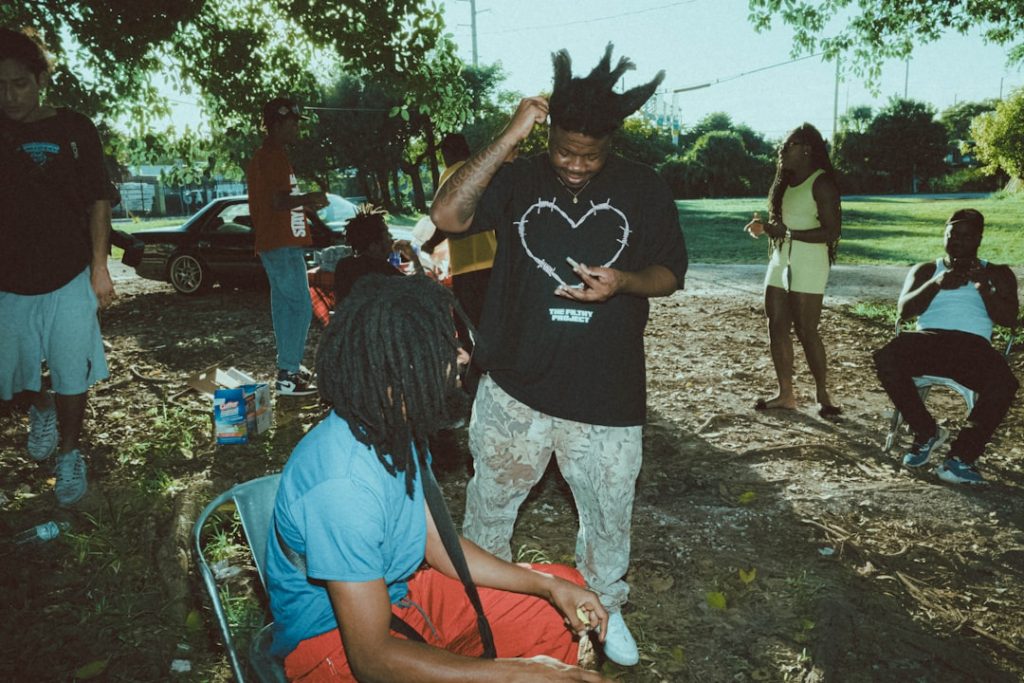
Photo by Frankie Cordoba on Unsplash
Stay Connected with Flamr
Don’t forget to follow Flamr on social media!
Relacionado
Discover more from Fyra - Dating App for Progressives
Subscribe to get the latest posts sent to your email.