Why Progressive Community Events Matter for Your Love Life (and Your Soul)
Progressive community events aren’t just for policy wonks, protest regulars, or people who already have a friend group that looks like a mutual aid collective. They’re for anyone who cares about justice, equity, and connection—and they can be an incredible way to meet people who share your values. Whether you’re looking for love, friendship, or simply a sense of belonging, getting involved in local progressive spaces can transform both your social life and your community.
This guide walks through the main types of progressive events, how to find them, why they matter, and how to show up confidently—whether you’re joining in person, online, or somewhere in between.
Types of Progressive Community Events
Progressive organizing is as diverse as the people who power it. You don’t have to be into megaphones or policy briefs to plug in—there’s likely a space that fits your interests, energy level, and schedule.
-
Mutual Aid & Community Care
These events focus on meeting immediate needs and building long-term support networks. Examples include:- Community fridges and food distribution days
- Clothing swaps and free stores
- Rent relief or emergency fund organizing
- Skill-sharing circles (e.g., cooking, budgeting, basic home repair)
Mutual aid spaces are often some of the most welcoming and community-oriented—perfect for meeting people who believe in showing up for one another.
-
Issue-Based Meetings & Teach-Ins
These events bring people together to learn, strategize, and take action on specific issues, such as:- Climate justice and environmental organizing
- Racial justice and anti-racism workshops
- LGBTQ+ rights and trans-inclusive advocacy
- Housing justice and tenants’ unions
If you’re intellectually curious and love deep conversations, these spaces can be fertile ground for both political education and meaningful connections.
-
Social & Cultural Events with a Progressive Lens
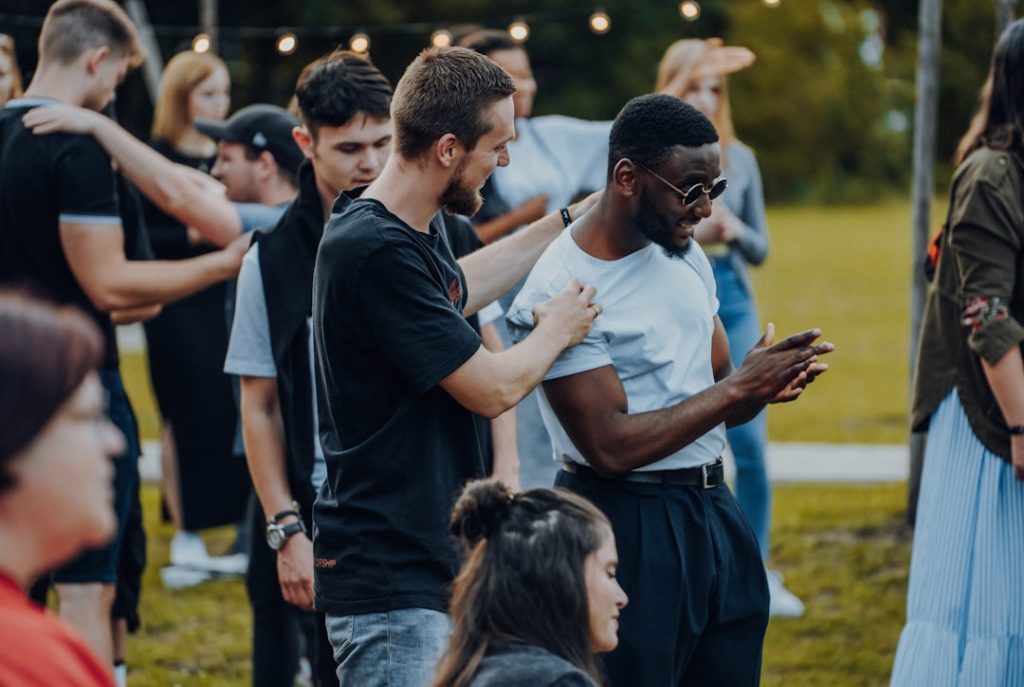
Activism isn’t only rallies and policy work. Many progressive communities host:- Queer dance nights and sober socials
- Book clubs featuring marginalized authors
- Film screenings and panel discussions
- Art shows, poetry nights, and open mics
These are great low-pressure spaces to meet people, flirt, or just enjoy shared culture rooted in justice and inclusion.
-
Direct Action, Protests & Campaign Events
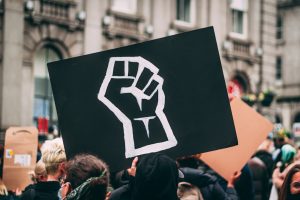
For those energized by collective action:- Rallies, marches, and demonstrations
- Campaign canvasses and phone/text banking
- Voter registration drives
- Solidarity actions for labor strikes or community demands
These spaces can be intense but powerful. If you attend with care and boundaries, they can also be deeply bonding—there’s something about chanting together that builds instant camaraderie.
-
Online Community Spaces & Hybrid Events
Not everyone can or wants to show up in person. Many organizations now offer:- Virtual town halls and webinars
- Online organizing trainings
- Discord servers, Slack workspaces, or group chats
- Hybrid meetings with both in-person and remote options
These are especially helpful for disabled folks, people with caregiving responsibilities, those in rural areas, or anyone easing into community involvement at their own pace.
How to Find Progressive Events Near You (and Online)
You don’t need an insider plug to get involved. Many progressive communities are actively trying to reach new people—especially those who’ve never attended anything before.
-
Use Event Platforms
Search for keywords like “mutual aid,” “climate justice,” “LGBTQ+,” “racial justice,” or “tenant union” on:- Meetup – Look for progressive, queer, or social justice groups.
- Eventbrite – Filter by your city and tags like “activism,” “community,” or “nonprofit.”
- Facebook Events – Many local orgs still post events here, especially smaller community groups.
-
Check Local Organizations’ Websites & Socials
Many groups maintain event calendars. Start with:- Local chapters of national orgs (e.g., climate justice networks, civil liberties orgs, reproductive justice groups)
- Community centers (especially LGBTQ+ centers, cultural centers, and neighborhood associations)
- Student groups at nearby colleges and universities
- Worker centers and labor unions
Follow them on Instagram, TikTok, or X for event announcements and last-minute updates.
-
Visit Progressive Community Spaces
Some places naturally function as hubs:- Independent bookstores and radical libraries
- Co-ops and community cafés
- Art spaces and DIY venues
- Faith communities with explicit justice-focused missions
Look for bulletin boards, flyers, zines, or staff who can point you toward upcoming events.
-
Ask in Online Communities
If you’re already in progressive or queer-friendly online spaces, ask what’s happening locally:- Subreddits for your city or region
- Discord servers and group chats for activists or queer communities
- Dating apps that center values, where people often mention events they’re attending
A simple “Hey, I’m looking to get more involved locally—any orgs or events you recommend?” can open a lot of doors.
Community Building: Beyond Swipes and Status Updates
Dating apps can help you find people; communities help you build something with them. Progressive spaces can offer what algorithms can’t: shared context, mutual support, and a sense of collective purpose.
Here’s why that matters:
-
Shared Values Become Lived Practice
It’s one thing to say you care about justice in a bio; it’s another to show up for a tenants’ meeting or a mutual aid drop-off. Community events are where values move from theory to practice—and where you see how others embody theirs. -
Expanded Social Circles
Maybe you’re looking for a partner, maybe for friends, maybe for a chosen family. Progressive events often attract people who are intentional about relationships, boundaries, and care—qualities that matter in any kind of connection. -
Support Through Hard Times
When news cycles are heavy and rights feel under threat, it’s easy to feel isolated. Being in community—online or offline—can help transform anxiety or anger into action, and loneliness into solidarity. -
Room for Growth and Imperfection
Healthy progressive spaces emphasize learning, accountability, and growth. You don’t have to show up already knowing everything; you just have to be willing to listen, adjust, and care.
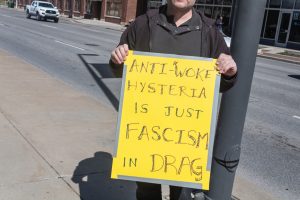
Think of progressive community involvement as the opposite of “performative woke.” It’s slow, relational, sometimes messy—and deeply human. That’s also where some of the most meaningful connections (and relationships) tend to grow.
Tips for First-Timers: Showing Up with Care and Confidence
If you’re new to community events, you’re not alone. Many people in progressive spaces started exactly where you are: nervous, curious, and unsure what to expect. Here are some ways to make your first experiences feel more comfortable and grounded.
-
Start with Your Capacity, Not Your Guilt
You don’t have to commit to everything at once. Choose one event that feels manageable—maybe a social event, a virtual workshop, or a mutual aid shift—and see how it feels. Sustainable involvement beats burnout every time. -
Read the Event Description Carefully
Most organizers will tell you:- Whether the event is beginner-friendly
- If there’s a code of conduct or safer space policy
- What access needs are considered (e.g., wheelchair access, masks required, virtual option)
- What, if anything, you should bring (e.g., water, mask, sign, notebook)
If something isn’t clear, it’s okay to email or DM the organizers—they’re often grateful you asked.
-
Arrive with Consent and Curiosity
Especially if you’re also open to dating or flirting, remember:- People are primarily there to organize or build community, not as a dating pool.
- Focus first on the work or purpose of the event.
- If you feel a connection, start by building rapport and friendship.
- Always respect boundaries—verbal and nonverbal—and accept “no” without pressure.
Romance can grow from shared values, but centering consent and care keeps spaces safer for everyone.
-
Introduce Yourself (Even If You’re Shy)
A simple script can help:- “Hi, I’m [Name], this is my first time at something like this.”
- “I’m new to the area and looking to get more involved.”
- “I’ve been wanting to show up more around [issue], so I’m excited to be here.”
Many groups have designated “welcome” volunteers—look for them or ask if someone can help you get oriented.
-
Honor Access Needs (Yours and Others’)
Progressive spaces strive to be accessible, but they’re not perfect. Advocate for your needs when you can, and respect others’:- If an event is mask-required, honor that policy.
- If someone says they don’t want physical contact, respect that fully.
- If you’re neurodivergent or anxious, consider bringing a friend, taking breaks, or joining online first.
-
Follow Up Afterward
If you had a positive experience:- Join the mailing list or group chat.
- Follow the org on social media.
- Send a quick note thanking organizers and asking about next steps.
- If you met someone you’d like to know better, ask if they’d be open to connecting again (for coffee, another event, or just swapping socials).
Online, In-Person, and Everything In Between
There’s no single “right” way to be involved. Your life circumstances, health, geography, and comfort level all shape how you show up—and that’s okay.
-
If you’re mostly online:
- Join virtual trainings and webinars to build knowledge and confidence.
- Participate in online mutual aid (e.g., fundraising, digital support, resource sharing).
- Engage in moderated group chats or Discord servers that prioritize safety and inclusion.
- Use digital spaces to connect with people locally, then move offline if and when you feel ready.
-
If you prefer in-person:
- Start with smaller gatherings like book clubs, workshops, or volunteer shifts.
- Check access info (transportation, mobility, COVID precautions) ahead of time.
- Consider attending with a friend for mutual support—especially at larger events.
-
If you’re somewhere in between:
- Look for hybrid events where you can choose online or in-person participation.
- Mix and match: maybe online meetings during the week, in-person events once a month.
- Adjust as your energy, capacity, or comfort changes over time.
Progressive community building is not about perfection; it’s about practice. You don’t have to be the most knowledgeable, the most outspoken, or the most available person in the room. You just have to be willing to show up—in whatever ways are possible for you—and to treat others with care.
And who knows? Along the way, you might find a co-organizer who becomes a co-conspirator in love, a friend who turns into chosen family, or a whole network of people who make your city (or your screen) feel a little more like home.
Photo by S. H. Gue on Unsplash
Stay Connected with Flamr
Don’t forget to follow Flamr on social media!
Relacionado
Discover more from Fyra - Dating App for Progressives
Subscribe to get the latest posts sent to your email.