
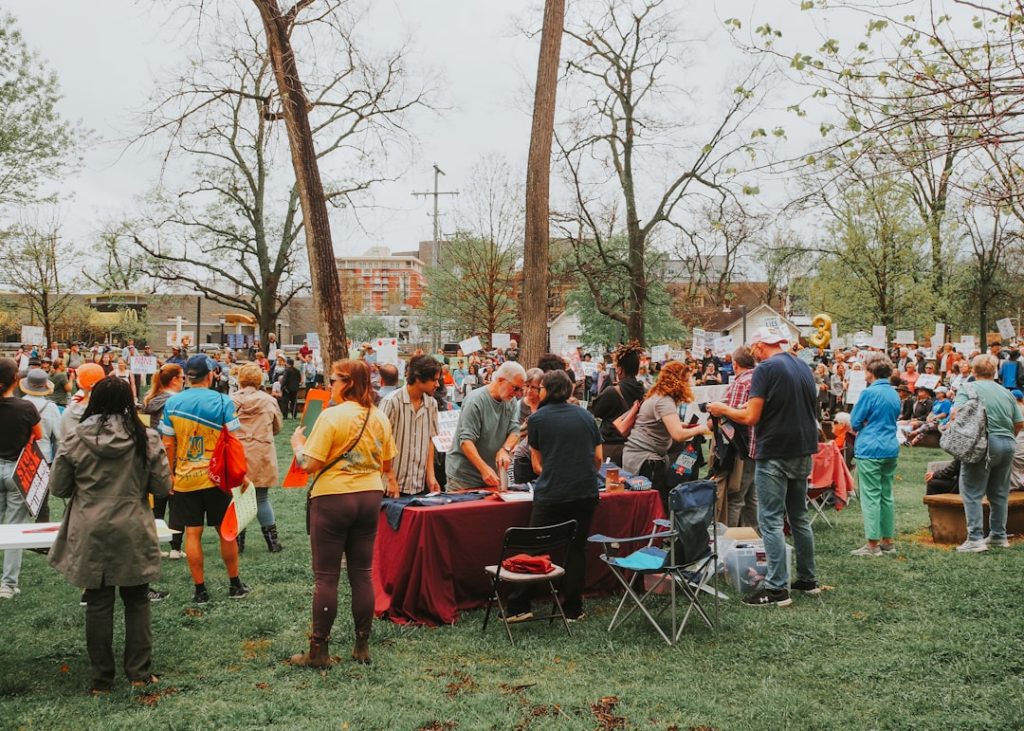
If the last few years have taught us anything, it’s that change doesn’t just happen “out there” in distant capitals or on social media—it starts in neighborhoods, living rooms, school boards, and local parks. Progressive community work is about building a more just, inclusive, and sustainable world from the ground up, together.
Whether you’re brand-new to activism or looking to deepen your involvement, there’s a place for you. This guide walks through practical, actionable ways to plug into progressive community events, resources, and organizations—online and offline, low-commitment and high-commitment—so you can find what fits your life and values.
—
Why Local, Collective Action Matters
Progressive values—like racial justice, gender equity, environmental sustainability, LGBTQ+ rights, disability justice, workers’ rights, and economic fairness—become real when they’re rooted in community. Local action matters because:
– Policies are implemented locally. School boards, city councils, and county commissions decide on policing, housing, education, and public health.
– You have more influence. A handful of organized neighbors can shape a city budget, stop a harmful development, or pass a climate ordinance.
– Community builds resilience. Strong networks help people survive crises, resist injustice, and support each other through hardship.
– You don’t have to do it alone. Collective action means shared responsibility, shared learning, and shared joy.
You don’t need to be an expert or a full-time activist. You just need to be willing to show up—in whatever way you can.
—
Step 1: Clarify Your Causes and Capacity
Before diving in, take a moment to reflect:
What issues matter most to you?
Some common progressive focus areas:
– Racial justice and anti-racism
– LGBTQ+ rights and trans liberation
– Reproductive justice and bodily autonomy
– Climate justice and environmental protection
– Housing justice and tenants’ rights
– Immigrant and refugee support
– Disability justice and accessibility
– Workers’ rights and union organizing
– Criminal legal reform and abolitionist organizing
– Public education and library defense
– Mutual aid and food justice
You don’t have to pick just one, but starting with one or two helps you focus.
What can you realistically offer?
Think about:
– Time: 1 hour a month? A few hours a week? Occasional weekends?
– Energy: Do you prefer behind-the-scenes work or being on the front lines?
– Skills: Writing, art, logistics, tech, childcare, cooking, facilitation, fundraising—every skill is useful.
– Comfort level: Are you more comfortable online, in small groups, or at big public events?
There is no “right” way to contribute. Being honest about your capacity helps prevent burnout and keeps you engaged for the long haul.
—
Step 2: Find Local Progressive Groups and Events
Finding your people is easier than it might seem. Here are concrete ways to locate progressive organizations and community events near you:
1. Start with a simple local search
Use search terms like:
– “mutual aid [your city]”
– “progressive organization [your city]”
– “racial justice [your county]”
– “tenants union [your city]”
– “climate action group [your region]”
– “LGBTQ center [your city]”
Check:
– Local nonprofits’ websites
– Community centers and libraries
– University or college community boards
– Local independent bookstores and cafes (flyers and bulletin boards)
2. Explore national organizations with local chapters
Many national progressive groups have local branches or affiliated campaigns. Look for:
– ACLU (civil liberties, voting rights)
– NAACP, Color of Change, Black Lives Matter chapters (racial justice)
– Planned Parenthood, NARAL, local abortion funds (reproductive justice)
– Sunrise Movement, 350.org, Sierra Club chapters (climate justice)
– Democratic Socialists of America (DSA) (economic justice, labor, housing)
– Indivisible groups (democracy and progressive policy)
– National Domestic Workers Alliance, Fight for $15 (workers’ rights)
– LGBTQ centers, PFLAG chapters (LGBTQ+ support)
– Tenants unions and legal aid organizations (housing justice)
Their websites often have “Find a Chapter” or “Get Involved Locally” pages.
3. Use social media and community platforms
– Facebook/Meta: Search for “[issue] [city]” groups (e.g., “Climate Action Chicago”).
– Instagram/Twitter/X: Follow local hashtags (#YourCityName, #DefendLibraries, #HousingJustice, etc.).
– Meetup: Look under “Social Justice,” “Environment,” “LGBTQ,” “Politics,” and “Community.”
– Eventbrite: Search for local trainings, town halls, and teach-ins.
– Nextdoor or local forums: Sometimes used for neighborhood organizing and mutual aid.
—
Step 3: Choose Your Level of Engagement
Your involvement can be as small or as deep as you want. Here are options across a spectrum of commitment and comfort.
Low-Commitment, High-Impact Ways to Start
These are great if you’re busy, introverted, or just testing the waters.
1. Attend a single event
– A community forum on policing or school curriculum
– A climate march, Pride event, or reproductive rights rally
– A library board or city council meeting
2. Join a mailing list or text list
– Many groups send action alerts, petitions, and event invites.
– Commit to responding to one action (call, email, petition) per week.
3. Support local mutual aid
– Drop off food, diapers, or hygiene products at community fridges or pantries.
– Contribute to a local mutual aid fund when you can.
– Share calls for support on your social networks.
4. Boost progressive voices online
– Follow local organizers and organizations.
– Share accurate information, event flyers, and fundraisers.
– Push back (respectfully) against misinformation and bigotry.
Medium-Commitment: Building Relationships and Skills
Once you’re more comfortable, you can deepen your participation.
1. Volunteer regularly
– Help at a food distribution, community garden, or clothing swap.
– Provide childcare or translation at meetings.
– Join a phonebank or textbank for local campaigns.
2. Join a working group or committee
– Housing justice working group in a tenants’ union.
– Climate justice committee in a local environmental group.
– Political education group reading and discussing key texts.
3. Offer your specific skills
– Graphic design or social media for event promotion.
– Website maintenance or data entry.
– Grant writing or fundraising support.
– Facilitation, conflict mediation, or training.
4. Participate in trainings
– Anti-racism workshops
– Bystander intervention and de-escalation training
– Organizing 101, canvassing, or storytelling training
Higher-Commitment: Leadership and Long-Term Projects
If you’re ready for a larger role:
1. Help organize a campaign
– Push for a local climate ordinance or rent control.
– Organize around police accountability or school equity.
– Support union drives at local workplaces.
2. Run or support progressive candidates
– School board, city council, county commission, library board.
– Volunteer as a campaign manager, treasurer, or canvass captain.
– Host house meetings and listening sessions.
3. Launch or co-found a group
– Start a mutual aid network on your block.
– Create a neighborhood tenants’ association.
– Organize a recurring community event: a free store, a reading group, or a repair café.
Leadership doesn’t mean perfection; it means learning, listening, and being accountable to your community.
—
Step 4: Engage Across Different Causes
Progressive issues are interconnected. Here are practical examples of involvement across major areas:
Racial Justice
– Join or support local Black- and Brown-led organizations.
– Advocate for equitable school funding, anti-racist curricula, and restorative justice practices.
– Support campaigns to reduce police budgets and reinvest in community services.
– Attend court support actions for people facing criminal charges or immigration hearings.
Climate and Environmental Justice
– Join a local climate coalition or youth-led group.
– Support campaigns for public transit, bike lanes, and green spaces.
– Participate in community solar or weatherization projects.
– Work with frontline communities fighting pollution or toxic facilities.
Housing and Economic Justice
– Join a tenants’ union or housing rights group.
– Support eviction defense actions and legal aid.
– Organize with workers for better pay, benefits, and union recognition.
– Advocate for living wage policies, paid sick leave, and fair scheduling.
LGBTQ+ and Gender Justice
– Support local LGBTQ+ centers, trans mutual aid funds, and youth programs.
– Show up for drag story hours and Pride events under attack.
– Advocate for inclusive school policies and gender-affirming healthcare.
– Volunteer with organizations supporting survivors of gender-based violence.
Democracy and Voting Rights
– Help with voter registration and election protection hotlines.
– Educate neighbors about ballot measures and local races.
– Push for expanded voting access: early voting, mail-in ballots, and language access.
– Monitor local boards and commissions for anti-democratic moves.
—
Step 5: Build Community, Not Just Checklists
Sustainable activism is rooted in relationships, trust, and care. Some ways to nurture that:
– Get to know your neighbors. Host a potluck, block meeting, or skill-share.
– Practice mutual aid. Share resources, rides, childcare, and information.
– Prioritize accessibility. Offer childcare, interpretation, transportation support, and remote options when possible.
– Center those most impacted. Listen to and follow the leadership of people directly affected by the issues.
– Celebrate wins and each other. Organizing can be hard; joy, art, music, and rest are part of the work.
—
Step 6: Prevent Burnout and Stay in the Long Game
Progressive change is a marathon, not a sprint. To stay engaged:
– Set realistic commitments and be honest when you need to step back.
– Share responsibilities instead of concentrating them on a few people.
– Make space for grief, anger, and hope.
– Remember that small, consistent actions add up over time.
You are not individually responsible for fixing everything. You are responsible for your piece of the work, done in community with others.
—
Your Next Steps (Pick One)
To make this concrete, choose one thing you’ll do in the next week:
– Search for “mutual aid [your city]” and follow one group.
– Attend one public meeting (school board, city council, or library board).
– Sign up for one volunteer shift with a local organization.
– Join one online training or webinar on an issue you care about.
– Invite a friend to talk about getting involved together.
Progressive change is built by people like you—students, workers, parents, retirees, neighbors—deciding that the world can be more just and taking small, steady steps toward that vision.
You don’t have to be fearless or flawless. You just have to start, and keep showing up, with others by your side.
Photo by Barbara Burgess on Unsplash
Relacionado
Discover more from Fyra - Dating App for Progressives
Subscribe to get the latest posts sent to your email.