
In movements for justice, change, and liberation, you’re often told to “keep fighting,” “never give up,” or “stay angry.” What you don’t hear as often is: “You’re allowed to rest. Your well-being matters. You are more than your output.”
Activism can be deeply meaningful—and deeply draining. It asks you to confront injustice, hold space for others’ pain, and push against systems that often feel immovable. Over time, that weight can take a serious toll on your mental health.
If you’ve felt exhausted, numb, or guilty for needing a break, you’re not alone. This post is for you.
Below, we’ll explore how to prevent burnout, build emotional resilience, lean into community support, and practice sustainable activism—so you can stay engaged without sacrificing yourself.
—
Understanding Activist Burnout
Burnout isn’t just “being tired.” It’s a state of physical, emotional, and mental exhaustion caused by prolonged stress and overwork, especially in emotionally heavy contexts like activism.
Common warning signs of burnout
If you recognize yourself in several of these, it may be time to pause and reassess:
– Emotional exhaustion
– Feeling drained all the time, even after sleep
– Crying easily or feeling like you have no emotions left
– Feeling detached from causes you used to care deeply about
– Cynicism and hopelessness
– Thinking “Nothing will ever change” or “What’s the point?”
– Feeling resentful toward people who aren’t “doing enough”
– Losing trust in your community or in yourself
– Reduced sense of accomplishment
– Feeling like your work doesn’t matter
– Minimizing your contributions (“I’m not doing enough”)
– Constantly moving the goalposts for what “counts” as meaningful action
– Physical symptoms
– Chronic fatigue, headaches, stomach issues, or muscle tension
– Trouble sleeping or oversleeping
– Changes in appetite or weight
– Behavioral changes
– Withdrawing from friends or community
– Using substances, food, or work to numb out
– Feeling unable to unplug from news or social media—even when it hurts
If these resonate, it doesn’t mean you’re weak or failing. It means you’ve been carrying a lot, for a long time, in a world that often asks too much and gives too little support.
—
Emotional Resilience: Feeling Without Going Numb
Resilience isn’t about “toughening up” or pretending things don’t hurt. It’s about developing the capacity to feel deeply, recover, and continue in ways that are aligned with your values and limits.
1. Make space for your emotions
You’re allowed to feel grief, anger, fear, and joy—all of it.
– Name what you feel. “I feel angry and scared about this policy,” or “I feel helpless seeing this news.”
– Allow feelings without judgment. Instead of “I shouldn’t feel this way,” try “It makes sense that I feel this way, given what I’m seeing.”
Sometimes just naming emotions can reduce their intensity and help your nervous system settle.
2. Build emotional “buffers”
These are practices that help you process and release some of the emotional weight you’re carrying:
– Journaling: Write down what you’re feeling after protests, meetings, or intense online discussions.
– Creative outlets: Art, music, poetry, or crafting can be powerful ways to process anger, grief, or hope.
– Movement: Walking, dancing, yoga, or stretching helps your body discharge stress.
Think of these as emotional hygiene—like brushing your teeth, but for your mind and heart.
—
Practical Self-Care Strategies for Activists
Self-care is not selfish, and it’s not just bubble baths and candles (though those can help). It’s the ongoing practice of meeting your needs, so you can show up in the world in ways that are sustainable.
1. Set boundaries with news and social media
Constant exposure to distressing content can retraumatize and overwhelm you.
Try:
– Time limits: Decide when you’ll check news or social media (e.g., 30 minutes in the morning, 30 in the evening).
– Curated feeds: Follow accounts that provide context, hope, and action steps—not just shock and outrage.
– “Off” days: Choose one day each week where you intentionally disconnect from activism-related content.
Boundary-setting doesn’t mean you don’t care; it means you’re caring in a way that honors your nervous system.
2. Practice body-based self-care
Your body keeps score of stress. Supporting it supports your activism.
– Sleep: Aim for a consistent sleep schedule. Set a “wind-down” alarm 30–60 minutes before bed.
– Hydration and nutrition: Keep water nearby; try to eat regularly, even if it’s simple, easy meals.
– Micro-breaks: Every hour, take 1–2 minutes to stretch, breathe, or look away from screens.
Small, consistent habits can make a big difference over time.
3. Create a “calm kit”
Prepare a set of tools you can turn to when you feel overwhelmed:
– A favorite playlist or calming sounds
– A grounding object (stone, fidget toy, soft fabric)
– A list of supportive contacts you can message or call
– A short breathing exercise written out
Example breathing exercise: 4–2–6 breathing
– Inhale through your nose for 4 seconds
– Hold for 2 seconds
– Exhale slowly for 6 seconds
Repeat 5–10 times.
—
Community Care: You’re Not Meant to Carry This Alone
Activism is collective by nature. So is healing.
1. Share the load
You don’t have to do everything.
– Delegate tasks: If you’re always organizing, see if someone else can handle logistics, outreach, or note-taking.
– Rotate roles: Take turns leading, facilitating, and resting. Build “rest roles” into your group structure.
– Be honest about capacity: It’s okay to say, “I can’t take this on right now,” or “I can help, but only with X.”
Healthy movements make room for people’s changing capacities.
2. Build support circles
Create spaces where you and others can show up as humans, not just organizers.
– Check-in circles: Start meetings with a brief emotional check-in: “How are you arriving today?” even if it’s just one word.
– Debrief after actions: After protests or intense events, gather (in person or online) to process what happened and how people feel.
– Buddy systems: Pair up with someone to check in regularly about how you’re both doing.
Community care is a form of resistance in a world that pushes isolation and individualism.
—
Sustainable Activism: Staying Engaged Without Burning Out
Sustainable activism isn’t about doing less; it’s about doing differently—so you can keep going over the long term.
1. Redefine what “enough” looks like
Activist culture can sometimes glorify overwork and constant urgency. You may feel like:
– If you’re not doing everything, you’re doing nothing.
– If you rest, you’re abandoning the cause.
– If you step back, you’re replaceable or uncommitted.
These narratives are harmful and untrue.
Try reframing:
– “I’m a finite human, not a machine.”
– “Rest is part of the work.”
– “Movements are ecosystems; everyone contributes differently.”
Your worth is not measured by your productivity, your output, or your visible activism.
2. Diversify your forms of engagement
Not everyone needs to be on the front lines all the time. Consider:
– Low-energy actions: Donating, signing petitions, calling representatives, or amplifying information.
– Skill-based contributions: Writing, art, research, translation, tech support, childcare, cooking for events.
– Seasonal engagement: It’s okay to be more active at some times and less at others. Seasons of rest are valid.
Ask yourself: “What can I realistically offer right now, given my current energy and life situation?”
3. Plan for rest as part of your activism
Rest is not what you do after you crash; it’s what you build in to prevent crashing.
– Schedule rest like you schedule meetings.
– After major actions or campaigns, plan a decompression period.
– Encourage your group to normalize breaks, sabbaticals, and stepping back without shame.
Movements need people who can stay, not just people who can sprint.
—
When to Seek Professional Support
Sometimes, self-care and community care aren’t enough, and that’s okay. It’s a sign of wisdom—not weakness—to reach out for professional help.
Consider talking to a therapist, counselor, or mental health professional if you:
– Feel hopeless most of the time
– Have persistent thoughts of self-harm or suicide
– Can’t function in daily life (work, school, relationships)
– Are experiencing panic attacks or severe anxiety
– Feel stuck in trauma responses (flashbacks, dissociation, chronic hypervigilance)
If you’re in immediate crisis, please reach out to local emergency services or a crisis hotline in your country. Many regions also have text or chat-based support if calling feels hard.
—
Helpful Resources (General Suggestions)
Availability varies by region, but you might look for:
– Local mental health hotlines or crisis lines
– Community mental health centers or clinics
– Sliding-scale or low-cost therapy directories
– Peer support groups (for activists, trauma survivors, or specific communities)
– Online mental health education platforms (for coping skills and psychoeducation)
If you’re part of a collective or organization, consider compiling a shared list of local resources for your members.
—
You Deserve Care, Too
You are not a resource to be used up for the cause. You are a human being with limits, needs, and a right to rest.
Taking care of your mental health doesn’t mean you’re turning away from injustice. It means you’re choosing to stay in the struggle in a way that honors your humanity.
You’re allowed to:
– Log off.
– Say no.
– Take breaks.
– Feel joy, even in hard times.
– Ask for help.
– Change how you participate.
– Step back temporarily—or permanently—if that’s what you need.
Movements for justice are ultimately about building a world where everyone’s dignity and well-being matter. That includes yours.
You are not alone in this. Your feelings are valid. Your limits are real. And your care—for others and for yourself—is part of the transformation this world desperately needs.
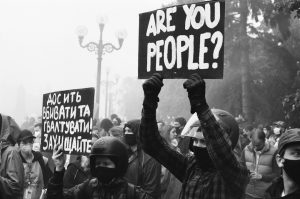
Photo by Vitaly Gariev on Unsplash
Relacionado
Discover more from Fyra - Dating App for Progressives
Subscribe to get the latest posts sent to your email.