Why Progressive Community Events Matter (Especially When You’re Dating)
Finding “your people” can be just as important as finding your person. For many progressive daters, shared values around justice, sustainability, and inclusion aren’t just nice-to-have—they’re non‑negotiable. Community events are where those values move from profile prompts into real‑world action.
Whether you’re newly politically engaged, fresh to a city, or just ready to meet people offline again, progressive community spaces can offer:
- Connection: Meet people who care about the same issues you do, in low‑pressure environments where the focus isn’t only on romance.
- Belonging: Experience what it feels like to be surrounded by others who share your commitment to equity and liberation.
- Impact: Turn your values into tangible action—together.
And yes, they can also be a great place to meet someone special, or to deepen a relationship by showing up for causes you both care about.
Types of Progressive Community Events to Explore
Progressive community life is bigger than protests and ballot initiatives (though those matter too). Here are some common types of events you might find in your area:
-
Mutual Aid & Community Care
Mutual aid is about people supporting each other directly, outside of top‑down charity models. Events might include:
- Community fridges and free stores restocking days
- Food distribution or meal prep for neighbors
- Rent relief or emergency fund organizing meetings
- Skill‑sharing (e.g., “Know Your Rights,” basic bike repair, first aid)
These spaces often center solidarity, not saviorism—great for meeting people who think deeply about care and reciprocity.
-
Social Justice Workshops & Teach‑Ins
These events focus on learning and political education. You might see:
- Anti‑racism and abolition study groups
- Gender and LGBTQ+ justice workshops
- Climate justice teach‑ins connecting local and global issues
- Labor organizing trainings and union 101 sessions
They’re ideal if you’re newer to activism or want to deepen your understanding in community.
-
Creative & Cultural Events
Culture shifts politics. Look for:
- Poetry slams and open mics centering marginalized voices
- Film screenings with panel discussions
- Queer and trans art shows or zine fairs
- Book clubs featuring progressive authors
These events can feel more relaxed and social, while still rooted in justice and representation.
-
Direct Action, Rallies & Civic Engagement
When communities mobilize, you’ll see:
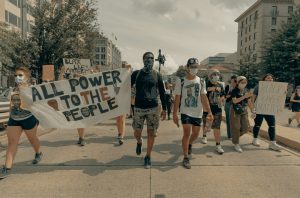
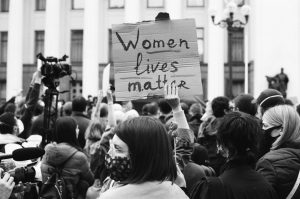
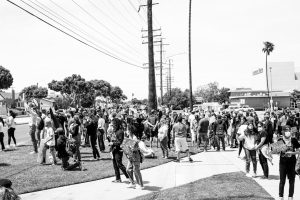
- Protests, marches, and solidarity rallies
- Phone banking and text banking parties
- Voter registration and GOTV (Get Out the Vote) drives
- City council or school board meeting watch‑parties and testimony prep
These spaces can be intense but energizing—go with a buddy if you can, and know your boundaries.
-
Affinity & Identity‑Based Meetups
Many progressive spaces organize events specifically for communities who share identities or experiences, such as:
- Queer and trans social nights or support circles
- Spaces for Black, Indigenous, and other people of color
- Disability justice meetups and access advocacy groups
- Immigrant justice community gatherings
If you share the identity, these can be powerful places to find both solidarity and potential partners. If you don’t, respect that some spaces are intentionally closed for safety and healing.
How to Find Progressive Events Near You (and Online)
You don’t need to already be “plugged in” to find community. A few starting points:
-
Event Platforms
Search using keywords like “mutual aid,” “social justice,” “queer,” “climate justice,” or “abolition” on:
- Meetup: Look for progressive groups, queer socials, activist collectives, and political education meetups.
- Eventbrite: Filter by category (e.g., “Community,” “Nonprofit & Causes”) and your city or region.
- Facebook Events: Many grassroots groups still rely on Facebook for event promotion.
-
Local Organizations & Community Hubs
Check websites, newsletters, and social feeds for:
- Local LGBTQ+ centers and Pride organizations
- Reproductive justice and gender justice groups
- Tenant unions and housing justice coalitions
- Climate and environmental justice organizations
- Labor unions and worker centers
- Campus organizations (if you’re near a college or university)
Many have calendars or monthly roundups of events and volunteer opportunities.
-
Libraries, Bookstores & Cultural Spaces
Public libraries and independent bookstores often host:
- Author talks and book clubs on social justice topics
- Community forums and town halls
- Skill‑shares and workshops
Community centers, co‑ops, and art spaces also tend to be hubs for progressive events.
-
Online Communities & Hybrid Events
If in‑person isn’t accessible or comfortable for you, there’s still plenty happening:
- Virtual workshops and teach‑ins hosted via Zoom or similar platforms
- Online reading groups and discussion circles
- Discord servers and Slack communities for specific causes or identities
- Hybrid events where you can join remotely and still participate in Q&A or breakout rooms
Many organizations now default to hybrid formats, making it easier to engage from anywhere.
Tips for First‑Timers: Showing Up With Care and Confidence
If you’re new to community spaces, it’s normal to feel nervous—especially if you’re also hoping to meet people you might date. A few tips to make your first steps smoother:
-
Start with your comfort level
If big rallies feel overwhelming, begin with a small book club, film screening, or volunteer shift. If social anxiety is a factor, online events or hybrid spaces can be a gentler entry point.
-
Read the event description carefully
Check who the event is for, what the goals are, and whether there are expectations (e.g., masks, sliding‑scale donations, accessibility notes). Respect spaces that are explicitly closed to certain identities if you don’t share them.
-
Lead with curiosity, not expertise
You don’t need to know everything. It’s okay to say “I’m learning” or “I’m new to this.” Ask questions respectfully, listen more than you talk, and follow the lead of people most impacted by the issues.
-
Be mindful about flirting
Community spaces are not dating apps. It’s fine to connect with people you’re attracted to, but prioritize consent and context:
- Keep the focus on the event’s purpose, especially at actions or meetings.
- Start with conversation about the work; if there’s a vibe, you can later say, “I’d love to stay in touch—would you be open to exchanging contacts?”
- Accept “no” or hesitation gracefully and without pressure.
-
Bring a friend (or ask for a buddy)
If you’re nervous, invite a friend or date to join you. Some organizations also offer “buddy systems” for newcomers—don’t hesitate to email or DM the organizers and ask.
-
Check in with your capacity
Burnout is real. You don’t have to go to everything or stay the whole time. It’s okay to leave early, take breaks, or focus on one or two organizations instead of trying to be everywhere at once.
Building Sustainable Community: Beyond One‑Off Events
Community isn’t just a calendar—it’s a practice. If you want your involvement to be meaningful (and your connections to be deeper than “we met at one protest”), think long‑term:
-
Choose a lane
You don’t have to do everything. Maybe you’re drawn to climate justice, disability justice, or housing organizing. Maybe your lane is childcare for organizers, graphic design, or cooking for events. Focus helps you build real relationships and skills.
-
Show up consistently
Join recurring spaces: monthly meetings, weekly reading groups, or ongoing volunteer shifts. Over time, faces become familiar, trust grows, and deeper friendships—and sometimes relationships—form.
-
Support access and inclusion
Ask how you can help make spaces more accessible: offering rides, contributing to an access fund, amplifying event info, or helping with childcare. Community care is attractive; it also makes the space safer for everyone.
-
Integrate your dating life thoughtfully
If you’re using a progressive dating app, consider:
- Suggesting a community event as a date—like a film screening, fundraiser, or volunteer shift.
- Talking about boundaries: Are you both okay being seen together in these spaces? Do you want to debrief after?
- Checking in about pace: Not every early date needs to be a high‑intensity action.
Shared community can deepen intimacy, but it’s also important to respect the space and not center your relationship over the collective work.
-
Stay open to many kinds of connection
You might meet a partner at a community event—or you might meet a co‑organizer, a roommate, a creative collaborator, or a friend who changes your life. All of that is valuable. The point isn’t just to date; it’s to be less alone in the work of building a better world.
Progressive community spaces are imperfect and evolving, just like the people in them. But they’re also where so many of the best love stories start—love for each other, love for our communities, and love for the futures we’re trying to build. If you’ve been waiting for a sign to show up, consider this it.
Photo by Anthony Lim on Unsplash
Stay Connected with Flamr
Don’t forget to follow Flamr on social media!
Relacionado
Discover more from Fyra - Dating App for Progressives
Subscribe to get the latest posts sent to your email.