Why Progressive Community Events Matter for Your Love Life (and Your Soul)
Progressive dating isn’t just about who you match with—it’s about the world you’re building together. If you care about justice, sustainability, and collective care, you probably want a partner (or partners) who share those values. One of the best ways to meet those people—and to feel less alone in the process—is by getting involved in progressive community events.
Whether you’re brand new to activism or you’ve been organizing for years, there’s a place for you. And if you’re a little nervous about showing up alone? You’re not the only one. This guide walks through the kinds of events you can join, how to find them, and how to show up in ways that feel authentic, safe, and sustainable.
Types of Progressive Community Events
Progressive communities are diverse, and so are the spaces they create. You don’t have to be a seasoned organizer to participate—many events are designed for newcomers and are low-pressure, social, and fun.
Here are some common types of progressive events you might find in your area or online:
- Mutual aid and community care events
Food distribution, clothing swaps, rideshares for medical appointments, community fridges, or fundraisers for neighbors. These events often focus on meeting immediate needs and building long-term relationships. - Issue-based organizing meetings
Gatherings focused on topics like climate justice, reproductive rights, racial justice, LGBTQ+ rights, disability justice, housing, or labor organizing. These might be hosted by local chapters of national organizations or grassroots groups. - Skill shares and workshops
Trainings on topics like bystander intervention, digital security, anti-racism, conflict resolution, consent culture, or organizing basics. These events help you build practical skills you can use in relationships and community. - Social and cultural events
Book clubs, film screenings, art shows, zine fairs, drag shows, queer dance parties, open mics, and storytelling nights. Many are explicitly queer- and trans-affirming, disability-friendly, and anti-racist. - Political education and discussion spaces
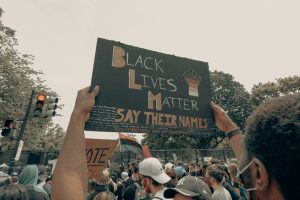
Reading groups, speaker panels, teach-ins, and community forums where people unpack current events, policy changes, or movement history. These are great places to meet people who like to think critically and ask big questions. - Protests, marches, and direct actions
Street demonstrations, sit-ins, picket lines, and solidarity actions. These can be powerful and energizing, but they’re not the only way to be involved—there are often support roles for folks who can’t or don’t want to be in the streets. - Wellness and healing spaces
Community yoga, support circles, meditation groups, trauma-informed workshops, and spaces specifically for marginalized communities (e.g., BIPOC-only circles, queer and trans support groups, disability justice collectives).
You don’t have to do everything. Start with what feels most aligned with your values, your capacity, and your comfort level.
How to Find Local (and Online) Progressive Events
Finding the right space can take a little digging, but there are plenty of tools to help you connect with progressive communities—both in-person and online.
General event platforms:
- Meetup: Search for groups using keywords like “social justice,” “queer,” “feminist,” “mutual aid,” “climate action,” “abolition,” or “progressive politics.” Many groups host recurring events, so you can build ongoing connections.
- Eventbrite: Filter by location and tags like “activism,” “community,” “LGBTQ+,” “anti-racism,” “environment,” or “human rights.” You’ll find both in-person and virtual events.
- Facebook Events: Many grassroots organizers still rely on Facebook to promote events. Follow local organizations, community centers, co-ops, and progressive faith groups to stay updated.
Local organizations and spaces:
- Community centers and co-ops: Check bulletin boards (physical and digital) at community centers, worker co-ops, feminist bookstores, independent coffee shops, and queer bars.
- Local nonprofits and grassroots orgs: Visit their websites or social media pages. Many have “Events,” “Get Involved,” or “Calendar” sections.
- Campus groups: If you’re near a college or university, student organizations often host public events focused on justice and community care.
- Libraries: Public libraries frequently host talks, workshops, and book clubs, often with a social-justice lens.
Online communities and virtual events:
- Discord and Slack communities: Many progressive groups maintain online spaces where they share event links, host virtual discussions, and organize actions.
- Social media: Follow hashtags related to your interests (e.g., #mutualaid, #climatejustice, #abolition, #queercommunity). Local hashtags or city-specific accounts often highlight events.
- Virtual conferences and webinars: Organizations frequently stream workshops and panels, making it easier to participate regardless of location or mobility.
If you’re using a dating app, you can also mention in your profile that you’re interested in attending progressive events and ask if anyone has recommendations. It’s a natural conversation starter and can lead to shared plans.
The Importance of Community Building (Beyond Matching)
Progressive dating is about more than finding someone who checks a few political boxes. It’s about shared commitments to care, accountability, and transformation. Community spaces are where those values come to life.
Here’s why community involvement matters:
- It grounds your values in practice
It’s one thing to say you care about justice; it’s another to show up for your neighbors, learn from marginalized communities, and support ongoing work. - It expands your social world
Dating can feel high-pressure when every interaction is one-on-one. Community events let you meet people in a more organic, low-stakes way—friends, collaborators, potential partners, or all of the above. - It builds resilience
In a world where many of us feel isolated or burned out, collective spaces can be grounding. Sharing grief, joy, and action with others can make it easier to keep going. - It supports healthier relationships
When you’re connected to a broader community, your romantic relationships don’t have to carry the weight of being your entire support system. That can reduce pressure and help relationships grow more sustainably. - It creates shared stories
Cooking at a community kitchen, canvassing for a local ballot measure, or attending a queer film night together can be more meaningful than yet another small talk-heavy date.
Community building isn’t a side quest; it’s part of how we create the conditions for love, safety, and belonging—for ourselves and for each other.
Tips for First-Timers (and the Socially Anxious)
Showing up somewhere new—especially a political or community space—can feel intimidating. You might worry about saying the wrong thing, not knowing enough, or feeling out of place. That’s normal. Most people in these spaces remember their first event and are more welcoming than you might expect.
Before you go:
- Start with what feels accessible
If a protest feels overwhelming, try a book club, a craft night, or a mutual aid packing session. If in-person feels hard, start with a virtual event. - Read the event description carefully
Look for details about accessibility, COVID safety, whether masks are required, whether the space is wheelchair-accessible, and whether it’s open to everyone or for specific communities (e.g., BIPOC-only, trans-only). - Bring a buddy if you can
Invite a friend, a date, or someone you’ve been chatting with online. Having a familiar face can ease anxiety. - Set a personal boundary
Decide how long you’ll stay (e.g., “I’ll stay for 45 minutes and then check in with myself”). It’s okay to leave early if you’re overwhelmed.
While you’re there:
- Introduce yourself to an organizer or host
A simple “Hi, I’m new here—anything I should know?” goes a long way. Many groups have a point person for newcomers or a brief orientation. - Listen more than you talk at first
Especially if the event centers communities you’re not part of, prioritize listening. You don’t need to have all the answers or perfect language to be welcome. - Respect people’s boundaries and identities
Use inclusive language, ask for pronouns rather than assuming, and be mindful of physical space and touch. Consent culture applies everywhere, not just in dating. - Don’t feel pressured to overshare
You can participate without disclosing your entire personal history. Share at the level that feels safe for you.
After the event:
- Reflect on how it felt
Ask yourself: Did I feel welcomed? Did I feel aligned with the values in the room? Would I want to come back or try something similar? - Follow up
If you met someone you vibed with—romantically, platonically, or politically—consider sending a message or connecting on social media (with consent). Community is built over time. - Respect your capacity
You don’t need to sign up for everything at once. Sustainable engagement matters more than doing it all.
Blending Dating and Community Involvement (Thoughtfully)
It’s natural to hope you might meet a partner in these spaces, and many people do. But it’s important to approach community events with care and respect, not just as dating pools.
- Lead with the work, not the flirt
Show up because you care about the issues and the people, not just because you’re hoping to meet someone. Any connections that form will be more grounded that way. - Be clear and respectful
If you’re interested in someone, pay attention to context. A protest or a healing circle might not be the right time to ask someone out. A casual social event or a debrief afterward might be more appropriate. - Honor community norms
Many progressive spaces have explicit or implicit norms to keep things safe, especially for marginalized people. If someone doesn’t seem receptive, let it go. Community care comes first. - Use dating apps as a bridge
You can mention in your profile that you enjoy mutual aid, queer book clubs, or climate organizing, and invite matches to join you at public events. It’s safer than inviting someone into your home and gives you both a shared activity.
When dating and community involvement intersect with care and intention, they can reinforce each other. You’re not just looking for love—you’re co-creating a world where love has room to thrive.
Wherever you are on your journey—newly curious, cautiously hopeful, or already organizing—there’s a progressive community out there that can use your presence. Start small, stay open, and remember: you don’t have to do it alone.
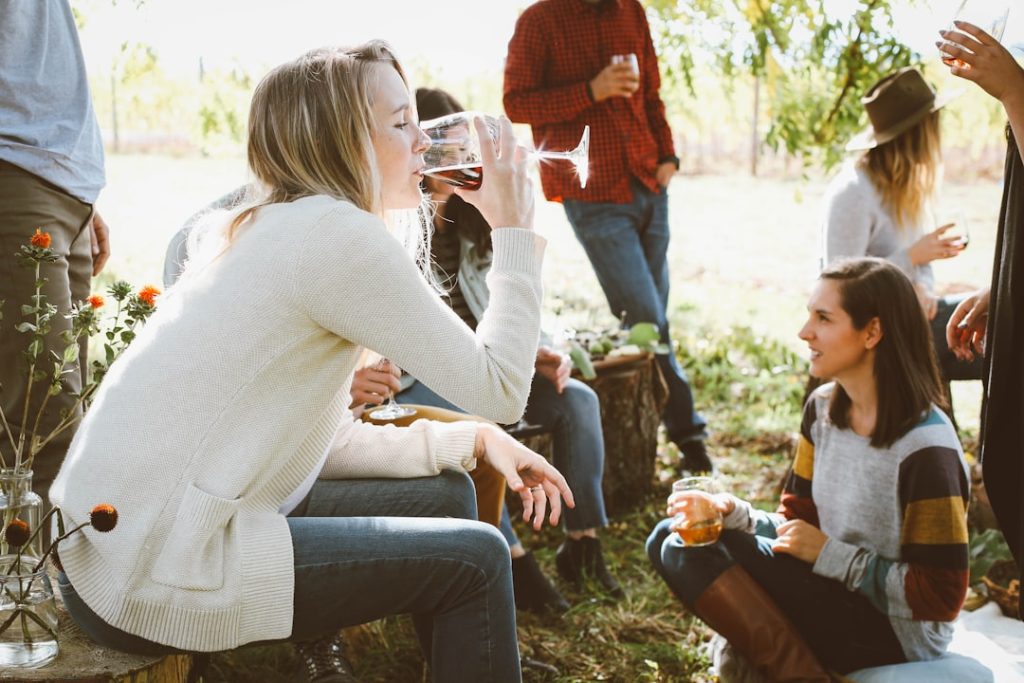
Photo by Kelsey Chance on Unsplash
Stay Connected with Flamr
Don’t forget to follow Flamr on social media!
Relacionado
Discover more from Fyra - Dating App for Progressives
Subscribe to get the latest posts sent to your email.