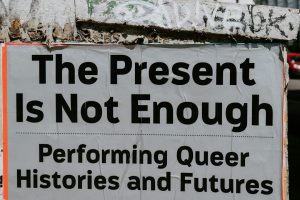
Love, Liberation, and the Fight for Trans and Queer Futures
On a dating app, it can feel like the world shrinks down to swipes, chats, and the chemistry of two people trying to figure each other out. But every connection we make is shaped by the world outside our screens—by laws, norms, and systems that decide whose love is celebrated, whose bodies are protected, and whose futures are possible.
LGBTQ+ rights are often framed as a “culture war,” but that framing misses the truth: this is about people’s ability to live, love, and exist without fear. It’s about whether queer and trans people can imagine futures that include joy, partnership, and safety. And for those of us using modern dating apps—whether we’re queer, trans, questioning, or allies—our choices and values are part of that story.
This isn’t just a political issue. It’s deeply personal. It’s about who gets to hold hands in public, who gets to list their pronouns without fear, who gets to bring their full self into a first date—or even into a profile bio.
From Criminalization to Visibility: A Brief Look Back
To understand where we are, it helps to remember how far we’ve come—and how uneven that progress has been.
In many countries, queer and trans lives were criminalized for most of modern history. Same-sex relationships were punishable by prison, violence, or death. Trans people were forced into closets, institutions, or dangerous underground medical systems. Even in places that now celebrate Pride, it wasn’t long ago that police raids, forced outings, and public shaming were routine.
Some milestones in LGBTQ+ rights history include:
- Mid-20th century: Early homophile movements in the U.S. and Europe, often focused on “respectability” and quiet advocacy.
- 1960s–70s: The Stonewall uprising and other acts of resistance helped catalyze modern LGBTQ+ movements, led by trans women of color, drag queens, and queer youth.
- 1980s–90s: The HIV/AIDS crisis exposed government neglect and fueled powerful organizing, mutual aid, and direct action.
- 2000s–2010s: Marriage equality became a central demand in many countries, bringing legal recognition but often overshadowing issues like trans healthcare, homelessness, and criminalization.
Even as some legal victories were won, many people were left behind—particularly Black, Indigenous, and other people of color; trans and nonbinary people; sex workers; and undocumented migrants. The story of LGBTQ+ rights has never been a single, linear path. It’s a patchwork of progress and backlash, liberation and loss.
The Current Landscape: Progress and Pushback
Today, LGBTQ+ rights are at a crossroads. In some places, we see expanding protections, gender recognition laws, and growing cultural acceptance. In others, we’re seeing intensified attacks on trans people, drag performers, queer educators, and anyone who doesn’t conform to rigid gender norms.
Some realities coexist at once:
- Legal recognition and backlash: Many countries now recognize same-sex relationships and protect against some forms of discrimination. At the same time, there’s a surge of anti-trans legislation, book bans targeting queer stories, and attempts to restrict gender-affirming care.
- Visibility and vulnerability: Queer and trans people are more visible in media, politics, and public life than ever. That visibility can be empowering—but it also makes people targets for harassment, doxxing, and violence, especially online.
- Mental health and resilience: LGBTQ+ communities face higher rates of depression, anxiety, and suicide attempts, largely due to stigma and discrimination. Yet these communities also build powerful networks of care, mutual aid, and chosen family.
Dating apps sit right in the middle of this moment. They can be tools of liberation—helping people find community, love, and affirmation. They can also reproduce the biases and dangers of the offline world: fetishization, harassment, transmisogyny, racism, and biphobia.
Progress isn’t just about the law; it’s about daily life. It’s whether a trans person can put their real name on a profile without fear. Whether a nonbinary person can choose accurate gender options. Whether a queer couple can safely describe their relationship style. These details matter.
Queer and Trans Love as a Site of Resistance
In a world that often tries to regulate whose relationships are “valid,” queer and trans love is quietly radical. It challenges the idea that there is only one right way to build a life: one man, one woman, one house, one script.
For many LGBTQ+ people, dating is intertwined with survival and self-discovery. Coming out isn’t a one-time event; it’s a process that repeats with every new match, every first date, every “by the way, I’m trans” or “I’m polyamorous” or “I use they/them pronouns.”
That vulnerability takes courage. And it also creates possibilities for deeper honesty and more expansive visions of what relationships can be. Queer and trans communities have long experimented with:
- Chosen family: Building networks of care that aren’t limited to biological ties or romantic partnerships.
- Nontraditional relationship structures: Polyamory, relationship anarchy, and other forms of connection that prioritize consent, communication, and autonomy.
- Shared survival strategies: From safety plans for first dates to community call-out systems for abusive behavior, LGBTQ+ communities have created tools to protect each other.
These practices don’t belong only to queer and trans people—but they’ve often been refined in LGBTQ+ spaces out of necessity. They offer models for everyone, regardless of identity: models rooted in consent, care, and mutual respect.
When we talk about “rights,” it’s easy to focus on laws and policies. But the right to love freely, to define our own relationships, and to be seen as we are—that’s political too. Every bio that says “all genders welcome,” every profile that lists pronouns, every conversation that begins with “how can I respect your boundaries?” is part of a larger movement toward liberation.
Building a Future Where Everyone Belongs
Imagining a future where LGBTQ+ people thrive isn’t a fantasy; it’s a roadmap. It asks us to think beyond tolerance and toward true belonging—where queer and trans people don’t just survive, but shape the world.
A future rooted in LGBTQ+ justice might include:
- Affirming healthcare: Accessible, evidence-based gender-affirming care; culturally competent mental health support; and reproductive justice that includes queer and trans families.
- Protective laws and lived safety: Strong anti-discrimination protections, decriminalization of queer and trans lives, and a commitment to addressing violence—especially against trans women of color.
- Inclusive education: Curricula that reflect LGBTQ+ histories and experiences, comprehensive sex education, and schools where queer and trans youth are supported rather than punished.
- Economic justice: Addressing housing insecurity, workplace discrimination, and barriers to employment that disproportionately impact LGBTQ+ people, particularly those at the intersections of race, disability, and class.
Technology, including dating apps, has a role to play. Platforms can:
- Offer nuanced gender and orientation options, and let people describe themselves in their own words.
- Build robust safety tools, including reporting systems, blocking features, and moderation that understands anti-LGBTQ+ harassment.
- Highlight community guidelines that explicitly protect queer and trans users and make those protections real in practice.
- Support education around consent, pronouns, and inclusive behavior.
But apps alone can’t create liberation. That work happens in conversations between matches, in the small choices we make about how we show up for each other, and in the broader movements we support offline.
How We Date Is How We Change the World
LGBTQ+ rights aren’t an abstract issue separate from our romantic lives. They shape who we meet, how safe we feel, and what futures we can imagine together. Every time we swipe, message, or show up for a date, we bring our values with us.
Some questions worth reflecting on:
- Do my dating preferences reflect genuine attraction, or have I internalized stereotypes and biases about race, gender, body size, or transness?
- Do I make space for conversations about identity, pronouns, and boundaries without putting the burden on queer and trans people to educate me?
- How do I respond when someone shares a vulnerable part of their story—like being trans, nonbinary, bi, or questioning?
- Am I willing to challenge friends or matches when they make jokes or comments that dehumanize LGBTQ+ people?
Changing laws is essential. So is changing culture. And culture shifts through everyday interactions: the date where you ask someone’s pronouns and actually use them; the moment you stand up for a trans friend; the time you choose not to stay silent when a relative dismisses someone’s identity as a “phase.”
If you’re queer or trans, know that your love, your crushes, your awkward first dates—they’re not trivial. They’re part of a lineage of resistance and resilience. Choosing joy in a world that tries to erase you is a radical act.
If you’re cis or straight, you’re part of this story too. You have power in your communities, your conversations, and your choices. You can decide to be someone who makes the world safer for LGBTQ+ people to show up fully—on dating apps, in public, and in every corner of their lives.
As you swipe, chat, flirt, or fall in love, consider this an invitation: not just to find a partner, but to be a partner in building a more just world. Ask yourself what it would mean to make your dating life a place where everyone’s humanity is honored—where queer and trans futures are not just tolerated, but celebrated.
Because the fight for LGBTQ+ rights isn’t happening somewhere else. It’s happening right here, in how we see each other, how we treat each other, and the kind of love stories we’re willing to imagine.
What role do you want to play?
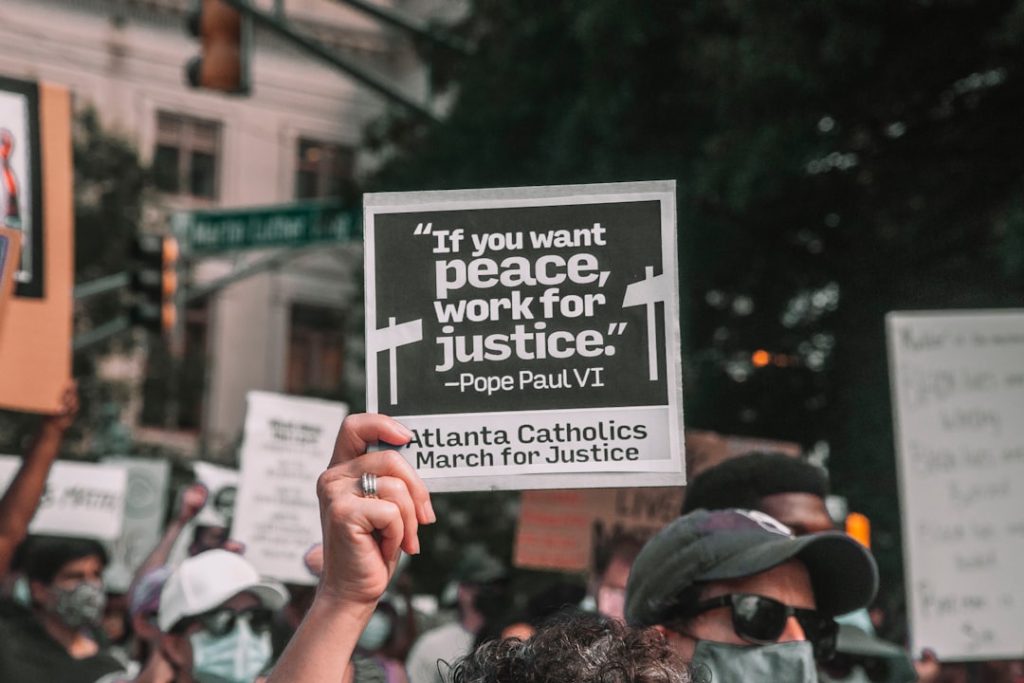
Photo by Maria Oswalt on Unsplash
Stay Connected with Flamr
Don’t forget to follow Flamr on social media!
Relacionado
Scopri di più da Fyra - Dating App for Progressives
Abbonati per ricevere gli ultimi articoli inviati alla tua e-mail.