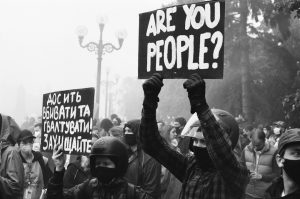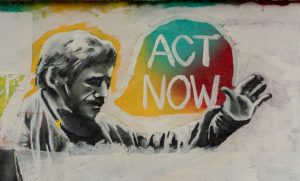

Activism is deeply human work. It’s born from love, anger, hope, grief, and a fierce desire to see the world become more just. That emotional fire is powerful—but it also has a cost. In 2026, with constant crises, social media overload, and ongoing political tensions, many activists are exhausted, discouraged, or quietly burning out.
If that’s you, you’re not alone—and nothing is “wrong” with you. You’re responding in a very human way to sustained stress and injustice. This post is for you: to offer validation, practical tools, and a reminder that your wellbeing matters as much as the causes you care about.
What Burnout Looks Like in Activism
Burnout isn’t just “being tired.” It’s a state of physical, emotional, and mental exhaustion caused by prolonged stress. In activism, it can be intensified by moral urgency and the pressure to “never stop fighting.”
Common warning signs include:
– Emotional exhaustion
– Feeling numb, hopeless, or constantly overwhelmed
– Crying easily or feeling like you have no emotional bandwidth left
– Feeling detached from issues you used to care deeply about
– Physical symptoms
– Chronic fatigue, headaches, muscle tension, stomach issues
– Sleep problems: insomnia, nightmares, or sleeping much more than usual
– Getting sick more often or taking longer to recover
– Cynicism and detachment
– “What’s the point? Nothing will ever change.”
– Irritation or resentment toward other activists or communities you serve
– Avoiding meetings, messages, or projects you used to enjoy
– Reduced sense of effectiveness
– Feeling like your work doesn’t matter or isn’t enough
– Struggling to make decisions or follow through on tasks
– Constant self-criticism and guilt for “not doing more”
If you recognize yourself in these signs, it doesn’t mean you’ve failed. It means your current pace and load aren’t sustainable—and something needs to shift.
The Emotional Weight of Activism
Activism often involves:
– Witnessing or experiencing trauma, oppression, and violence
– Being exposed to distressing news and social media content daily
– Navigating conflict within movements or communities
– Feeling pressure to be “always on” and “always informed”
These are not small things. They accumulate. And because activism is often framed as a moral obligation, many people feel guilty for resting, stepping back, or setting boundaries. That guilt can be more harmful than the rest itself.
Here’s a truth that might feel uncomfortable but is vital:
You are not a machine for social change. You are a human being. Your wellbeing is not a distraction from the work; it is part of the work.
Sustainable Activism: Shifting from Crisis Mode to Long-Term Care
Sustainable activism means finding ways to stay engaged over the long haul without sacrificing your health, relationships, or sense of self. It’s less about doing everything and more about doing what you can, consistently, within your limits.
1. Set Realistic Boundaries
Boundaries are not selfish; they are protective.
– Time limits
– Decide how many hours per week you can realistically devote to activism.
– Block off non-negotiable rest time in your calendar.
– Information limits
– Choose specific times to check news and social media, rather than scrolling constantly.
– Unfollow accounts that leave you feeling hopeless or chronically triggered, even if they’re “important.”
– Role boundaries
– You don’t have to be the organizer, educator, emotional support person, and strategist all at once.
– Clarify what roles you can sustainably hold and which ones you cannot.
Ask yourself: What would my activism look like if it respected my human limits?
2. Practice Intentional Self-Care (Beyond Bubble Baths)
Self-care is often trivialized, but in activism it’s a survival skill. It’s not just about comfort—it’s about regulation, grounding, and replenishment.
Try building a simple self-care framework around three areas: body, mind, and connection.
Body:
– Prioritize sleep as a non-negotiable form of resistance to burnout.
– Eat regularly, even if it’s simple food; low blood sugar intensifies emotional distress.
– Move your body: stretching, walking, dancing, yoga, or any gentle activity you can sustain.
Mind:
– Practice grounding techniques (especially after protests or heavy meetings):
– 5-4-3-2-1: Name 5 things you see, 4 you feel, 3 you hear, 2 you smell, 1 you taste.
– Box breathing: inhale for 4, hold for 4, exhale for 4, hold for 4.
– Limit doomscrolling; choose one or two trusted sources and check them intentionally.
– Use journaling to process emotions: “What am I feeling? What do I need right now?”
Connection:
– Stay in touch with people who know you beyond your activism.
– Create or join spaces (online or offline) where activists can share feelings, not just strategies.
– Let yourself receive care: say yes when someone offers help or support.
Self-care isn’t about “fixing” all your pain. It’s about giving your nervous system regular chances to reset so you can keep going.
3. Build Emotional Resilience Without Numbing Out
Emotional resilience is the ability to feel deeply and stay grounded. It’s not about becoming less sensitive; it’s about having tools to navigate what you feel.
Some resilience practices:
– Name your emotions honestly
“I feel grief,” “I feel rage,” “I feel hopeless.” Naming reduces shame and opens the door to support.
– Normalize your reactions
Feeling overwhelmed in a world full of injustice is not a personal flaw—it’s a reasonable response.
– Develop a “distress plan”
Decide in advance what you’ll do when you feel overloaded:
– Who can you text or call?
– What activity helps you come back into your body?
– What boundaries can you temporarily tighten (e.g., log off social media, skip a meeting)?
– Celebrate small wins
Activism rarely offers instant systemic change. Notice and name smaller impacts: a conversation that shifted, a person who felt seen, a policy step forward. These matter.
4. Lean on Community Support
You don’t have to carry this alone. Community support is one of the most powerful antidotes to burnout.
– Share the emotional labor
Make space in meetings to talk about how people are feeling, not just what they’re doing.
Rotate roles so the same people aren’t always holding the hardest tasks.
– Create care practices in your groups
– Debrief after protests or difficult events, including emotional check-ins.
– Establish “tap-out” norms where people can step back without guilt or punishment.
– Encourage people to take breaks and model it as leadership, not weakness.
– Seek peer support spaces
Look for activist support groups, affinity spaces, or online communities that explicitly focus on mental health in social justice work. Sharing experiences with others who understand can reduce isolation and shame.
5. Give Yourself Permission to Rest and Step Back
This might be the hardest part: accepting that it’s okay to pause, change your level of engagement, or focus on healing.
Important truths:
– You are not the sole guardian of justice. Movements are collective; you are one vital part, not the entire engine.
– Rest is not betrayal. It’s what allows you to return with clarity, creativity, and compassion.
– Stepping back can be temporary or permanent—and either choice can be valid.
If you’re at the edge of burnout, consider:
– Taking a defined break (a week, a month, several months) and communicating it clearly.
– Shifting to lower-intensity roles: research, art, mutual aid behind the scenes, financial support, or mentoring.
– Focusing on local, smaller-scale actions that feel manageable rather than global crises you can’t personally control.
Professional Support and Resources
Sometimes activism-related stress intersects with trauma, depression, anxiety, or other mental health challenges that benefit from professional care.
If you can access it, consider:
– Therapy or counseling with someone who understands social justice contexts and won’t pathologize your activism.
– Support groups for trauma, grief, or burnout, especially ones tailored to organizers, frontline workers, or marginalized communities.
– Hotlines and crisis support if you’re in immediate distress:
– Check your country’s crisis lines (e.g., suicide prevention hotlines, text lines).
– Many offer free, anonymous support and can be a bridge to longer-term care.
Online resources to explore:
– Articles and guides on “activist burnout” and “vicarious trauma”
– Organizations that focus on healing justice, transformative justice, and community care
– Apps for mindfulness, grounding, and emotion regulation (choose ones that feel supportive, not performative)
If access to formal care is limited, community-based care—trusted friends, peer circles, spiritual or cultural support systems—can still be deeply meaningful.
You Are Worth Protecting
Your compassion, your anger at injustice, your commitment to change—these are precious. They deserve to be protected, not exploited, even by your own sense of obligation.
You don’t have to earn rest by breaking down. You don’t have to prove your dedication by sacrificing your mental health. You are allowed to be a whole person while being an activist.
As you move forward, consider asking yourself regularly:
– What do I need to feel a little safer, a little more grounded, today?
– What can I let go of to make my activism more sustainable?
– Who can walk alongside me so I don’t carry this alone?
Your wellbeing is not separate from the world you’re trying to build. A just, liberated future includes you—alive, present, and able to feel joy, not just struggle.
Photo by Vitaly Gariev on Unsplash
Relacionado
Discover more from Fyra - Dating App for Progressives
Subscribe to get the latest posts sent to your email.