If you’ve been watching the news in 2026 and feeling a mix of anger, hope, and “I need to do something,” you’re not alone. Across the country, people are organizing around climate justice, racial equity, reproductive rights, worker protections, LGBTQ+ liberation, housing, and more. The good news: there are many ways to plug into progressive community events and organizations—whether you have five hours a week or five minutes on your lunch break.
This guide walks through practical, concrete ways to get involved locally, both online and offline, at different levels of commitment. The goal isn’t perfection or burnout; it’s building sustainable community and collective power.
—
Why Local Community Action Matters
National politics often grabs the headlines, but local action shapes daily life: school curricula, policing practices, rent control, public transit, library funding, climate adaptation plans. When neighbors organize together, they can:
– Pass city and county-level reforms
– Defend vulnerable communities from harmful policies
– Build mutual aid networks that meet immediate needs
– Create spaces for political education and solidarity
– Develop new leaders and long-term infrastructure
Individual action matters, but collective action multiplies impact. Joining or helping build a local progressive community is one of the most effective ways to turn values into change.
—
Finding Progressive Groups and Events Near You
You don’t need to know the “right” organization to start. Use these practical steps to discover what’s already happening around you:
1. Start with a simple search
Try combinations like:
– “progressive organizations near me”
– “[your city] mutual aid group”
– “[your city] tenants union”
– “[your city] climate justice group”
– “[your city] Black Lives Matter”
– “[your city] reproductive rights coalition”
– “[your city] LGBTQ center”
Then look for websites, Facebook pages, or Instagram accounts with clear contact info and upcoming events.
2. Check community hubs
Local institutions often host or advertise progressive events:
– Public libraries (zine-making workshops, civic forums, book clubs)
– Community centers and YMCAs
– University or college campuses (even if you’re not a student)
– Co-working spaces and makerspaces
– Independent bookstores and cafes
Look for flyers, bulletin boards, or event calendars. Many spaces host discussions on housing, policing, climate, and labor rights.
3. Use event platforms and social media
– Eventbrite, Meetup, Facebook Events: Search by cause (“environmental justice,” “racial equity,” “workers’ rights”) and filter by location.
– Instagram & TikTok: Follow local hashtags like `#[yourcity]organizing`, `#[yourcity]mutualaid`, `#[yourcity]progressive`.
– Nextdoor & local Reddit: Despite their mixed reputation, they can surface neighborhood groups, town halls, and issue-based coalitions.
4. Ask people directly
If you attend a protest, panel, or community meeting, talk to organizers or other participants:
– “Are there ongoing meetings or working groups?”
– “Is there a volunteer list I can join?”
– “What’s the best way to stay updated?”
Most grassroots groups are eager to welcome new people, especially if you’re clear about your interests and capacity.
—
Types of Progressive Involvement: Choose Your Level
Everyone’s time, energy, and comfort level are different. You don’t need to do everything. Choose what fits your life now, and know you can shift later.
Low-Commitment Online Involvement
Good for busy schedules, health limitations, or people just starting out.
1. Stay informed through trusted sources
– Follow local chapters of national orgs:
– Sunrise Movement, Black Lives Matter, Planned Parenthood, ACLU, DSA, NAACP, National Domestic Workers Alliance, LGBTQ+ advocacy groups.
– Subscribe to newsletters from:
– Local newspapers and alt-weeklies
– Community radio stations
– City council members or school board representatives aligned with your values
2. Signal boost and amplify
Use social media intentionally:
– Share event flyers, petitions, and fundraisers from local groups
– Highlight mutual aid requests (rent support, grocery funds, bail funds)
– Promote campaigns for ballot initiatives, union drives, or community defense
This helps organizers reach people beyond their immediate networks.
3. Micro-volunteering and digital support
– Sign and share petitions with local impact (zoning changes, school policies, police oversight)
– Send emails or make calls when groups launch “call your representative” campaigns
– Join text-banking or phone-banking sessions from home during elections or issue campaigns
These actions are small individually but powerful when thousands participate.
—
Low-Commitment Offline Involvement
Good for testing the waters and meeting people without a big time commitment.
1. Attend public events
Look for:
– Rallies, marches, and vigils
– Teach-ins and panel discussions
– Film screenings and book talks on progressive issues
– Town halls and listening sessions hosted by community groups
Try to talk with at least one organizer or attendee and ask how to stay connected.
2. Drop-in volunteer days
Many organizations host one-off or occasional opportunities:
– Food bank sorting and distribution
– Community garden workdays
– Street outreach and harm reduction efforts
– Tabling at festivals or farmers markets
– Park and neighborhood clean-ups with environmental groups
These are great entry points to learn more and see if you want to deepen your involvement.
—
Higher-Commitment Online Involvement
Ideal if you’re comfortable working remotely or have skills you can contribute digitally.
1. Join an ongoing working group
Some organizations have online committees for:
– Communications and social media
– Policy research and data analysis
– Fundraising and grant writing
– Graphic design and content creation
You might attend monthly Zoom meetings and take on tasks between sessions.
2. Support digital infrastructure
Offer help with:
– Website maintenance
– Email newsletter design and scheduling
– Managing volunteer sign-up forms and databases
– Running online trainings and webinars
These behind-the-scenes roles are essential to keeping local movements running smoothly.
—
Higher-Commitment Offline Involvement
This is where long-term community and deeper power-building happen.
1. Join a local organization or chapter
Consider:
– Issue-based groups: Climate justice, immigrant rights, prison abolition, reproductive justice, housing, disability rights, racial equity.
– Membership organizations: Democratic Socialists of America (DSA), local tenants unions, worker centers, neighborhood associations, youth-led groups.
– Mutual aid networks: Grassroots projects focused on sharing resources and support without gatekeeping.
You might attend regular meetings, help plan campaigns, and take on leadership roles over time.
2. Organize in your workplace or school
Progressive organizing isn’t just “out there”—it’s where you already are:
– Support or start a union drive or workplace organizing committee
– Join a diversity, equity, and inclusion council and push for real changes
– Advocate for fair scheduling, living wages, and anti-harassment policies
– In schools, join or support student organizations focused on justice issues
Workplace and campus organizing can be some of the most impactful and personally transformative work.
3. Build neighborhood-based structures
Hyper-local organizing is powerful:
– Start or join a tenants union in your building or block
– Help organize a neighborhood safety network that doesn’t rely on policing
– Set up a community fridge, free pantry, or clothing swap
– Coordinate child care or elder support among neighbors
These efforts build trust, resilience, and a foundation for political action.
—
Causes and Campaigns You Might Plug Into
Progressive movements are interconnected. Many groups work at the intersections of multiple issues. Here are some common focus areas and examples of local campaigns:
– Climate and environmental justice
– Fighting polluting infrastructure in low-income communities
– Pushing for green public transit, bike lanes, and urban trees
– Supporting indigenous land and water protectors
– Racial justice and policing
– Advocating for alternatives to policing and incarceration
– Campaigning for civilian oversight boards
– Supporting bail funds and community defense efforts
– Housing and economic justice
– Organizing for rent control and eviction protections
– Supporting unionization and fair labor practices
– Building mutual aid funds for emergency support
– Reproductive and gender justice
– Defending abortion access and comprehensive sex education
– Supporting local clinics and reproductive health funds
– Advocating for trans-affirming healthcare and protections
– LGBTQ+ rights
– Fighting anti-trans legislation
– Supporting queer youth programs and safe spaces
– Promoting inclusive school policies and curricula
You don’t have to pick just one cause forever, but focusing can help you build depth and relationships.
—
Staying Grounded and Sustainable
Progressive activism can be energizing and exhausting. To avoid burnout:
– Choose a realistic level of commitment. It’s better to do a small, consistent amount than to overextend and disappear.
– Find community, not just tasks. Look for spaces where people care about each other’s well-being, not just output.
– Practice boundaries. It’s okay to say no, take breaks, or shift roles as your life changes.
– Celebrate wins and small steps. A successful meeting, a new volunteer, a protected tenant, a policy change—all matter.
Progressive movements need people over the long term, not just during crises or election seasons.
—
Taking Your First (or Next) Step
You don’t need to have all the answers or be perfectly informed to get involved. You just need to start. This week, you could:
– Look up “mutual aid [your city]” and follow one group on social media
– Attend one local event (a talk, rally, or volunteer day)
– Sign up for a newsletter from a progressive organization
– Ask a friend if they want to go with you to a community meeting
– Email a local group and say, “I’m interested in helping. Here’s how much time I have and what I’m good at.”
Community and collective action are built from these small, intentional choices. In a time of overlapping crises, choosing to connect, organize, and care for one another is profoundly hopeful—and deeply necessary.
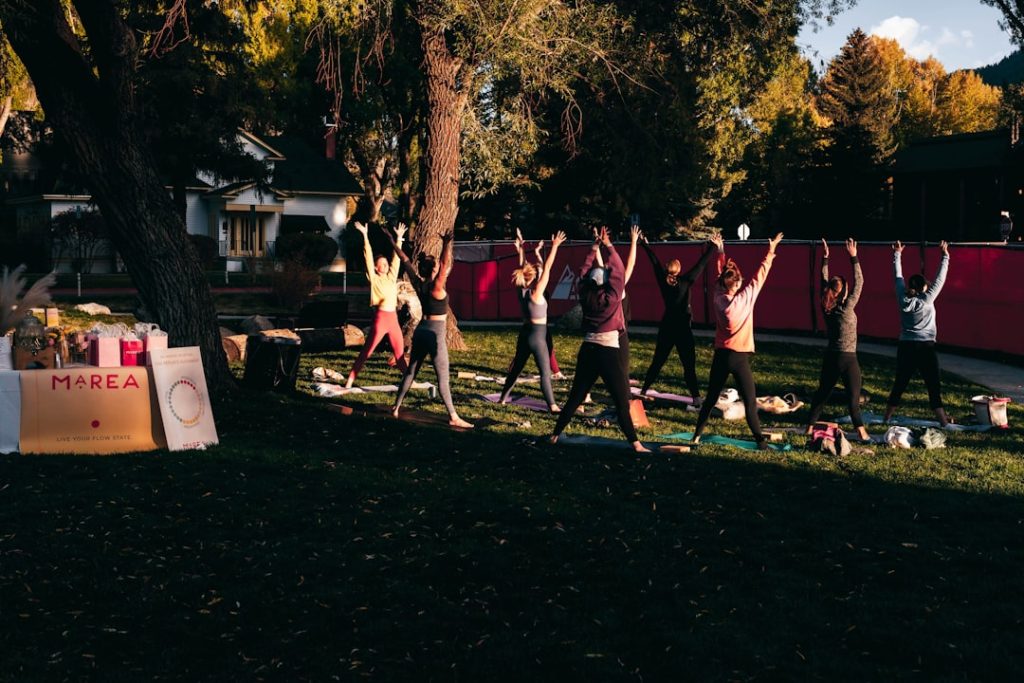
Photo by Marea Wellness on Unsplash
Relacionado
Discover more from Fyra - Dating App for Progressives
Subscribe to get the latest posts sent to your email.