Love, Power, and the Ballot: Dating in the Era of Voting Rights Fights
On a dating app, we usually talk about chemistry, compatibility, and whether you’re a “go out” or “stay in” person. But beneath all the flirty banter, another question quietly shapes our connections: What kind of world are we trying to build together?
For a lot of progressive daters, voting rights have become a surprising but powerful part of that conversation. It’s not just about whether someone votes every election; it’s about how they understand power, justice, and who deserves a voice. In an era of voter suppression, disinformation, and deep cynicism about politics, the way someone talks about voting can say as much about them as their taste in music or their stance on pineapple on pizza.
This isn’t about turning dating into a civics exam. It’s about recognizing that love and democracy are intertwined: both depend on consent, participation, and the belief that every person matters.
How We Got Here: A Brief History of Whose Voice Counts
The story of voting rights in the United States is basically a long, messy argument over who counts as fully human.
At the country’s founding, the right to vote was largely reserved for white, land-owning men. Everyone else—Black people, women, Indigenous communities, poor white people, immigrants—were pushed to the margins, treated as subjects rather than participants.
Over time, that circle widened, but always through struggle:
- Reconstruction and backlash: After the Civil War, Black men were formally granted the right to vote. Black political power briefly surged in the South—then white supremacist violence, Jim Crow laws, poll taxes, and literacy tests crushed that progress. The legal right existed on paper; in practice, it was stolen.
- Women’s suffrage: Women fought for generations to gain the right to vote, finally winning it nationally in 1920. Even then, many Black women and other women of color were blocked from voting by racist laws and intimidation.
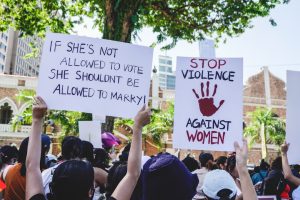
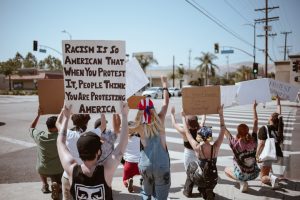
- Civil Rights Movement: It took mass protest, bloodshed, and the courage of ordinary people to push through the Voting Rights Act of 1965, which targeted discriminatory practices and allowed federal oversight in places with a history of suppression. It was one of the most significant victories for multiracial democracy in U.S. history.
And then, in recent decades, that progress has been chipped away. Court decisions weakened key parts of the Voting Rights Act. States moved quickly to pass strict ID laws, purge voter rolls, close polling places, and redraw districts in ways that dilute the political power of Black, brown, young, poor, disabled, and immigrant communities.
So when we talk about voting rights today, we’re not just talking about “civic duty.” We’re talking about whether we’re continuing a long tradition of exclusion or actively choosing a different path.
Where We Are Now: Swipe Culture Meets Civic Culture
We live in a strange moment. It’s easier than ever to match with someone across town, and yet many people feel deeply disconnected from the systems that shape their lives. Some of that is by design: voter suppression isn’t just about laws; it’s about creating a culture of exhaustion and hopelessness where people feel like nothing they do matters.
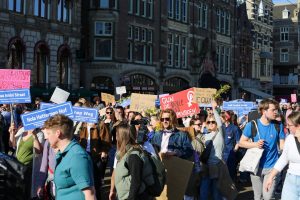
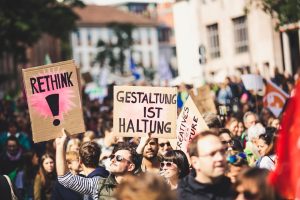
At the same time, there’s a growing wave of people—especially younger generations—who see voting as one tool in a much bigger toolbox for change. They organize, protest, volunteer, mutual-aid, and yes, they vote. They also ask their dates questions like:
- “How do you feel about people losing their voting rights after incarceration?”
- “Do you think voting should be easier, like automatic registration or making Election Day a holiday?”
- “Have you ever helped someone register to vote or get to the polls?”
These aren’t purity tests; they’re windows into how someone thinks about power, fairness, and community. Someone might not know all the policy details, but their curiosity, empathy, and willingness to learn can speak volumes.
On a progressive dating app, this can show up in profiles, too. People mention canvassing, working at the polls, or caring about issues like gerrymandering and disenfranchisement. Some say outright: “If you don’t vote, we’re probably not a match.” Others are more nuanced, recognizing that not everyone has equal access to the ballot and that disillusionment with the system is often rooted in real harm.
What matters is the direction: Are they moving toward engagement or retreat?
Imagining a More Loving Democracy
It’s easy to treat voting rights as a technical question—about district lines, ID requirements, or registration forms. But at its core, it’s about imagination. What could our relationships and communities look like if we treated democracy as an ongoing, shared practice rather than a chore?
Imagine a world where:
- Voting is joyful and communal. Election days feel like block parties: music, food, childcare at polling places, and neighbors helping neighbors get to the polls. Dating app matches meet up to vote together and then grab coffee to debrief, turning civic participation into connection rather than anxiety.
- Access is the default, not the exception. Automatic voter registration, expanded early voting, mail-in options, language access, and full accessibility for disabled voters are just standard. People with felony convictions have their voting rights restored automatically once they return to their communities—or better yet, never lose them at all.
- Political education is woven into everyday life. Schools, workplaces, community centers, and yes, dating apps, normalize conversations about power and policy. Instead of feeling embarrassed for not knowing everything, people feel supported in learning together.
- Representation actually reflects reality. Districts are drawn fairly, not to lock one party into power. Elected officials look like the communities they serve—across race, gender, class, disability, and sexuality. Policy debates aren’t about whether certain groups deserve rights, but how to deepen and expand them.
None of this is guaranteed. It will take organizing, policy change, and cultural shifts. But it’s not a fantasy. Pieces of this world already exist—in local elections with high community turnout, in mutual aid networks that help people get IDs, in groups that text voters rides to the polls, in couples who turn ballot research into a date night ritual.
Democracy at its best is relational. It’s about how we show up for each other, how we negotiate conflict, how we imagine a shared future. That’s also what dating is about. The same skills we need for healthy relationships—listening, compromise, accountability, long-term thinking—are the skills we need for a healthy democracy.
Bringing Voting Rights Into Your Dating Life (Without Killing the Vibe)
You don’t have to turn every first date into a policy seminar. But if voting rights matter to you, it’s okay to let that show. Here are a few gentle ways to weave it in:
- Signal your values in your profile. Mention that you care about voting rights, civic engagement, or specific issues you’re involved in. It helps attract people who share—or are at least open to—your priorities.
- Ask open, non-judgmental questions. Instead of “Do you vote?” try “How do you feel about elections and politics these days?” or “Are there any issues you care a lot about?” That invites a real conversation instead of a yes/no answer.
- Share your own journey honestly. If there were times you didn’t vote or felt disconnected, say so. It can normalize growth and make space for others to be honest about where they’re at.
- Turn action into connection. Suggest volunteering at a voter registration drive, attending a local candidate forum together, or researching ballot measures as a pre-election hangout. It doesn’t have to be intense; it can be curious and even fun.
- Respect different experiences. For some people, especially those targeted by the system, voting can feel complicated, painful, or insufficient. Listen to that. Voting is not the only form of political participation, and it’s not the same risk for everyone.
At the end of the day, you’re looking for someone whose values align with yours in a way that feels sustainable. You don’t have to agree on every candidate or strategy. But if you believe everyone should have a voice, it makes sense to partner with people who share that core commitment.
What Kind of World Are You Swiping For?
Every time you swipe, match, or message, you’re not just choosing a person—you’re choosing a possible future. Not in a grand, cinematic way, but in the quiet, everyday sense: What conversations will you have? What communities will you build together? Who will you show up for, and how?
Voting rights might seem abstract compared to the immediacy of attraction. But they’re deeply connected. A society that tries to silence people at the ballot box is the same society that tries to control bodies, families, and futures. A society that expands voting rights is one that moves closer to honoring everyone’s humanity—including yours, including your partner’s.
So as you navigate the world of matches and messages, take a moment to reflect:
- What does it mean to you that every person’s voice should matter?
- How do your romantic choices reflect the kind of democracy you want to live in?
- What’s one small step you could take—alone or with someone you’re getting to know—to support voting rights where you live?
Love and democracy are both experiments, both unfinished projects. Neither will ever be perfect. But both get stronger when we show up, stay curious, and refuse to accept that the way things are is the way they must always be.
So swipe thoughtfully. Love boldly. And wherever you are in your dating journey, consider how you might also be part of expanding who gets to have a say in our shared future.
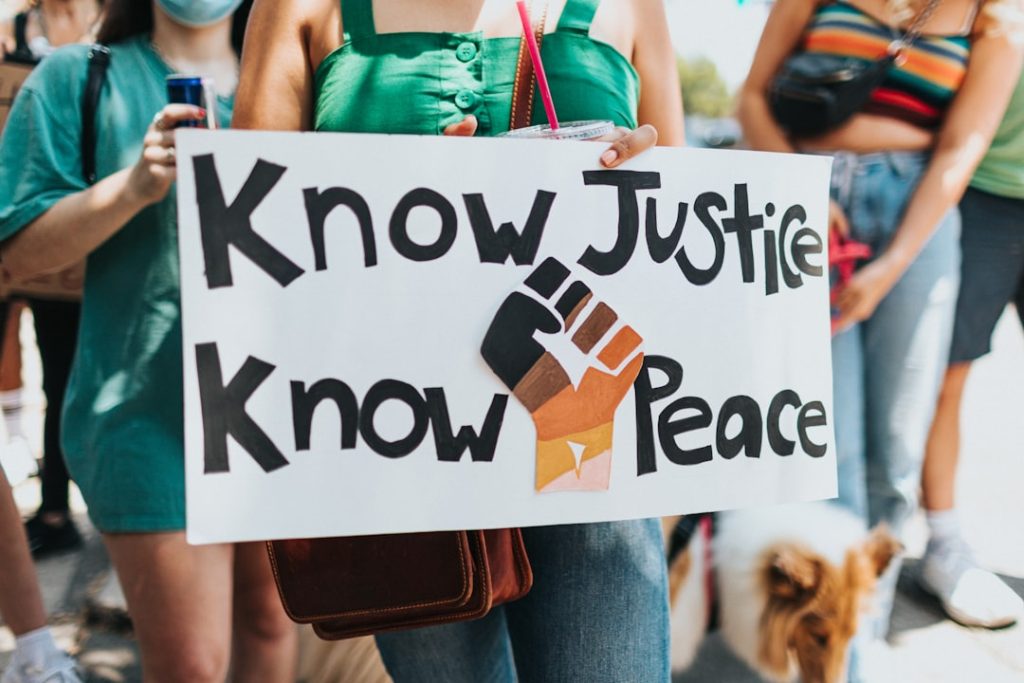
Photo by Nathan Dumlao on Unsplash
Stay Connected with Flamr
Don’t forget to follow Flamr on social media!
Relacionado
Discover more from Fyra - Dating App for Progressives
Subscribe to get the latest posts sent to your email.