Love, Liberation, and the Fight for Trans and Queer Futures
Dating apps are supposed to be about connection, chemistry, and maybe a little bit of chaos. But for many LGBTQ+ people—especially trans, nonbinary, and gender-expansive folks—dating is also about safety, visibility, and survival. Who we love, how we show up, and whether we’re believed about who we are are deeply political questions in this moment.
As anti-trans legislation spreads, book bans target queer stories, and basic healthcare is turned into a culture-war talking point, LGBTQ+ rights aren’t just an “issue area” for policy wonks. They’re a daily reality shaping whether someone feels safe going on a date, holding hands in public, or putting their real pronouns in a profile.
This is a love story, but it’s also a story about power—and what it means to build relationships that are not just romantic, but liberatory.
How We Got Here: Queer History Is a Love Story
The modern LGBTQ+ rights movement is often reduced to a handful of milestones: Stonewall, marriage equality, the end of “Don’t Ask, Don’t Tell.” But underneath those headlines is a longer, quieter history of people building chosen families when their birth families shut the door. That history matters for how we date and love today.
For decades, queer and trans people survived by creating networks of care: sharing rent, swapping hormones, passing around job leads, raising each other’s kids, and showing up at hospital bedsides when legal family refused. During the HIV/AIDS crisis, when governments looked away, queer communities built their own care infrastructure—community clinics, mutual aid funds, meal trains, buddy systems. Love wasn’t just romance; it was logistics, medicine, and grief.
Legal victories changed some of the landscape. Marriage equality expanded hospital visitation, inheritance, and immigration rights for many. Anti-discrimination laws and workplace protections opened doors. But those wins did not reach everyone equally. Black and brown queer and trans people still face higher rates of violence, homelessness, and criminalization. Trans healthcare remains a political battleground. Queer youth in unsupportive families still navigate danger just to exist.
The lesson from this history isn’t that “we’ve come so far” and the story is over. It’s that queer and trans liberation has always been built on everyday acts of care, mutual aid, and defiance—often long before the law caught up. And that same spirit is needed now.
Dating While Queer in 2026: Connection in a Time of Backlash
Right now, LGBTQ+ rights are moving in two directions at once. On one hand, there’s more visibility than ever: queer and trans characters on screen, out politicians, rainbow logos every June. On the other, there’s an intense backlash—hundreds of anti-LGBTQ+ bills, many targeting trans youth, gender-affirming care, and even the right to simply be visible in schools and public life.
For queer and trans people using dating apps, this shows up in ways that are deeply personal:
- Safety concerns: Many trans and nonbinary users worry about harassment, doxxing, or violence when they disclose their identities. Some people feel forced to choose between honesty and safety.
- Algorithmic erasure: When platforms don’t allow nuanced gender and orientation options—or when algorithms quietly deprioritize trans and nonbinary profiles—people are pushed to the margins of digital spaces that claim to be for everyone.
- Tokenization and fetishization: Queer and trans people often encounter objectifying messages, invasive questions, and “preferences” that are really thinly veiled prejudice.
- Legal and regional realities: In some places, simply attending a queer event, expressing gender nonconformity, or accessing care can be risky. This shapes where people feel safe going on dates, and whether they can be out at all.
At the same time, queer and trans communities are using technology in powerful ways:
- Creating identity-affirming spaces with detailed pronoun and gender options, and filters that help people find others who share their values.
- Organizing mutual aid, rides to protests, and fundraisers for gender-affirming care or emergency housing—often through the same apps where people meet dates and friends.
- Using bios and prompts not just to flirt, but to signal politics: “trans-inclusive or swipe left,” “no TERFs, no racists,” “BLM,” “pro-choice,” “abolitionist,” “here for queer joy and liberation.”
Dating is never just about two people; it’s about the world they meet inside. When that world is hostile to queer and trans existence, the stakes of every swipe get higher.
Beyond “Acceptance”: Toward Queer and Trans Liberation
Mainstream narratives often frame LGBTQ+ rights as a journey from “tolerance” to “acceptance” to “inclusion.” But for many queer and trans people, the goal isn’t to be accepted into an unjust status quo—it’s to transform the conditions that make life precarious in the first place.
That’s the difference between:
- Being “okay with” trans people and actively supporting access to gender-affirming care, safe housing, and jobs.
- Having a gay friend and challenging homophobic jokes, policies, and institutions—even when it’s uncomfortable.
- Swiping right on queer and trans people and actually building relationships that honor their full humanity and lived experience.
Queer and trans liberation is tied up with other struggles: racial justice, disability rights, migrant justice, economic equality, reproductive freedom. A Black trans woman’s safety is shaped not just by transphobia, but by racism, policing, housing policy, healthcare access, and more. A disabled queer person’s ability to date is impacted by transit, accessible venues, and the cost of care.
If we want a future where queer and trans love can flourish, we have to think beyond individual “allyship” and toward collective change. That means:
- Supporting policies that protect LGBTQ+ people from discrimination in housing, employment, education, and healthcare.
- Defending and expanding gender-affirming care, especially for trans youth and low-income adults.
- Challenging the criminalization of queer and trans people, particularly Black, brown, unhoused, and sex-working communities.
- Backing educators, librarians, and organizers who are fighting censorship and creating spaces where queer and trans youth can see themselves in stories.
Liberation is a collective project. But it’s also built in the micro-moments of how we treat each other—especially in intimate spaces like dating.
Dating as a Political Practice: How We Show Up for Each Other
It might feel strange to connect your dating life to social movements, but the values we bring to relationships are deeply political. Every profile, message, and date is a chance to practice the world we want to live in.
Some starting points:
- Lead with curiosity, not entitlement. If someone shares that they’re trans, nonbinary, intersex, or questioning, you’re not entitled to their medical history, “before” photos, or trauma stories. Ask yourself: “Is this question about their humanity—or my curiosity?”
- Believe people about who they are. If someone tells you their name, pronouns, gender, or orientation, that’s the truth. You don’t have to “get it” to respect it.
- Interrogate your “preferences.” Attraction is real, but it’s also shaped by racism, fatphobia, transphobia, ableism, and more. When you say “just a preference,” ask where that preference came from—and who it excludes.
- Practice consent and care. Queer and trans people often navigate higher rates of violence and boundary violations. Clear communication, enthusiastic consent, and respect for “no” are non-negotiable.
- Share the emotional labor. Don’t rely on queer and trans dates to educate you about every issue. Use your own time to learn, and treat what they choose to share as a gift, not a requirement.
If you’re cisgender or straight (or perceived that way), your role in queer and trans liberation is not just who you date, but how you show up:
- Challenge transphobic or homophobic comments in your friend groups and families.
- Support queer and trans creators, organizers, and small businesses.
- Vote in ways that protect LGBTQ+ rights—and talk with your matches about why that matters to you.
- Make your values visible in your profile so queer and trans people know you’re a safer person to connect with.
Love is not neutral. It can reinforce the status quo—or it can be a site of resistance and transformation.
Imagining Queer Futures: What Are We Swiping Toward?
It’s easy to feel overwhelmed by the scale of the backlash against LGBTQ+ rights. But queer and trans communities have always been experts at imagining futures that don’t exist yet—and then building them, piece by piece.
Imagine:
- Dating apps where gender and orientation options are expansive, fluid, and easy to update as people grow.
- Cities where queer and trans people can walk down the street, hold hands, and exist without fear of harassment or police violence.
- Healthcare systems where gender-affirming care is accessible, free at point of use, and treated as essential, not elective.
- Schools and libraries where queer and trans stories are celebrated, not censored—and where young people can explore identity without fear.
- Legal systems that protect LGBTQ+ people from discrimination and violence, rather than criminalizing them.
These futures won’t arrive on their own. They’re built through policy fights, mutual aid, cultural change—and yes, through the everyday choices we make about how we treat each other in intimate spaces.
So as you swipe, flirt, and date, consider this an invitation:
- Reflect on how your dating life aligns with your values. Where are you proud? Where can you grow?
- Have one deeper conversation—on or off the app—about queer and trans liberation, not just queer and trans visibility.
- Take one concrete action: donate, volunteer, show up at a meeting, call a representative, support a friend, correct a family member, update your profile to reflect your politics.
The fight for LGBTQ+ rights is not separate from the search for love; it’s woven into it. Every time we choose to show up with integrity, courage, and care, we’re not just looking for a match—we’re helping build a world where all of us can love and be loved in safety and freedom.
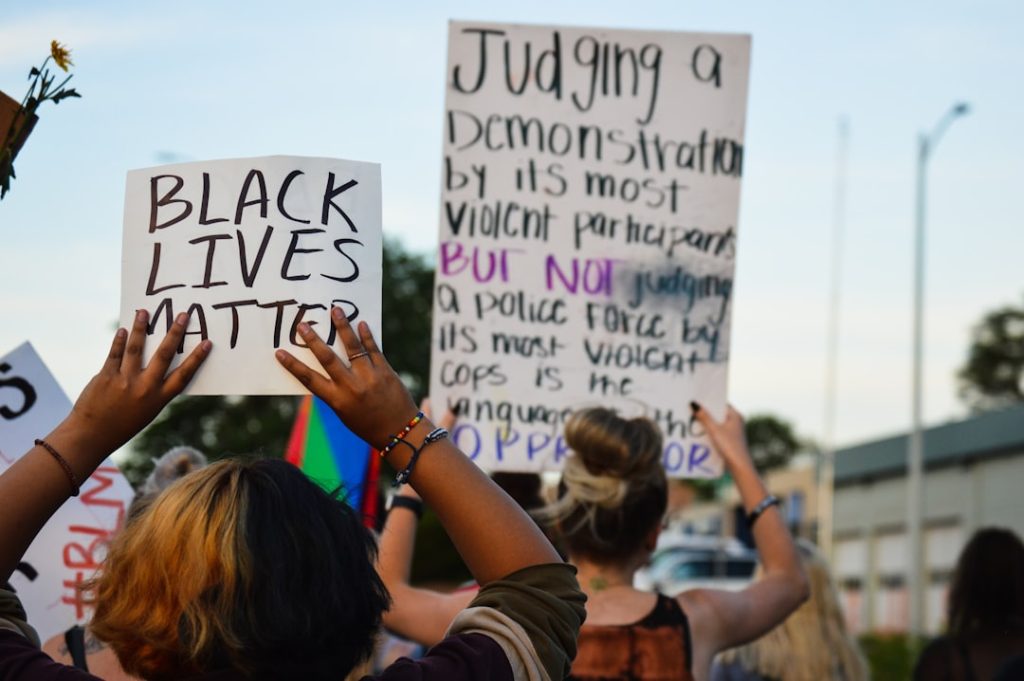
Photo by Kalea Morgan on Unsplash
Stay Connected with Flamr
Don’t forget to follow Flamr on social media!
Relacionado
Discover more from Fyra - Dating App for Progressives
Subscribe to get the latest posts sent to your email.