Why Progressive Community Events Matter (Especially for Daters)
Progressive dating isn’t just about matching with people who share your politics; it’s about building a life rooted in shared values. One of the best ways to do that is by getting involved in community events that center justice, inclusion, and mutual care. Whether you’re single, partnered, poly, or dating casually, progressive spaces can help you meet people who care about the same issues you do—while also strengthening the communities you live in.
From climate justice meetups to queer book clubs, mutual aid drives to reproductive rights rallies, there are more ways than ever to plug in. You can show up alone, with a date, or with a friend group and still walk away feeling more connected—to others and to yourself.
Types of Progressive Community Events
Progressive events come in many formats, so you can choose what feels right for your energy level, schedule, and comfort zone.
-
Issue-Based Organizing Meetings
These are gatherings hosted by advocacy groups, nonprofits, or grassroots coalitions focused on specific issues like racial justice, climate action, housing rights, disability justice, reproductive freedom, or trans rights.
They often include:
- Campaign updates and strategy sessions
- Skill-building (like how to talk to legislators or organize a petition)
- Breakout groups for specific neighborhoods or interest areas
-
Mutual Aid and Volunteer Events
Mutual aid is about communities helping each other directly, outside of traditional charity models. These events might look like:
- Community fridges and food distribution
- Clothing swaps or free stores
- Fundraisers for rent relief or medical costs
- Skill shares (like free tutoring, tech help, or language exchanges)
These spaces can be especially welcoming for people who want to contribute but aren’t sure where to start.
-
Educational Workshops and Teach-Ins
Perfect if you’re newer to activism or want to deepen your understanding. Topics might include:
- Anti-racism and decolonization
- Gender diversity and trans-affirming practices
- Disability justice and accessibility
- Digital security for organizers
These events often include Q&A sessions and small-group discussions—great for meeting people in a more structured, low-pressure way.
-
Social and Cultural Events with a Progressive Lens
Not everything has to be a meeting or a march. You’ll also find:
- Queer and trans open mics or poetry nights
- Radical book clubs and film screenings
- Community art builds (for protest signs, murals, or zines)
- Inclusive sports leagues and outdoor groups
These are especially great for dates: you get to share an experience, support community, and see how someone shows up in values-oriented spaces.
-
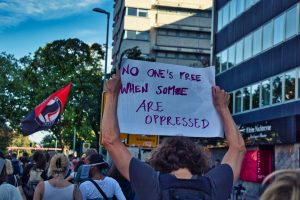
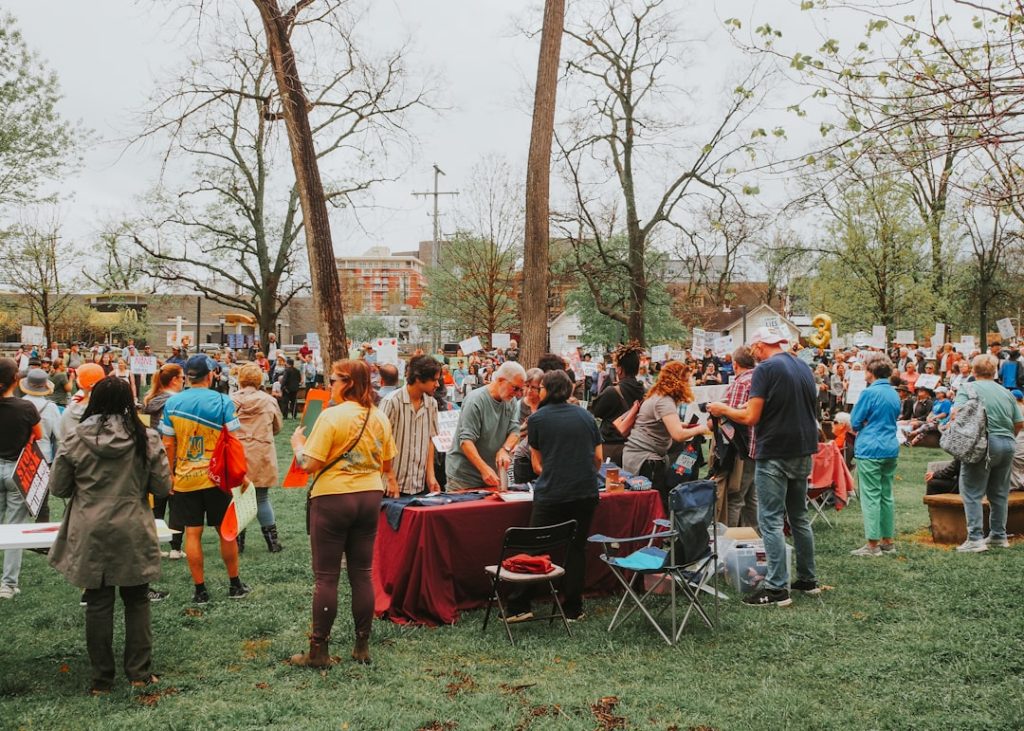
Protests, Rallies, and Direct Actions
From marches for Black lives to climate strikes, these events are powerful ways to show solidarity and demand change. They’re often coordinated by coalitions of local organizations and can include:
- Speakers from impacted communities
- Art, music, and performances
- Opportunities to sign up for ongoing organizing
If you attend with a date, talk beforehand about safety, boundaries, and comfort levels—especially around police presence and crowds.
How to Find Local Progressive Events
Finding progressive community spaces is easier than it might seem, especially with a mix of online and offline tools. Here are some starting points:
-
Event Platforms
- Meetup: Search terms like “social justice,” “mutual aid,” “queer community,” “climate justice,” “abolition,” or “feminist.” Filter by your city or neighborhood.
- Eventbrite: Look for panels, workshops, and rallies organized by local nonprofits, activist groups, and cultural organizations.
- Facebook Events: Many grassroots groups still use this for event listings. Search by cause or organization name.
-
Local Organizations and Community Centers
- Check the websites and social feeds of local mutual aid networks, community centers, and progressive faith communities.
- Visit LGBTQ+ centers, cultural centers, or worker centers; they often have bulletin boards or newsletters with upcoming events.
- Universities and colleges frequently host public lectures, teach-ins, and cultural events open to the community.
-
Social Media and Group Chats
- Follow local organizers, journalists, and grassroots groups on platforms like Instagram, TikTok, and X.
- Look for city-specific Discord servers, Slack communities, or group chats focused on activism and mutual aid.
- Use hashtags like #mutualaid, #communitycare, or #yourcityname plus keywords like “organizing” or “rally.”
-
Libraries and Bookstores
- Libraries often host progressive book clubs, civic engagement events, and workshops on topics like voting rights or digital privacy.
- Independent bookstores frequently organize author talks and reading groups centered on justice and liberation.
If you’re using a dating app, you can also ask matches if they know of any local events. It’s a natural way to shift the conversation from “small talk” to shared values—and maybe plan a date that goes beyond drinks.
Online vs. In-Person: Finding Your Comfort Zone
Progressive community building now happens in both physical and virtual spaces, which means you can engage in ways that fit your accessibility needs, health concerns, and social energy.
-
Online Options
- Virtual workshops and webinars hosted by nonprofits and advocacy groups
- Online support groups and affinity spaces (for example, queer and trans support circles, BIPOC-only spaces, disability justice groups)
- Digital organizing meetings and campaign strategy sessions
- Streaming of rallies, panels, and town halls
Online spaces can be especially helpful if you’re introverted, disabled, immunocompromised, living in a smaller town, or just testing the waters.
-
In-Person Options
- Neighborhood-based mutual aid projects
- Local marches, vigils, and community forums
- In-person social events like queer dances, potlucks, and game nights
Being physically present can deepen relationships quickly. You see how people treat each other, how they respond to conflict, and how they show up when things get real—all useful information if you’re dating with intention.
Many organizations now offer hybrid options, streaming in-person events or hosting online follow-ups. If accessibility is a priority, look for events that mention captions, ASL interpretation, step-free access, and COVID safety practices.
Why Community Building Matters for Love and Liberation
Progressive dating is about more than swiping on people who list “ACAB” or “BLM” in their bios. It’s about participating in communities that are actively working toward liberation and care. Being part of those communities can:
- Align your actions with your values: It’s one thing to say you care about justice; it’s another to show up, donate, organize, or volunteer.
- Expand your social universe: You’re more likely to meet people who share your politics and your passions when you’re in spaces built around those things.
- Build relational skills: Organizing teaches communication, conflict resolution, boundary-setting, and collaboration—all essential for healthy relationships.
- Combat isolation: Many people feel lonely even when dating. Being rooted in community offers a broader support network beyond romantic partners.
- Shift the focus from “me” to “we”: Progressive love isn’t just about two people; it’s about how your relationships fit into a larger ecosystem of care.
Community can also be a buffer during hard times—breakups, burnout, or political setbacks. When you’re connected to others, you’re reminded that you’re not carrying everything alone.
Tips for First-Timers (and First Dates) at Progressive Events
Showing up to a new space can be intimidating, especially if you’re going solo or bringing a date. Here are some ways to make it easier and more intentional.
-
Start with Your Capacity
You don’t have to do everything at once. Choose events that match your energy level and schedule. If you’re exhausted, maybe a low-key book club or online panel is better than a full-day canvassing shift.
-
Be Transparent if You’re New
Most progressive spaces expect and welcome newcomers. You can say: “Hi, I’m new here and just wanted to see how I can get involved.” Many groups have a point person or “welcome crew” for exactly this reason.
-
Respect Community Norms and Boundaries
- Listen more than you speak, especially if you’re not directly impacted by the issue.
- Follow any guidelines around confidentiality, photography, or social media posting.
- Honor pronouns, names, and access needs; when in doubt, ask respectfully.
-
If It’s a Date, Check In Before and After
Talk with your date about what you both want from the experience. Are you there to learn, volunteer, or just observe? Afterward, debrief: What did you notice? How did it feel? This can spark deep, values-based conversations that go way beyond “So what do you do?”
-
Plan for Accessibility and Safety
- Check whether the event space is accessible (elevators, ramps, seating, restrooms).
- Ask about COVID protocols if that’s important to you.
- For protests, think about safety: bring water, snacks, and any needed meds; share your plans with a trusted friend; know your boundaries around police presence and crowd size.
-
Follow Up
If you enjoyed an event, sign up for the newsletter, join the group chat, or follow the organization on social media. Consistency matters more than intensity; showing up regularly, even in small ways, builds trust and community over time.
Finally, remember: you don’t have to be the “perfect activist” to participate. You’re allowed to be learning, imperfect, and evolving. Progressive community spaces are strongest when they make room for growth—for individuals, for relationships, and for the world we’re trying to build together.
Whether you’re going solo, with a date, or with a whole crew, consider this your invitation: find a local event, show up as you are, and see what connections unfold.
Photo by Barbara Burgess on Unsplash
Stay Connected with Flamr
Don’t forget to follow Flamr on social media!
Relacionado
Discover more from Fyra - Dating App for Progressives
Subscribe to get the latest posts sent to your email.