Reproductive Rights in 2026: What’s at Stake and How We Move Forward
Reproductive rights sit at the intersection of health care, bodily autonomy, economic opportunity, and human dignity. In 2026, debates over abortion, contraception, and maternal health are not abstract—they shape whether people can decide if, when, and under what circumstances to have children, and whether they can live safe, self-determined lives.
This post focuses primarily on the United States, where the landscape has changed dramatically in just a few years, but many of the themes—control over one’s body, access to care, and inequality—are global.
—
Background: How We Got Here
For nearly 50 years, Roe v. Wade (1973) recognized a constitutional right to abortion in the U.S. That changed in June 2022 when the Supreme Court’s decision in Dobbs v. Jackson Women’s Health Organization overturned Roe and returned abortion regulation to the states.
Key shifts since Dobbs:
– By mid-2024, 21 states had banned abortion or imposed severe restrictions, including total or near-total bans in much of the South and Midwest (Guttmacher Institute).
– Many bans include no exceptions for rape or incest, or only extremely narrow medical exceptions.
– Some states have pursued laws that restrict medication abortion, which accounts for more than half of all abortions in the U.S.
Globally, the picture is mixed. Some countries—like Ireland (2018), Argentina (2020), and Mexico (2023)—have liberalized abortion laws. Others have tightened restrictions or maintained prohibitions, often influenced by religious, political, or nationalist movements.
Reproductive rights are broader than abortion. They encompass:
– Access to contraception and comprehensive sex education
– Safe pregnancy and childbirth
– Fertility treatments and family planning
– Protection from forced sterilization or coercive population control
– The right to decide whether to have children at all
At their core, these rights are about autonomy and equality: who gets to make decisions about a person’s body and life—individuals or the state.
—
Current Challenges
1. Criminalization and Legal Uncertainty
In many U.S. states with bans, abortion is now a crime or heavily policed:
– People who self-manage abortions (for example, using pills obtained online) risk investigation or prosecution in some jurisdictions.
– Health care providers face criminal penalties, including prison, for performing abortions outside narrow legal exceptions.
Legal uncertainty is widespread. Doctors in ban states report delaying or denying care for miscarriages and pregnancy complications because they fear prosecution. Investigations by outlets such as ProPublica and The New York Times have documented cases where patients were forced to wait until they were critically ill before receiving care that would have been routine before Dobbs.
This uncertainty has a chilling effect: even when the law technically allows life-saving care, fear and confusion among providers and hospital administrators can put patients at risk.
2. Disproportionate Impact on Marginalized Communities
Reproductive restrictions do not fall evenly across society. They compound existing inequalities:
– Racial disparities: Black women in the U.S. are about three times more likely to die from pregnancy-related causes than white women (CDC, 2024). Indigenous women also face elevated maternal mortality. Restricting abortion and reproductive health care exacerbates these already stark disparities.
– Economic inequality: People with financial resources can often travel to states or countries where abortion is legal; those with low incomes, unstable jobs, or caregiving responsibilities often cannot.
– Rural and immigrant communities: Many rural counties already lack OB-GYNs and reproductive health clinics. Immigrants—especially undocumented people—face additional barriers such as fear of deportation, language barriers, and lack of insurance.
When abortion is restricted, people with fewer resources are more likely to be forced to carry unwanted or unsafe pregnancies to term, deepening cycles of poverty and limiting educational and economic opportunities.
3. Attacks on Contraception and Comprehensive Care
Abortion bans are often accompanied by broader attacks on reproductive health infrastructure:
– Some states have tried to restrict emergency contraception or IUDs by falsely equating them with abortion.
– Funding for Planned Parenthood and other clinics that provide contraception, STI testing, and cancer screenings has been cut in many places.
– Politically motivated restrictions have targeted sex education, promoting abstinence-only programs that research shows are less effective than comprehensive sex ed at reducing unintended pregnancies and STIs.
The result is a patchwork of access: some people have robust reproductive health care, while others face long waits, high costs, and limited options.
4. Digital Surveillance and Privacy Risks
As abortion access has shifted, digital privacy has become a reproductive rights issue:
– Law enforcement has used search histories, text messages, and period-tracking data in investigations related to pregnancy outcomes in some states.
– Data brokers can buy and sell location data from phones that have visited reproductive health clinics.
Without strong privacy protections, people seeking information or care risk having their data misused or weaponized.
—
What’s at Stake
Reproductive rights are not just about a single procedure or policy; they shape the fabric of society.
1. Bodily Autonomy and Human Rights
International human rights bodies—including the UN Human Rights Committee and the World Health Organization—recognize access to reproductive health care, including abortion, as integral to the rights to health, privacy, and freedom from cruel, inhuman, or degrading treatment. When governments force people to remain pregnant against their will, they undermine these basic rights.
2. Health and Safety
Restricting abortion does not eliminate it; it makes it less safe and less accessible. The World Health Organization estimates that nearly half of all abortions worldwide are unsafe, contributing to tens of thousands of preventable deaths each year. Where abortion is legal and accessible, it is one of the safest medical procedures.
3. Economic and Educational Opportunity
Studies have repeatedly shown that access to abortion and contraception is linked to higher educational attainment, greater workforce participation, and increased earnings for women and people who can become pregnant. The Turnaway Study, a long-term U.S. research project, found that people denied abortions were more likely to experience poverty, stay in abusive relationships, and suffer worse health outcomes than those who received wanted abortions.
4. Democracy and Equality
Attacks on reproductive rights often go hand in hand with broader efforts to restrict voting rights, undermine LGBTQ+ protections, and roll back civil rights. When governments control reproductive choices, they reinforce gender hierarchies and limit the ability of marginalized groups to participate fully and equally in society.
—
How People Can Take Action
Despite setbacks, there is significant momentum and room for impact. Change happens at multiple levels—personal, local, national, and global.
1. Get Informed and Share Accurate Information
Misinformation about abortion and reproductive health is widespread. To counter it:
– Rely on credible sources such as the Guttmacher Institute, World Health Organization, Planned Parenthood, and peer-reviewed research.
– Learn the laws in your state or country and how they’re changing.
– Share accurate information in your networks, especially with young people who may be navigating these issues for the first time.
If you’re using social media, amplify voices from affected communities and health professionals, and be cautious about sharing unverified claims.
2. Support Organizations on the Front Lines
Many organizations provide direct assistance, advocacy, and legal support. Examples include:
– Abortion funds that help cover travel, lodging, and procedure costs for people in restrictive states.
– Legal defense organizations challenging unconstitutional laws and defending people criminalized for pregnancy outcomes.
– Community health clinics that offer contraception, prenatal care, and comprehensive reproductive services.
Recurring donations, even small ones, help these organizations plan and sustain their work. Volunteering—whether as a clinic escort, hotline volunteer, translator, or board member—can also make a tangible difference.
3. Engage Politically
Policy decisions—from local school boards to national legislatures—shape reproductive rights.
– Vote in local, state, and national elections, and support candidates who commit to protecting and expanding reproductive health care.
– Contact your representatives about specific legislation, such as protections for contraception, privacy laws for health and digital data, and funding for maternal health.
– Pay attention to ballot initiatives; in several states since 2022, voters have directly enshrined abortion rights in state constitutions or defeated restrictive measures.
Even if you live in a state with strong protections, your voice matters; federal policies and judicial appointments affect everyone.
4. Protect Privacy and Digital Security
If you or people you know are seeking information or care:
– Use secure messaging apps with end-to-end encryption.
– Consider limiting what you share with period-tracking apps or using tools that store data locally rather than in the cloud.
– Clear browser history or use private browsing when researching sensitive topics, especially in restrictive jurisdictions.
Advocate for stronger privacy laws that limit data collection and prevent the sale of sensitive health and location data.
5. Build Intersectional Movements
Reproductive justice is a framework developed by Black women activists that goes beyond “choice” to include the right to:
– Have children
– Not have children
– Raise children in safe, healthy, and supportive environments
This perspective recognizes that racism, poverty, environmental injustice, immigration status, disability, and LGBTQ+ discrimination all shape reproductive lives.
To build effective movements:
– Center the voices of those most affected—especially Black, Indigenous, low-income, immigrant, disabled, and LGBTQ+ communities.
– Connect reproductive rights to related struggles: maternal health, police violence, housing, climate justice, and labor rights.
– Support policies like paid family leave, affordable child care, living wages, and universal health care, which make it genuinely possible for people to make real choices about family and work.
—
Moving Forward
Reproductive rights are at a crossroads in 2026. In some places, hard-won protections are being dismantled; in others, new rights are being secured. The outcome is not predetermined.
History shows that progress often comes through sustained, collective action—people learning, organizing, voting, donating, litigating, and caring for one another. Whether you are directly affected or not, you have a role to play.
By staying informed, supporting those on the front lines, and insisting that bodily autonomy and reproductive justice are non-negotiable, we can push toward a future where everyone has the power to decide their own path—and the resources to live it.
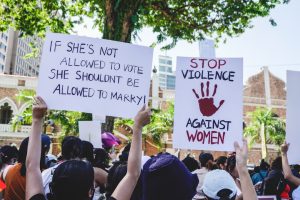
Photo by Ruth Bourke on Unsplash
Relacionado
Discover more from Fyra - Dating App for Progressives
Subscribe to get the latest posts sent to your email.