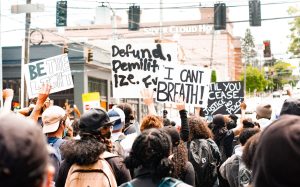
If you’re progressive, dating can feel…complicated. You’re not just looking for someone cute and kind; you care about values, social justice, consent, equity, sustainability, and how people show up in the world. That doesn’t mean you need a political clone of yourself—but it does mean your beliefs shape how you connect, communicate, and build relationships.
Here’s a practical, values-based guide to dating as a progressive in 2026: how to find like-minded partners, talk about what matters, and build relationships that feel authentic and aligned.
—
1. Start with your values (not just your “type”)
Before you open an app or say yes to a date, get clear on what actually matters to you.
Instead of:
– “I like tall, funny, artsy people.”
Try:
– “I want someone who:
– cares about racial and gender equity,
– believes in bodily autonomy,
– supports LGBTQ+ rights,
– respects consent and boundaries,
– is willing to learn and grow.”
Action step:
Grab a notebook or notes app and list:
1. Non-negotiables (e.g., “must support LGBTQ+ rights,” “must respect my autonomy and career,” “no racist or sexist ‘jokes’”).
2. Strong preferences (e.g., “interested in climate justice,” “open to therapy and self-reflection,” “supports unions”).
3. Nice-to-haves (e.g., “vegetarian,” “activist,” “loves community organizing”).
This helps you distinguish between “dealbreakers” and “bonus points,” so you don’t dismiss someone great because they’re not an organizer—but do walk away from someone who mocks pronouns.
—
2. Signal your values in your profile (without sounding like a manifesto)
You don’t need a campaign platform in your bio, but you do want to give people a clear sense of who you are.
On dating apps
Profile lines that work:
– “Mutual aid > individual hustle. Looking for someone who cares about the world and the people in it.”
– “Queer-friendly, anti-racist, pro-labor. If you roll your eyes at pronouns, we won’t vibe.”
– “I spend my free time at community events, protests, and trying to cook low-waste meals.”
Prompts you can use:
– “A cause I care deeply about…”
“Housing justice and making sure everyone has access to safe, affordable homes.”
– “My ideal Sunday…”
“Farmer’s market, a neighborhood meeting, and then collapsing on the couch with a good book.”
– “I get along best with people who…”
“Can talk about feelings, politics, and memes in the same conversation.”
These signals help like-minded people swipe right—and discourage those who’ll see your values as “too much.”
—
3. Where to find like-minded people (beyond the apps)
Apps can work, but progressives often find better compatibility in spaces where values are already visible.
Try:
– Local organizing and community groups
Climate action groups, tenants’ unions, mutual aid networks, reproductive rights organizations, book clubs focused on social justice. You’re not “dating at” these spaces—just living your values—but connections happen.
– Events and spaces aligned with your politics
– Film screenings of social-justice documentaries
– Political lectures or town halls
– LGBTQ+ community events
– Cooperative cafes, radical bookstores, community gardens
– Online spaces
– Discord communities around progressive causes
– Subreddits or forums focused on activism, left politics, or specific issues
– Online reading groups or workshops
Action step:
Pick one values-aligned space to show up in regularly for the next month. Not to “find a partner,” but to build community. Relationships often grow out of community first.
—
4. Talk about politics and values early (but not aggressively)
You don’t have to interrogate someone on the first date, but you also don’t need to wait six months to discover they think climate change is “overblown.”
Gentle ways to bring it up
– “How do you feel about the political climate lately?”
– “Are there any issues you feel particularly passionate about?”
– “Do you follow local politics at all?”
Pay attention not just to what they say, but how they say it:
– Do they show empathy for marginalized groups?
– Do they acknowledge systemic issues or only talk about “personal responsibility”?
– Do they respect perspectives different from their own?
If they say something concerning, you can respond with curiosity:
– “Can you tell me more about why you feel that way?”
– “I see that differently because of [experience]. Would you be open to hearing my perspective?”
You’re not trying to win a debate; you’re trying to see if this person is aligned enough to build something with.
—
5. Progressive values in practice: consent, communication, and boundaries
Being progressive isn’t just about what you tweet; it’s how you treat people interpersonally.
Consent and autonomy
– Ask, don’t assume: “Can I kiss you?” is attractive when said confidently and respectfully.
– Respect “no” without sulking, pressure, or guilt.
– Don’t treat sex as a transaction (“I paid for dinner, so…”). Ever.
Emotional labor and equity
Progressive dating means:
– Not expecting women or femmes to do all the emotional organizing.
– Not assuming men shouldn’t have feelings.
– Sharing planning, initiating, and checking in.
Example:
Instead of always asking your partner, “What do you want to do?” and relying on them to plan:
– Alternate who plans dates.
– Ask, “What would make this week feel easier for you?” and act on the answer.
Boundaries
Progressive values include respecting boundaries—time, emotional availability, physical intimacy, and digital privacy.
– If someone says, “I need time to myself,” don’t take it as rejection.
– Don’t push for more emotional disclosure than they’re ready for.
– Ask before posting photos of them or sharing parts of your relationship online.
—
6. Handling differences: When is it workable, and when is it a dealbreaker?
You probably won’t find someone who matches your views on every issue. The question is: what can you live with?
Potentially workable differences
– They’re less involved in activism but supportive of your work.
– They’re still learning language around gender or race but show humility and effort.
– They grew up conservative but are actively re-examining their beliefs.
Red-flag differences
– They mock marginalized groups or “woke culture.”
– They dismiss your safety concerns (e.g., about police, reproductive rights, trans rights).
– They say “I just don’t think politics belongs in relationships” while holding harmful views.
– They refuse to listen when you share how something affects you.
Action step:
Write down 3–5 values that are absolute dealbreakers. If someone clearly violates one, you don’t need to “wait and see.” You can respectfully exit.
—
7. Navigating modern dating dynamics with progressive values
Ghosting, honesty, and care
You can’t control other people’s behavior, but you can choose yours.
Instead of ghosting:
– “I’ve enjoyed talking with you, but I’m not feeling a romantic connection. Wishing you all the best.”
Short, kind, honest.
Instead of breadcrumbing:
– If you’re not interested, don’t keep someone half-hooked for ego or boredom.
Casual vs. serious, with clarity
Progressive dating doesn’t have to be “serious only.” Casual can be ethical if it’s clear and consensual.
– If you want something casual: say so upfront.
– If you’re open to more: say “I’m open to seeing where this goes, but I’m not ready to define things yet.”
– Check in periodically: “Are we still on the same page about what this is?”
Clarity is a kindness.
—
8. Dealing with burnout and cynicism
Dating in 2026 can feel exhausting—politically, emotionally, digitally. You’re allowed to take breaks.
When you feel disillusioned:
– Focus on building friendships and community, not just romantic prospects.
– Remember that your worth is not defined by being partnered.
– Reconnect with why values matter to you: not to be “perfect,” but to live more aligned and less harmful.
Sometimes the best thing you can do for your future relationships is to rest, reflect, and care for yourself.
—
9. Building something real: progressive love in everyday life
When you do meet someone aligned, the work doesn’t stop at “we agree on most things.” Progressive relationships are built through daily practices:
– Shared growth: Read things together, attend events, talk about what you’re learning.
– Mutual support: Show up for each other’s causes and communities.
– Conflict with care: When you mess up (and you will), apologize without defensiveness and commit to doing better.
– Joy and play: Don’t let politics be the only thing you share. Laugh, rest, enjoy each other. Sustainable activism and love both need joy.
—
Dating as a progressive isn’t about finding someone who can recite your favorite theorist. It’s about finding someone who cares about harm, justice, empathy, and growth—and then practicing those things together in real, everyday ways.
Lead with your values. Be honest about what you need. Show up in the communities that matter to you. And remember: the goal isn’t perfection; it’s connection that feels like you can be fully yourself, in a world you’re both trying to make a bit better.
Relacionado
Discover more from Fyra - Dating App for Progressives
Subscribe to get the latest posts sent to your email.