Love in a Warming World: Dating in the Age of Climate Justice
Most of us don’t think about climate change when we’re swiping. We’re wondering if they’re funny, kind, emotionally available—not whether they know what “1.5°C” means. Yet more and more people are quietly adding “climate anxiety” to their profiles, talking about “sustainability,” or saying they “could never date a climate denier.”
Climate justice isn’t just a policy issue; it’s a relationship issue. It shapes where we live, whether we feel safe starting a family, how we travel to see each other, and what kind of future we can imagine together. In a world of rising seas and record-breaking heat, our love lives and our politics are colliding in new ways.
This isn’t about being “perfectly sustainable” or judging people by their carbon footprint. It’s about asking: what does it mean to build intimate relationships in a world that’s literally on fire—and how can love itself be part of a more just, livable future?
From Silent Spring to Swipe Right: A Brief History of Climate and Care
Climate justice has roots in movements that long predate the phrase “global warming.” In the 1960s, Rachel Carson’s Silent Spring sparked environmental awareness about pesticides. In the 1970s and 80s, communities of color in the United States began organizing against toxic waste dumps and polluting industries in their neighborhoods, giving rise to the environmental justice movement. Globally, Indigenous communities have defended land and water for generations, often at great personal risk.
For a long time, mainstream environmentalism focused on conservation—protecting wilderness, saving endangered species. Important, yes, but often disconnected from everyday people’s lives. Climate change started to shift that. As scientists sounded the alarm and frontline communities kept organizing, it became impossible to ignore that the climate crisis isn’t “out there” in distant forests or ice caps. It’s in our lungs, our housing, our jobs, our food, our mental health.
Climate justice emerged as a way to connect the dots. It insists that:
- The people who did the least to cause the crisis are often hit first and hardest.
- Solutions must be fair, inclusive, and rooted in community needs—not just corporate profit.
- Racial justice, economic justice, and climate justice are inseparable.
Now, as dating apps, social media, and digital activism reshape how we meet and mobilize, climate justice is moving from protest signs into personal bios. “No climate deniers,” “looking for someone who cares about the planet,” “seeking a co-organizer, not just a co-pilot.” The things we find attractive are evolving—and that’s its own kind of history.
Dating with Climate Anxiety: What We’re Carrying into Our Connections
Many people today carry a low, constant hum of climate anxiety. It might show up as:
- Worry about whether it’s ethical or safe to have kids.
- Fear about wildfires, floods, heat waves, or storms where they live.
- Guilt about flying, driving, or consuming certain products.
- Anger at governments and corporations that delay action while communities suffer.
These feelings don’t stay neatly in the “politics” folder of our brain; they spill into our dating lives. It can feel disorienting to flirt about weekend plans while doomscrolling climate disasters. Some people cope by avoiding the topic altogether. Others lead with it, using shared concern as a filter for compatibility.
There’s a quiet shift happening: environmental values are becoming part of what many people mean by “shared values.” Just as some won’t date someone who’s openly racist or sexist, some won’t date someone who dismisses climate science or mocks sustainable choices. It’s not about ideological purity; it’s about emotional safety. If your reality is shaped by climate concern, being with someone who belittles that is its own kind of gaslighting.
At the same time, we have to be careful not to turn climate into a competition or purity test. Not everyone has equal access to “green” choices. It’s easier to buy organic when you have disposable income. It’s easier to bike to work when your city has safe bike lanes. It’s easier to install solar panels when you own a home. Climate justice means recognizing these inequalities, not shaming people for them.
In relationships, the question isn’t “who’s the most sustainable?” but “can we be honest about what we care about, what we struggle with, and what we’re willing to try together?”
Love as a Climate Solution: Building Just Futures in Our Everyday Lives
It can feel like climate change is so big that our personal lives barely matter. But the stories we tell in our relationships shape what we believe is possible—and that matters more than we think.
When we treat climate as a shared responsibility rather than a private shame, it becomes something we can actually work on together. In the context of dating and relationships, that might look like:
- Turning shared values into shared rituals. Maybe you start a tradition of “no-buy dates” once a month—picnics, hikes, community events, mutual aid work—where the focus is connection rather than consumption.
- Talking openly about future plans. Where would you feel safe living? How do you think about kids, caregiving, or chosen family in a changing climate? These aren’t first-date questions, but they’re becoming part of long-term compatibility.
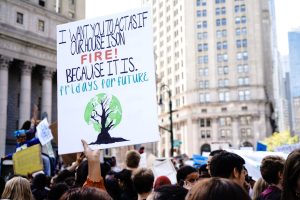
- Supporting each other’s activism. One of you might be more involved in climate organizing, mutual aid, or policy work. The other might support by sharing care work, making signs, showing up at rallies, or just listening after a hard meeting.
- Centering frontline communities. Climate justice asks us to listen to those most affected: Indigenous land defenders, Black and brown communities near polluting industries, low-income communities facing displacement. You can bring this awareness into your choices, your conversations, and your political engagement as a couple or as co-daters.
Love doesn’t replace systemic change, but it can sustain it. Movements are built from relationships: friends, lovers, co-parents, chosen family, neighbors. People stay in the work when they feel held, not alone. In that sense, a relationship where you can say “I’m scared about the future” and hear “me too, let’s figure it out together” is a climate adaptation strategy—emotional infrastructure for a hotter, more uncertain world.
Imagining Climate-Conscious Dating Futures
As technology and culture evolve, dating in a climate-changed world could look very different—and more hopeful—than we might assume.
We might see:
- Profiles that go beyond “outdoorsy.” Not just “I love hiking,” but “I volunteer with a community garden,” “I’m learning about Indigenous land stewardship,” or “I’m involved in local climate policy.” Values, not vibes alone.
- First dates that double as civic engagement. Meeting at a mutual aid distribution, a town hall on public transit, a climate art exhibition, or a local river clean-up—where you can see how someone shows up in community, not just how they show up at a bar.
- Apps supporting climate justice directly. Imagine platforms that highlight local climate events, partner with grassroots organizations, or give users the option to round up subscription fees to support climate and environmental justice groups.
- New forms of intimacy around care. Talking about air filters, cooling centers, evacuation plans, or community safety networks might sound unromantic—until you realize that caring about each other’s survival is one of the deepest forms of love.
These futures aren’t guaranteed. They depend on choices: by governments, by companies, by communities, and by each of us in our daily lives and relationships. But the possibility is real: that climate justice could become not just a policy framework, but a way of loving—rooted in fairness, interdependence, and care across differences.
Swipe with Intention: A Call to Reflection and Action
If you’re dating, partnered, or somewhere in between, climate justice is already part of your story—whether you talk about it or not. The question is how intentional you want to be about it.
Some invitations to reflect:
- How does climate anxiety or hope show up in your relationships, if at all?
- What would it look like to talk about climate and justice with someone you’re dating—not as a test, but as a window into each other’s values?
- Where might there be small, realistic shifts you could make together—supporting local climate groups, reducing waste where it’s accessible, or learning about frontline communities in your area?
- How can you show yourself and others compassion when “doing the right thing” is complicated by money, time, or access?
You don’t have to be an expert, an activist, or a zero-waste influencer to let climate justice shape your love life. You just have to be willing to stay awake to the world you’re living in, and to the people you’re sharing it with.
Next time you’re crafting a profile, sending a first message, or sitting across from someone new, consider this: in a warming world, one of the most radical things we can do is refuse to give up on each other. Let your dating life be a place where honesty about the future meets commitment to making it better—together.
Photo by Gayatri Malhotra on Unsplash
Stay Connected with Flamr
Don’t forget to follow Flamr on social media!
Relacionado
Discover more from Fyra - Dating App for Progressives
Subscribe to get the latest posts sent to your email.