“Water-Gate” at the World Cup: When Hydration Breaks Become an Ad Break
Soccer is having a heat crisis—and instead of treating it like a public health emergency, FIFA seems to be treating it like a branding opportunity.
During recent World Cup matches, fans noticed something different: mandatory “hydration breaks” midway through each half. On paper, that sounds like a sensible response to rising temperatures and extreme heat. In practice, those breaks are being used to cut to commercials in some markets—turning a climate adaptation measure into a new revenue stream.
This controversy, dubbed “Water-Gate,” is about much more than a few extra minutes of ads. It’s a collision of climate change, corporate power, labor rights, and the commercialization of one of the most beloved global events. And it raises a question that goes far beyond soccer: when our world gets hotter and more dangerous, who gets protected—and who gets paid?
For a progressive dating app community that cares about justice, sustainability, and how we show up for each other, this story is a powerful reminder that even our leisure time is political. The way institutions respond to climate risk reveals what—and who—they truly value.
Read the full article: “Water-Gate”: FIFA’s Solution to World Cup Heat Is Seen as a Cash Grab (Mother Jones)
What’s Actually Happening: Hydration Breaks Meet Ad Breaks
The basics of “Water-Gate”
The Mother Jones story (originally from Grist) lays out the key elements:
- New hydration breaks: Because of increasingly dangerous heat at World Cup venues, players now pause midway through each half to drink water and cool down.
- Broadcasts cutting to commercials: In some markets, TV networks are using those hydration breaks to run ads—something that has historically been rare in soccer, where continuous play is part of the culture.
- FIFA’s framing: Officially, the breaks are about “player welfare” and “heat risk management.” But the way they’re being used has many players, fans, and advocates wondering whether safety is the main goal—or a convenient cover.
- Climate backdrop: The need for these breaks is not hypothetical. Matches are being played in high heat and humidity, with heat indexes that can pose real health risks, including heat exhaustion and heatstroke.
The controversy is not about whether players need water. They absolutely do. The issue is that a life-or-death climate adaptation measure is being folded into the existing corporate machinery of the World Cup, rather than prompting deeper change.
Why this feels like a cash grab
Soccer has always been one of the few major sports where the clock runs continuously; advertisers have had to work around that reality. Hydration breaks crack open a new window for monetization—under the banner of climate safety.
Critics worry about a slippery slope:
- Will these breaks become permanent, even in milder conditions, because they’re profitable?
- Will sponsors start “owning” the breaks (“This hydration break brought to you by…”)?
- Will FIFA and broadcasters prioritize ad inventory over more meaningful reforms, like changing match times or venue standards to avoid dangerous heat in the first place?
In other words, the fear is that instead of treating climate change as a systemic crisis requiring systemic change, FIFA is using it as a branding opportunity.
Heat, Health, and the Climate Reality of Modern Sports
Extreme heat is now a workplace safety issue
For players, this isn’t abstract. Soccer is an incredibly intense sport; players can run 7–10 miles in a single match. Doing that in high heat and humidity is a serious occupational hazard.
Medical experts have been sounding the alarm for years:
- Heat stress can impair decision-making and reaction time, increasing the risk of injury.
- Heat exhaustion and heatstroke can be life-threatening, especially in tournaments where players have to perform repeatedly with limited recovery.
- Unequal impact: Players with fewer resources, less access to medical support, or from teams with less political power may be pushed harder in unsafe conditions.
From a progressive lens, this is a labor rights issue. Players are workers. They deserve safe working conditions and genuine protections, not symbolic gestures that double as ad slots.
Climate change is changing the game—literally
“Water-Gate” is part of a bigger pattern:
- Major tournaments being held in places and seasons where extreme heat is predictable.
- Federations and leagues resisting schedule changes or venue adjustments because of contracts, TV deals, and sponsor commitments.
- Sports bodies making high-profile “sustainability” pledges while continuing to expand tournaments, increase travel, and build energy-intensive infrastructure.
Hydration breaks are a symptom of a deeper problem: the sports industry is trying to adapt to climate impacts without confronting its own role in emissions and without challenging the corporate structures that prioritize profit over people.
Why Progressives Are Paying Attention
This is about who gets to profit from crisis
Progressive movements have a name for what’s happening here: disaster capitalism. It’s the pattern where corporations and powerful institutions turn crises—wars, hurricanes, pandemics, climate disasters—into opportunities for profit.
In this case, the “disaster” is the climate crisis making play conditions dangerous. The “opportunity” is carving out new advertising inventory under the guise of safety.
That doesn’t mean hydration breaks are bad. It means we should be asking:
- Are these breaks part of a broader plan to protect players, fans, and workers from heat—or a minimum viable adjustment that can be monetized?
- Are climate risks being used to justify new revenue streams without meaningful transparency or accountability?
- Who is making decisions about when and how these breaks happen—players and medical experts, or marketing departments?
It mirrors broader climate justice struggles
What’s happening on the pitch reflects what’s happening everywhere:
- Unequal exposure: People who work outdoors—farmworkers, construction workers, delivery drivers, stadium staff—are on the frontlines of extreme heat, often with few protections.
- Cosmetic fixes vs. structural change: Companies tout green initiatives or resilience measures while lobbying against regulations that would reduce emissions or protect workers.
- Privatized solutions: Those with money can buy air conditioning, safer working conditions, and adaptation technologies; those without are left to endure the heat.
“Water-Gate” is a high-profile, televised version of the same dynamic. It’s a chance to talk about climate justice in a context millions of people already care about: the World Cup.
Different Perspectives: What’s Fair, What’s Not
In defense of hydration breaks (and even ads)
To be fair, there are arguments that hydration breaks—and even the commercials—aren’t inherently bad:
- Player safety is non-negotiable: If heat is dangerous, breaks are necessary. If broadcasters help normalize them, that can support similar measures in lower-profile leagues and youth sports.
- Broadcast realities: TV deals fund tournaments, national teams, and development programs. Networks are under pressure to monetize any stoppage in play.
- Awareness potential: In theory, those ad slots could be used for climate education, public health messaging, or campaigns supporting climate justice groups.
Some progressives argue that the real issue isn’t the existence of ads, but who controls them and what they’re used for. If we’re going to have hydration breaks, why not use them to tell the truth about climate change?
Why it still doesn’t sit right
At the same time, many players, fans, and advocates feel uneasy—and for good reason:
- The optics are terrible: Turning a life-saving measure into a branded moment feels dystopian, especially when climate disasters are intensifying worldwide.
- It risks normalizing crisis: When heat so extreme it requires special breaks is treated as just another programming feature, it can dull the sense of urgency.
- It distracts from systemic responsibility: FIFA and host countries have power to shift match times, enforce heat safety standards, reduce tournament footprints, and push for stronger climate policies. Hydration breaks are the bare minimum.
For many progressives, the core problem is not that there’s an ad during a pause. It’s that the entire system is built to extract value from every moment—even moments that exist because the climate is breaking down.
Love, Values, and How We Show Up as Fans
What this has to do with relationships and dating
On a dating app blog, it might seem odd to dig into FIFA policy. But this story is actually deeply connected to how we build relationships and communities:
- Shared values: Talking about things like “Water-Gate” is a way to explore what you and a partner care about—worker rights, climate justice, corporate power, and how culture can be reclaimed for people, not profits.
- Emotional honesty: Sports are emotional. If you feel angry, disappointed, or conflicted about how the World Cup is being run, that’s worth naming. Being able to process that with someone else is part of emotional intimacy.
- Collective imagination: Asking “What would a truly just, climate-safe World Cup look like?” is a way of practicing the imagination we need for a just future in general.
Plus, if you’re going on a date to watch a match, “So, how do you feel about hydration breaks becoming ad breaks?” is a surprisingly revealing conversation starter.
Sports as a gateway to activism
Sports have always been a stage for politics, whether people like it or not—from anti-apartheid boycotts to players taking a knee against police violence. The climate crisis is the next frontier.
“Water-Gate” invites us to:
- Support players who speak out about unsafe conditions or climate issues.
- Back fan groups pushing for greener, fairer tournaments.
<
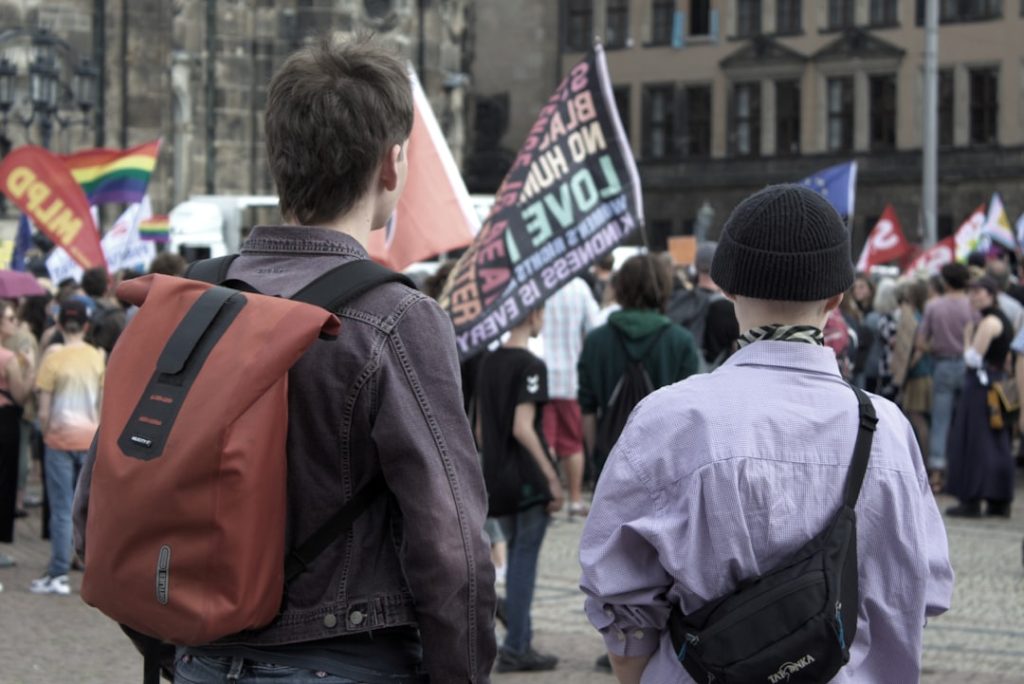
Photo by Anton Etmanov on Unsplash
Stay Connected with Flamr
Don’t forget to follow Flamr on social media!
Relacionado
Discover more from Fyra - Dating App for Progressives
Subscribe to get the latest posts sent to your email.