Why Progressive Community Events Matter for Your Dating Life (and Beyond)
Progressive community events aren’t just about protest signs and policy debates—they’re about connection, joy, and building the kind of world you actually want to date in. Whether you’re passionate about climate justice, queer liberation, racial equity, disability rights, or mutual aid, showing up in community is a powerful way to meet people who share your values.
For many of us, it can feel exhausting to navigate dating spaces where we’re not sure our politics, identities, or boundaries will be respected. Progressive community events offer something different: a chance to show up as your full self, plug into meaningful work, and maybe meet someone who thinks consent, pronouns, and power dynamics are as important as chemistry.
This guide walks through different types of progressive events, how to find them, why they matter, and how to show up confidently—whether you’re going solo, with friends, or on a low-pressure “let’s do something that isn’t just drinks” date.
Types of Progressive Community Events (Online and IRL)
Progressive communities are diverse, and so are their events. You don’t have to be a seasoned organizer to get involved; there’s a wide spectrum from social to deeply political, from online to in-person.
-
Social & Community-Building Events
These are low-pressure spaces to meet people, build friendships, and find your place.
- Queer & trans mixers, game nights, and potlucks
- Progressive book clubs and zine circles
- Affinity groups (e.g., BIPOC-only spaces, disabled organizers’ meetups, immigrant support circles)
- Skillshares (e.g., consent workshops, conflict resolution, mutual aid training)
-
Political Education & Discussion Spaces
If you’re curious, learning, or want to deepen your understanding, these are for you.
- Workshops on anti-racism, abolition, gender justice, and disability justice
- Teach-ins on local issues like housing, policing, or climate policy
- Panel discussions with activists, scholars, and organizers
- Reading groups focused on feminist, queer, or decolonial texts
-
Direct Action & Mutual Aid
These spaces focus on concrete support and collective power.
- Mutual aid distributions (food, clothing, hygiene supplies)
- Community fridges and free stores
- Tenant union meetings and rent strikes
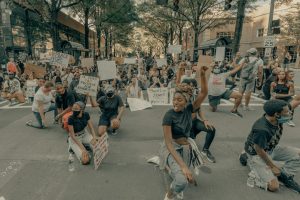
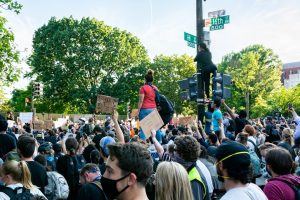
- Rallies, marches, and direct actions
-
Creative & Cultural Events
Art and joy are central to progressive movements.
- Poetry slams, open mics, and storytelling nights centering marginalized voices
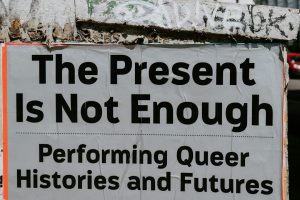
- Queer and trans art shows, film screenings, and festivals
- Drag shows with fundraiser components
- Community theater and performance spaces focused on liberation themes
-
Online Spaces & Hybrid Events
Access matters. Many groups now offer virtual or hybrid options.
- Zoom workshops, webinars, and town halls
- Discord servers and Slack communities for organizers
- Virtual support groups and processing spaces
- Hybrid meetings with both in-person and online participation
Each of these spaces can be a way to meet potential partners, friends, and collaborators. Even if romance isn’t your goal, you’re still building a network rooted in shared values—and that’s a win.
How to Find Progressive Events in Your Area
You don’t need to already “know people” to find your way into progressive spaces. There are plenty of tools and strategies to discover what’s happening around you.
-
Event Platforms & Apps
- Meetup: Search terms like “social justice,” “queer,” “feminist,” “mutual aid,” “climate justice,” or “abolition.”
- Eventbrite: Filter by your city and keywords like “progressive,” “LGBTQ+,” “community organizing,” or “racial justice.”
- Facebook Events: Follow local progressive organizations, community centers, or collectives and check their events tab.
-
Local Organizations & Community Hubs
- Check websites and social feeds for:
- LGBTQ+ centers and queer resource hubs
- Tenant unions and housing justice orgs
- Mutual aid networks and food justice groups
- Reproductive justice and gender justice organizations
- Disability justice and neurodivergent support collectives
- Many publish calendars or newsletters—sign up to stay in the loop.
- Check websites and social feeds for:
-
Campus & Library Spaces
- Universities and community colleges often host public events: lectures, teach-ins, film screenings, and student-led organizing.
- Public libraries regularly run free workshops, book clubs, and civic engagement events, often with progressive themes.
-
Social Media & Group Chats
- Follow local hashtags (e.g., #YourCityName + “mutual aid,” “abolition,” “queer events”).
- Look for Instagram accounts that curate community happenings in your city.
- Ask friends, coworkers, or classmates if they know of group chats or Discord servers for local organizing.
-
Your Dating App Profile
- Mention that you’re into community events, mutual aid, or progressive organizing.
- Suggest a low-stakes event as a first or second date, like a book talk, fundraiser, or art show.
- Use in-app prompts and filters (where available) to find people who care about the same issues.
It’s okay to try multiple routes. You might find your favorite group through a random Eventbrite listing or a single Instagram story reshared by a friend.
Why Community Building Matters (Especially for Progressive Daters)
Community building isn’t just a feel-good bonus; it’s the foundation of sustainable progressive movements—and healthier relationships.
-
Shared Values Become Lived Practice
It’s one thing to say you care about justice and another to practice it in relationships and community. Events and organizing spaces give you a chance to see how people handle conflict, accountability, consent, and care—things that matter deeply in dating.
-
Reducing Isolation & Building Safety Nets
Many marginalized people experience isolation, burnout, or distrust of mainstream spaces. Progressive communities can offer support networks, chosen family, and practical resources—housing leads, job connections, mutual aid—alongside emotional support.
-
Expanding Your Idea of Love & Connection
When you build community, you recognize that intimacy isn’t only romantic. Friendships, comradeship, and collective care become central. That can take pressure off dating and help you approach relationships from a place of abundance rather than scarcity.
-
Creating the World You Want to Date In
Progressive events often tackle systemic issues—housing, healthcare, policing, climate. By participating, you’re not just looking for a partner; you’re helping build a world where you and your communities can actually thrive.
For many people, the most meaningful relationships—romantic or otherwise—grow out of shared work, shared values, and shared struggle. Community events are one of the few spaces where all of that can come together organically.
Tips for First-Timers (Yes, It’s Normal to Be Nervous)
Walking into a new space—especially one that feels politically or emotionally charged—can be intimidating. That’s true whether you’re going alone, with a date, or with friends. Here are some grounded tips to help you feel more comfortable.
-
Start with Low-Stakes Events
If you’re new, try a social gathering, book club, film screening, or online workshop before jumping into a high-intensity direct action. That gives you room to observe, ask questions, and get a feel for the culture.
-
Read the Event Description Carefully
Check:
- Who the event is for (e.g., BIPOC-only, trans-only, survivors, disabled folks).
- Access information (e.g., wheelchair access, ASL, captions, masks required).
- Code of conduct or community agreements.
Respecting those boundaries is part of showing up in good faith.
-
Ask About Accessibility & Safety
It’s okay to email or message organizers with questions about:
- Accessibility needs (e.g., seating, sensory considerations, breaks).
- COVID precautions and masking expectations.
- Safety protocols for protests or direct actions.
If a space can’t meet your needs, that’s information—not a reflection of your worth.
-
Bring a Friend or Date—With Clear Expectations
If you’re turning an event into a date:
- Talk beforehand about why you’re going and what you’re comfortable with.
- Agree that the focus is the event, not heavy PDA—especially in spaces centered on survivors or trauma processing.
- Check in afterward about how you both felt.
-
Be Ready to Listen More Than You Talk
Especially if you’re new or not part of the community centered (for example, attending a Black-led racial justice event as a non-Black person), prioritize listening, learning, and following the lead of those most impacted.
-
Respect Boundaries and Identities
Use people’s names and pronouns, ask before hugging or touching, and avoid making assumptions about roles, relationships, or identities. Consent culture isn’t just about sex; it’s about how we move through all shared spaces.
-
Follow Up and Stay Connected
If you enjoyed the event:
- Join the email list or group chat.
- Follow the org on social media.
- Introduce yourself to an organizer and ask about next steps.
Relationships—romantic and communal—grow over time, not in a single event.
Feeling awkward is normal. You’re allowed to be new, to learn, and to make mistakes as long as you’re willing to listen, repair, and keep growing.
Bringing It All Together: Building Love and Liberation Side by Side
Progressive community events are more than a backdrop for your dating life—they’re part of the fabric of how you love, care, and show up in the world. Whether you’re attending a queer poetry night, volunteering at a mutual aid distribution, joining a disability justice reading group, or logging into an online workshop, you’re investing in both your own growth and the collective future.
There’s no one “right” way to get involved. You can start small, experiment with different spaces, and honor your own capacity. Along the way, you might find a new favorite café, a new organizing home, a new friend group—or someone who shares your politics, your passion, and your commitment to building something better together.
If you’re using a dating app, consider weaving this into your connections: suggest a community event as a shared experience, talk about the causes you care about, and be open to the idea that the most meaningful relationships often begin with shared values, not just shared interests.
However you show up—online or in person, solo or with a date—you belong in spaces that respect your identities, your boundaries, and your vision of justice. Community is waiting, and you don’t have to do it alone.
Photo by Clayton Cardinalli on Unsplash
Stay Connected with Flamr
Don’t forget to follow Flamr on social media!
Relacionado
Discover more from Fyra - Dating App for Progressives
Subscribe to get the latest posts sent to your email.