Love, Borders, and What We Choose to Destroy
On a dating app blog, it might seem strange to talk about border walls and bulldozers. But who and what we choose to protect says everything about the kind of relationships and communities we’re building—on our phones, in our cities, and across entire continents.
Recently, reporting revealed that the Trump administration bulldozed a 1,000-year-old archaeological site in Arizona to make room for a second border wall. This wasn’t some accidental scrape of a backhoe. This was a deliberate choice to prioritize a political symbol of exclusion over Indigenous history, sacred land, and environmental protection.
For a progressive dating community that values empathy, consent, care, and mutual respect, this story matters. It’s about what happens when a government operates like a toxic partner: ignoring boundaries, overriding consent, and destroying things that can never be replaced—then insisting it’s for “security” or “your own good.”
Let’s unpack what happened, why it matters, and how this connects to the kind of love and future we’re all trying to build together.
Read the full article: Trump Bulldozed a 1,000-Year-Old Archeological Site to Make Room for a Second Border Wall (The Intercept)
What Happened at the Border: A 1,000-Year-Old Site, Erased
The basic story
According to The Intercept, the U.S. Department of Homeland Security (DHS), under Donald Trump, oversaw construction of a second border wall through a wildlife refuge in Arizona that contained a roughly 1,000-year-old archaeological site. Local archaeologists and refuge officials had been in discussions with DHS about how to protect the site. Those conversations, however, did not prevent bulldozers from ultimately tearing through the area.
Key elements of the story include:
- An ancient site in a wildlife refuge: The border region in Arizona is home to countless cultural and archaeological sites, many of them Indigenous, some dating back a millennium or more. This particular site was within a wildlife refuge—land that is supposed to be protected.
- Ongoing talks to protect the site: A local archaeologist reported that DHS had been in communication with the refuge about ensuring the site wasn’t damaged by wall construction. There was awareness, planning, and at least a pretense of concern.
- Bulldozers moved in anyway: Despite those talks, the site was eventually bulldozed to make way for a second border wall. Once an archaeological site is destroyed, it’s gone forever—no restoration, no do-over.
- Part of a broader pattern: This isn’t an isolated incident. Under Trump, border wall construction repeatedly bypassed environmental review, Indigenous consultation, and cultural protections, using emergency powers to sidestep laws designed to prevent exactly this kind of damage.
So we’re left with an irreversible loss: a thousand years of history flattened for a wall that’s as much a campaign prop as it is a physical barrier.
Why This Matters: Culture, Consent, and Power
Destroying history is never just about “security”
When a government destroys ancient sites, it’s not just about moving dirt. It’s about what—and who—is considered expendable. A 1,000-year-old archaeological site is a record of human life, relationships, rituals, and survival. Bulldozing it sends a clear message: some histories are disposable if they get in the way of a political agenda.
Especially in the U.S. borderlands, these sites are often tied to Indigenous nations whose sovereignty and stories have already been systematically erased. The destruction of cultural sites is part of a long colonial pattern: take the land, suppress the language, erase the evidence.
Consent ignored: a political red flag
In healthy relationships, consent and communication actually matter. You listen, you adjust, you respect boundaries. Here, DHS was in talks with the wildlife refuge and local archaeologists. That means they knew the site existed. They knew it was important. And they still went ahead and destroyed it.
That’s not miscommunication—it’s a decision to ignore expert input, local voices, and cultural rights. It’s the political equivalent of “I hear you, but I’m doing what I want anyway.” In a dating context, we’d call that a glaring red flag. In a democracy, it’s a serious abuse of power.
Environmental and cultural harm go hand in hand
The site was in a wildlife refuge, highlighting another layer: environmental damage. Border walls fragment habitats, disrupt animal migration, and damage fragile ecosystems. When you add in the destruction of cultural sites, you get a double loss—of both natural and human heritage.
Progressive movements increasingly emphasize that environmental justice, Indigenous rights, and human rights are intertwined. The bulldozer at the border is not just anti-environment or anti-history; it’s anti-future. It undermines the possibility of a world where humans live in respectful relationship with the land and with each other.
Border Walls vs. Bridges: What We’re Really Fighting Over
Walls as symbols of fear
Border walls don’t just function as physical barriers; they’re emotional and political symbols. They say: “You are a threat. You are not welcome. We will spend billions to keep you out.” The destruction of a 1,000-year-old site for a second wall intensifies that symbolism: we will even erase the past to maintain this fear-based vision of security.
In progressive spaces—and especially in communities centered on dating, love, and connection—we’re trying to build the opposite: bridges, mutual care, shared responsibility, and a sense that we are all worthy of safety and belonging, regardless of where we were born.
Who gets to have roots?
There’s a deep irony in bulldozing a thousand-year-old site to keep out migrants who are often fleeing violence, climate disasters, or economic collapse—many of which the U.S. has helped create. The message is: the only roots that matter are the ones we choose to recognize. Indigenous histories? Disposable. Migrant families? Suspicious. The border wall? Sacred.
Progressive values push us to honor everyone’s roots and journeys. That means:
- Respecting Indigenous land, culture, and sovereignty
- Recognizing migrants as people with histories, families, and dreams—not threats
- Seeing the borderlands not as a war zone, but as a living community with deep, layered histories
Historical Context: This Didn’t Start with Trump
Colonial patterns on repeat
The bulldozing of an ancient site for a border wall is part of a much older story: settler colonial governments claiming land, redrawing borders, and treating Indigenous presence as an obstacle to be “managed” or erased. From sacred sites flooded by dams to burial grounds paved over for development, the U.S. has repeatedly chosen infrastructure and profit over Indigenous rights and cultural memory.
Trump’s border wall policies intensified these patterns with a loud, nationalist flair. But the legal and political tools—like waivers that allow agencies to bypass environmental and cultural protections—have been used by multiple administrations. That doesn’t let anyone off the hook; it just reminds us that undoing this harm requires more than voting out a single politician.
Emergency powers and the erosion of safeguards
Under Trump, the administration used “national emergency” powers to fast-track border wall construction, skipping over laws like the National Environmental Policy Act and the National Historic Preservation Act. These laws exist precisely to prevent irreversible damage to cultural and natural resources.
When emergency powers override these protections, it sets a dangerous precedent: any time something is labeled a “crisis,” the first things sacrificed are often the rights and histories of the most marginalized.
Why This Matters for Progressives—and for How We Date
Shared values: care, consent, and accountability
Progressive dating culture is about more than who you match with; it’s about the values you bring into your relationships. Stories like this one are reminders that those values are political, too.
When we talk about consent in relationships, we’re also talking about:
- Governments listening to communities before building destructive projects
- Respecting Indigenous sovereignty and decision-making
- Honoring “no” as a boundary—not a challenge
When we talk about care, we’re also talking about:
- Protecting ecosystems and cultural sites for future generations
- Refusing to treat people at the border as disposable
- Valuing history and memory as part of collective healing
Dating in a world of walls
Many people on progressive dating apps care deeply about social justice, climate, and human rights. Stories like this can feel overwhelming—another reminder that the world is on fire, literally and figuratively.
But they can also be a catalyst for deeper connection. Conversations about borders, migration, Indigenous rights, and environmental justice can be part of building emotionally mature relationships. Asking someone how they feel about these issues is another way of asking: “How do you treat people who have less power than you? How do you respond when something beautiful and fragile is at risk?”
Different Perspectives—and Why They Fall Short
The “security first” argument
Supporters of aggressive border wall construction often argue that national security must come first, even if it means environmental or cultural damage. The logic is: without secure borders, nothing else matters.
But this framing has serious problems:
- Walls don’t address root causes of migration, like violence, climate change, and economic inequality.
- Security is not neutral: it’s often racialized, targeting Black, brown, and Indigenous communities.
- Destroying irreplaceable sites for symbolic walls is a poor trade-off that doesn’t actually make people safer.
The “collateral damage” excuse
Another perspective treats the destruction of sites like this as unfortunate but inevitable “collateral damage” in a complex project. The problem with this view is that it normalizes avoidable harm. There were alternatives: rerouting, halting construction, or refusing to build a second wall at all.
Calling something “collateral damage” is a way of distancing ourselves from responsibility. Progressive politics demands the opposite: naming harm clearly and insisting that some things—like sacred sites and thousand-year-old histories—are non-negotiable.
What This Means for the Progressive Movement
Intersection
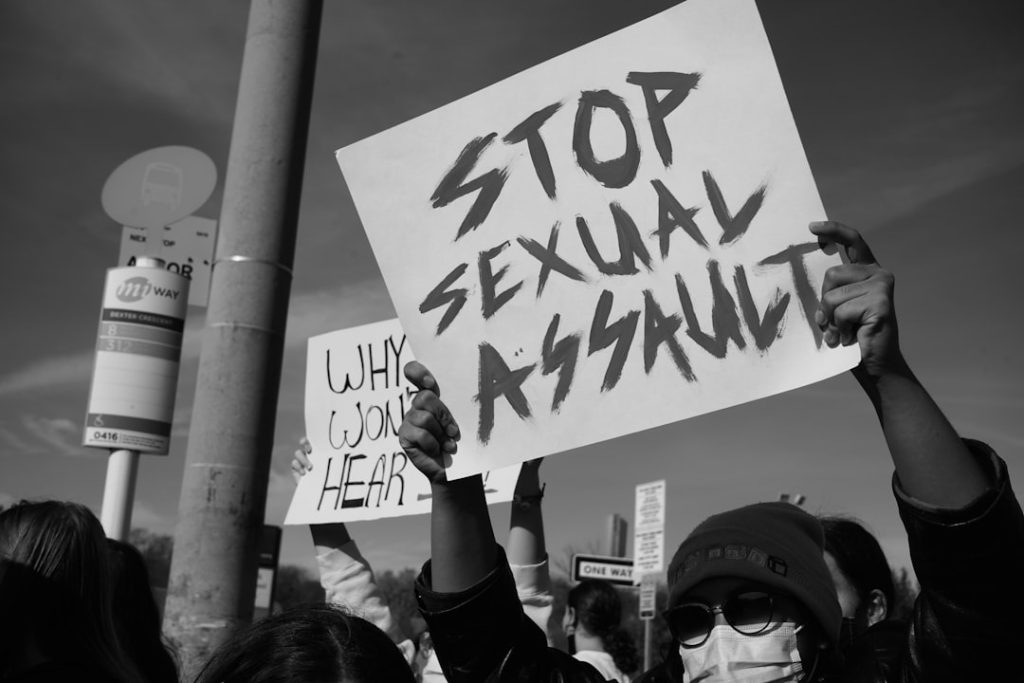
Photo by Anita Monteiro on Unsplash
Stay Connected with Flamr
Don’t forget to follow Flamr on social media!
Relacionado
Discover more from Fyra - Dating App for Progressives
Subscribe to get the latest posts sent to your email.