Love, Power, and the Ballot: Why Voting Rights Are a Relationship Issue
On a dating app, we talk a lot about chemistry, compatibility, and shared values. We swap stories about our favorite shows, our attachment styles, our love languages. But there’s another language that quietly shapes our relationships and futures: the language of power—who has it, how it’s used, and who gets a say. That’s what voting rights are really about.
It might not feel romantic at first glance, but voting is deeply tied to the lives we’re building together: whether we can afford healthcare, whether our communities are safe, whether our kids’ schools are funded, whether our friends and loved ones are protected from discrimination. When we talk about what kind of relationship we want, we’re also talking about what kind of world we want—and voting rights sit at the heart of that conversation.
How We Got Here: A Brief History of Who Counts
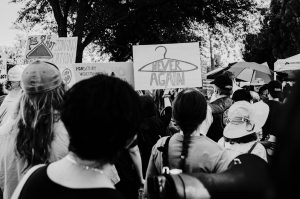
In the United States, the story of voting is the story of who is considered fully human, fully worthy, fully “in.” From the beginning, the right to vote was restricted to a narrow slice of the population—white, male, property-owning. Everyone else had to fight, march, organize, and risk their lives to be recognized.
Some key milestones:
- Reconstruction and backlash: After the Civil War, Black men gained the formal right to vote, but violent suppression, poll taxes, literacy tests, and terror campaigns quickly followed. The message was clear: legal rights on paper didn’t automatically translate into power in practice.
- Women’s suffrage: The 19th Amendment expanded voting rights to women, but in reality, many women of color—especially Black, Indigenous, and immigrant women—were still blocked by racist laws and practices.
- The Civil Rights Movement: The Voting Rights Act of 1965 was a watershed moment, outlawing many discriminatory tactics and giving the federal government tools to protect voters. It came at a tremendous cost—activists were beaten, jailed, and murdered.
- Modern rollbacks: In the 21st century, key protections in the Voting Rights Act have been weakened, opening the door for new forms of suppression: voter ID laws, aggressive purges of voter rolls, reductions in early voting, and more.
This history isn’t just a civics lesson—it’s a relationship lesson. It shows how power operates: who gets to decide the rules, whose voices are amplified, whose are silenced. When we say we’re looking for partners who “share our values,” part of that means asking: do we share a belief that everyone deserves a real say in what happens to their lives?
The State of Voting Rights Today: Barriers in the Everyday
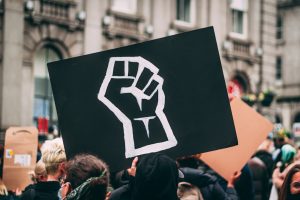
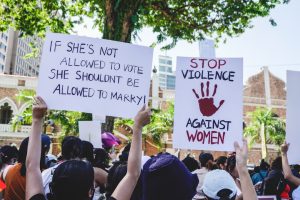
Today, voting rights are in a fragile and contested place. The language has changed—few politicians openly talk about excluding people—but the impact is familiar. Many communities, especially Black, Brown, Indigenous, immigrant, disabled, low-income, and young voters, still face disproportionate obstacles to casting a ballot.
Some of those barriers look like this:
- Strict ID laws: On paper, they sound neutral. In practice, they target people less likely to have certain forms of ID—students, elders, people without cars, people experiencing homelessness, and people who move often due to economic instability.
- Polling place closures and long lines: When polling locations are closed in certain neighborhoods, people are forced to travel farther and wait longer. If you’re juggling multiple jobs, caregiving responsibilities, or limited transportation, a three-hour line isn’t an inconvenience—it’s a barrier.
- Disenfranchisement of people with felony convictions: Millions of people, disproportionately Black and Brown, are barred from voting due to past convictions—even after they’ve served their sentences and returned to their communities.
- Attacks on mail-in and early voting: These options are crucial for disabled voters, rural communities, people with irregular schedules, and those who can’t easily get time off. Restrictions often fall hardest on those already marginalized.
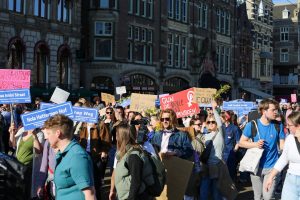
At the same time, there’s a rising movement to expand democracy: automatic voter registration, same-day registration, restoration of voting rights for people with past convictions, language access at the polls, and efforts to make Election Day more accessible.
We’re living in a tension between these two forces: one trying to narrow the circle of who counts, the other trying to widen it. And that tension shows up in our daily lives and relationships, whether we talk about it or not.
Why Dating Apps and Democracy Are More Connected Than You Think
On a progressive dating app, people often list their political values right alongside their favorite playlists and hobbies. “No racists.” “Black Lives Matter.” “Trans rights are human rights.” “Pro-choice.” “Mutual aid over rugged individualism.” These aren’t just slogans—they’re signals about how someone sees the world and how they might show up in a relationship.
Voting rights intersect with our dating lives in subtle but real ways:
- Shared future planning: When you talk with a match about whether you want kids, where you might live, or what kind of community you want to be part of, you’re implicitly talking about the policies and leaders that shape those realities. Voting is one of the tools we have to align the world with our shared vision.
- Safety and belonging: For LGBTQ+ people, people of color, immigrants, disabled folks, and other marginalized communities, voting can be a matter of survival. Laws influence whether you can access gender-affirming care, whether your marriage is recognized, whether your community is overpoliced, whether you’re targeted by hate.
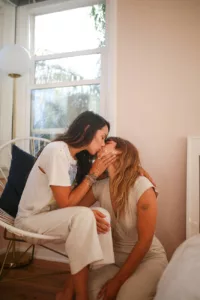
- Emotional intimacy: Talking about politics can feel vulnerable. But discussing how you see power, justice, and responsibility can deepen emotional intimacy. It reveals how you show up for others, how you handle conflict, how you respond to injustice.
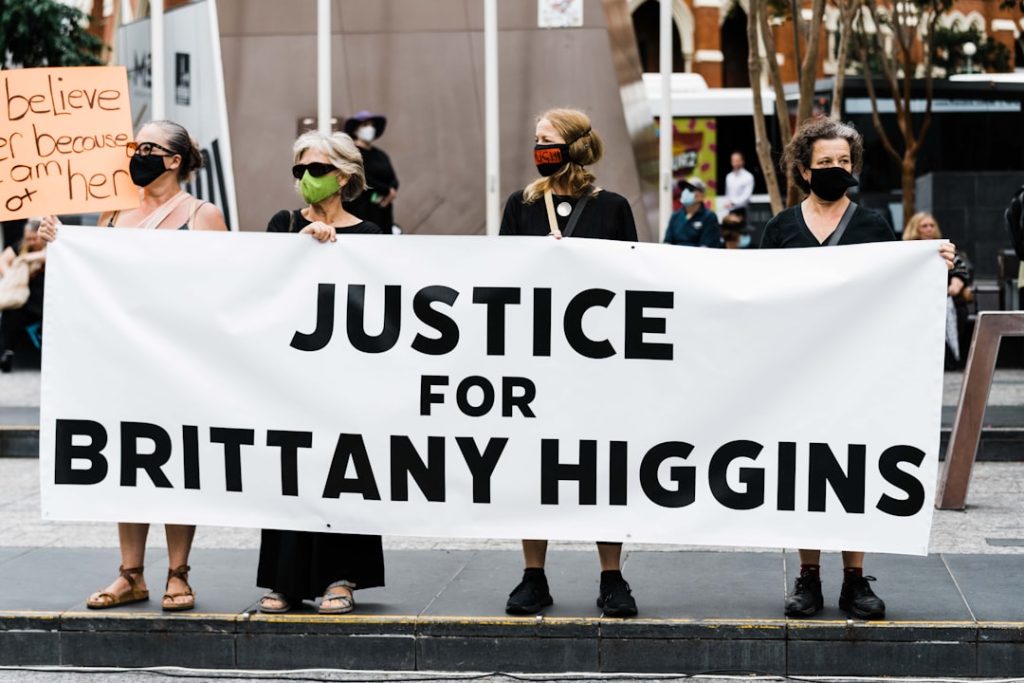
- Community care: Healthy relationships don’t exist in isolation. They’re nested in communities. When we fight for voting rights, we’re not just advocating for ourselves—we’re creating conditions where the people we love, and the people they love, can thrive.
In this sense, voting is a love practice. It’s imperfect and incomplete, but it’s one way of saying: “I care about what happens to people beyond my immediate circle. I’m invested in a future where more of us can live and love freely.”
Imagining a More Inclusive Democracy: Beyond the Ballot Box
To be clear, voting alone won’t save us. It’s one tool among many. But it’s a tool that becomes more powerful when combined with organizing, mutual aid, direct action, and cultural change.
Imagine a democracy where:
- Voting is easy and universal: Automatic voter registration, expanded early voting, mail-in options, accessible polling places, and translation services are standard, not special.
- People with past convictions are fully re-enfranchised: We recognize that punishment doesn’t erase humanity, and that those most impacted by the criminal legal system deserve a say in how it operates.
- Young people are welcomed, not sidelined: Civic education is robust, voting age debates are taken seriously, and youth voices are seen as vital to shaping policy.
- Local democracy is vibrant: Neighborhood assemblies, participatory budgeting, and community councils give people direct power over local decisions, complementing the act of voting rather than replacing it.
In a world like this, our relationships could breathe a little easier. The weight of systemic injustice wouldn’t disappear, but the distance between what we dream together and what’s possible would shrink. We’d have more space to focus on joy, creativity, care, and connection—because the basics of dignity and representation wouldn’t be constantly under attack.
What This Means for Us: Reflection and Action
If you’re reading this on a dating app blog, you might be somewhere between a first date and a long-term partnership, between a swipe and a shared lease, between “just talking” and “it’s complicated.” Wherever you are, your choices matter—not just in love, but in how you show up as a member of a broader community.
Some questions to reflect on, alone or with a partner:
- How did your family or community talk about voting when you were growing up? Who was encouraged to participate, and who was discouraged?
- Have you ever faced barriers to voting—logistical, emotional, or legal? How did that feel?
- What values do you want to guide your relationships, and how do those values show up in your political choices?
- How might you and your partners or friends support each other in being more engaged—without shaming, but with curiosity and care?
And if you’re looking for concrete actions, consider:
- Checking your registration status and making a plan to vote in upcoming elections—local and national.
- Helping a friend, date, or family member navigate the process—especially if they’re new to voting or have had bad experiences.
- Supporting organizations that fight voter suppression and expand access, especially those led by communities most impacted.
- Bringing these conversations into your dating life—asking about values, listening deeply, and being honest about what matters to you.
Love is not just about what happens between two people in private. It’s about the conditions that allow that love to grow, to be safe, to be seen. Voting rights are part of that ecosystem. When we defend and expand them, we’re not just “being political”—we’re tending to the soil where our relationships take root.
So as you swipe, flirt, connect, and dream, take a moment to ask: What kind of world do we want to build together—and how will we use our voices to move closer to it?
Photo by Stewart Munro on Unsplash
Stay Connected with Flamr
Don’t forget to follow Flamr on social media!
Relacionado
Discover more from Fyra - Dating App for Progressives
Subscribe to get the latest posts sent to your email.