Love in a Warming World: Dating in the Age of Climate Justice
When we talk about dating, we often focus on chemistry, communication, and compatibility. But in 2026, there’s another quiet question shaping our love lives: how do we build relationships in a world that’s literally on fire?
Climate change isn’t just a background issue anymore—it’s reshaping where we live, how we work, whether we want kids, and what we imagine our futures might look like. For many of us, climate justice isn’t a niche policy topic; it’s a core value, a dealbreaker, and sometimes a source of real grief and anxiety.
Yet within that heaviness, there’s also something powerful happening. People are finding each other through shared commitments to the planet, mutual care, and collective action. Love is becoming a site of resistance, resilience, and reimagination.
From “Environmentalist” to “Climate Justice”: How We Got Here
To understand why climate shows up on dating profiles now (“climate-conscious,” “no climate deniers, please,” “organizer for environmental justice”), it helps to look at the bigger story.
For much of the late 20th century, mainstream environmentalism in the U.S. focused on conservation: saving forests, protecting wildlife, cleaning up pollution. Important, yes—but often framed as separate from human communities, especially marginalized ones. Environmental protection was sometimes treated as a luxury concern, something you worry about once other needs are met.
Meanwhile, frontline communities—especially Black, Indigenous, and other communities of color, low-income neighborhoods, and people in the Global South—were pointing out something different: environmental harm was never evenly distributed. Toxic plants were built near their homes. Their water was contaminated first. Their land was taken, flooded, or poisoned. Their labor was exploited to fuel extractive industries.
By the early 2000s, the language of “environmental justice” was gaining ground. It connected racism, colonialism, capitalism, and environmental destruction into a single story: the same systems that devalue certain lives also devalue land, air, and water. Climate change, as it intensified, made these connections impossible to ignore.
Today, climate justice goes beyond cutting emissions. It asks: who is most harmed, who is most responsible, and who gets a say in what happens next? It demands that the transition to a sustainable world be fair, reparative, and rooted in community self-determination. And increasingly, people are asking those same questions in their personal lives and relationships.
Climate Anxiety, Climate Hope, and the Heart
Climate change is not just a scientific or political issue; it’s an emotional one. Many people carry:
- Climate anxiety: persistent worry or dread about environmental collapse.
- Climate grief: mourning for ecosystems, species, and ways of life already lost.
- Climate anger: rage at governments, corporations, and systems that have delayed action.
- Climate guilt: discomfort about personal consumption or complicity in harmful systems.
These feelings don’t stay neatly in the “news” section of our lives—they show up on dates, in late-night conversations, in decisions about whether to move, buy a house, or have children. For some, the question isn’t just “Do we want kids?” but “Is it ethical to bring kids into this world?” For others, it’s “Where can we build a life that feels relatively safe?” or “How do we care for our families if climate disasters keep getting worse?”
But alongside these fears, there’s also climate hope—rooted not in blind optimism, but in action, solidarity, and imagination. People are organizing, voting, striking, suing, planting, teaching, and storytelling their way toward different futures. Many are discovering that sharing those efforts with someone else can deepen connection and meaning.
In a way, climate justice forces us to ask what love really means. Is love just about two people building a private world together? Or is it also about how we show up for others, human and nonhuman, present and future? When we say we want to “build a life” with someone, what kind of world are we imagining that life in?
What Climate Values Look Like in Modern Dating
On a progressive dating app, climate justice doesn’t have to be an abstract concept. It can show up in very concrete ways—sometimes subtle, sometimes explicit.
1. Values as compatibility, not just aesthetics
For many, climate is now a core value, like feminism, racial justice, or LGBTQ+ rights. It might show up as:
- Stating climate or environmental justice as a top issue in your profile.
- Listing involvement in mutual aid, organizing, or climate-related work.
- Naming non-negotiables, like “no climate denial” or “must support science-based policy.”
These aren’t about perfection or purity; they’re about alignment. People want to know: will we show up for the same fights? Will we support each other when the news gets overwhelming? Do our visions of a good life include a livable planet for everyone?
2. Everyday choices, without purity tests
Climate justice can influence daily decisions—what we eat, how we travel, where we bank, what we buy. In relationships, that might mean:
- Talking about travel in terms of both joy and impact, balancing family, rest, and emissions.
- Choosing to support local businesses, co-ops, or climate-friendly services together.
- Discussing housing choices with an eye toward resilience, community, and equity.
But it’s important to remember: climate justice is about systems, not just individuals. No one can “consume their way” into saving the planet. If climate becomes a purity contest—who recycles more, who eats less meat, who flies less—it can quickly turn into shame and judgment.
In dating, a more compassionate approach is to ask: how do we support each other in making aligned choices, while recognizing we’re all navigating unequal constraints? How do we focus on the big levers—policy, organizing, collective action—rather than obsessing over individual perfection?
3. Imagining futures together
Climate change narrows some possibilities while opening others. It can feel like the future is shrinking, but it can also push us to imagine new ways of living: more community-based, less extractive, more grounded in care.
Conversations that once were purely logistical—Where will we live? How many kids do we want? What careers do we pursue?—now have additional layers. Some couples talk about:
- Choosing to live near strong community networks or mutual aid groups.
- Planning for interdependence, not just independence: sharing resources with neighbors, family, and friends.
- Considering climate resilience when deciding where to put down roots.
These aren’t just strategic decisions; they can be deeply intimate. They ask: how do we want to be with others in a changing world? What does safety mean when no one can fully guarantee it? How can we weave love, justice, and practicality together?
Building Climate-Conscious Relationships Without Burning Out
Engaging with climate justice can be exhausting. Doing it while dating—or while already in a relationship—adds another layer of complexity. But it can also be a source of grounding, purpose, and even joy.
Some ways people are navigating this balance:
- Practicing emotional honesty: naming when climate news is affecting mood, energy, or libido; giving each other space and care.
- Sharing the load: dividing tasks like calling representatives, attending meetings, or staying informed, so one person isn’t carrying everything.
- Setting boundaries: deciding when to unplug from news, when to rest, and when to focus on connection without guilt.
- Celebrating wins: acknowledging small and large victories in climate and justice movements, and letting them fuel hope.
Climate justice isn’t just about preventing harm; it’s also about building better systems and relationships. That means centering joy, pleasure, rest, and creativity too. A climate-conscious relationship can be one where you plant a garden together, join a local co-op, volunteer at a community fridge, or host potlucks with neighbors. It can be one where you dream up wild, beautiful futures—not because they’re guaranteed, but because they’re worth fighting for.
Love as a Climate Strategy
It might sound idealistic to say that love is a climate strategy. After all, we need policy, technology, funding, and systemic change. But love—expansive, justice-rooted love—helps sustain those efforts. It keeps people going when progress is slow, when setbacks hit, when disasters strike.
Love can:
- Anchor us in community, so we’re not facing crises alone.
- Motivate us to protect what we cherish, beyond ourselves.
- Challenge us to align our lives with our values, gently but persistently.
- Expand our sense of “we” to include people we may never meet, and ecosystems we may never see.
On a dating app, that might show up as simple questions: “What gives you hope?” “How do you care for your community?” “What kind of world are you trying to help build?” These aren’t small talk—they’re invitations to share what matters most.
Climate justice asks us to reimagine everything: energy, housing, work, transportation, governance. Why not also reimagine dating and relationships as part of that transformation? Not as escapism from the world, but as a practice ground for the kind of care, accountability, and creativity we need at scale.
As you swipe, chat, meet, or deepen existing relationships, consider taking a moment to reflect:
- How does climate show up in your hopes and fears about the future?
- What would it mean for you to date—and love—in ways aligned with climate justice?
- How might your relationships become sites of both comfort and courage in a warming world?
You don’t need to have perfect answers. You don’t need to be an expert or an activist. You just need to be willing to stay present, to listen, and to let your connections be shaped by a commitment to something larger than any one of us.
The world is changing fast. But so are we. And in that shifting landscape, there is still room—perhaps more than ever—for love that is honest, grounded, and fiercely hopeful.
So the next time you open a dating app, you might ask yourself: not just “Who do I want to meet?” but “What kind of future do I want to build—with others, and for others?” Then, one conversation at a time, see what becomes possible.
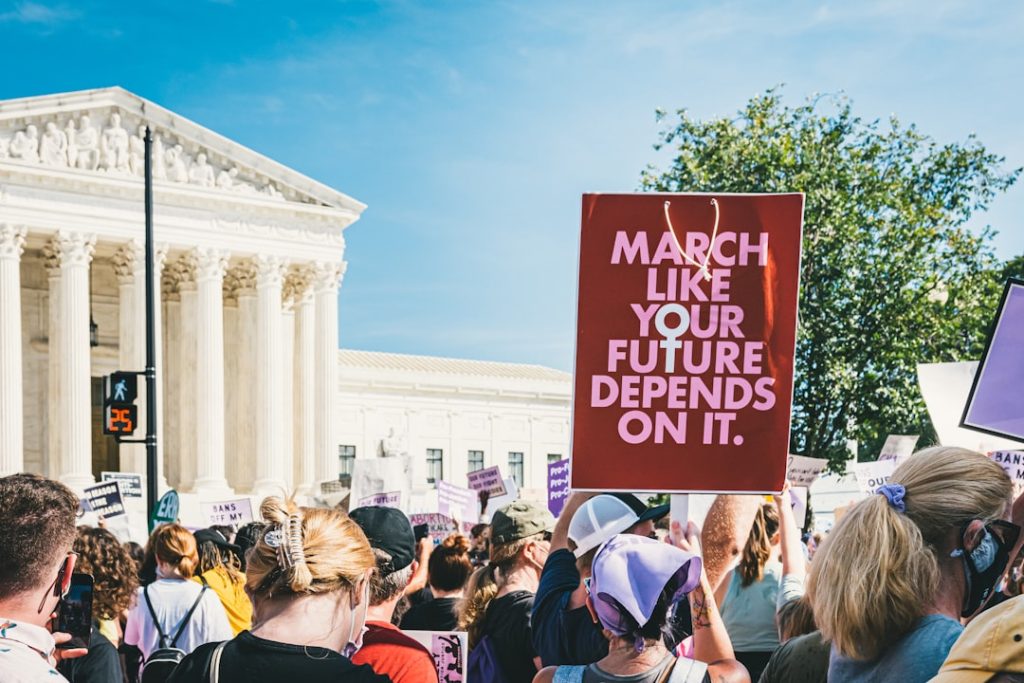
Photo by Gayatri Malhotra on Unsplash
Stay Connected with Flamr
Don’t forget to follow Flamr on social media!
Relacionado
Descubre más desde Fyra - Dating App for Progressives
Suscríbete y recibe las últimas entradas en tu correo electrónico.