
Swipe Right on Climate Justice: Love in a Warming World
Dating apps are usually about finding someone who likes the same music, memes, or late-night snacks. But more and more, they’re also about finding someone who shares your values—especially when it comes to the biggest issue of our lifetime: climate justice.
Climate change isn’t just about melting ice caps and scary graphs. It’s about who gets to live safely, who breathes clean air, who has a home when the storm is over, who has a future that feels worth planning for. It’s about power, history, and fairness. And whether we’re conscious of it or not, it’s shaping who we are as partners, friends, parents, and community members.
To talk about love in 2026 without talking about climate justice is to ignore the backdrop of almost every decision we make—from whether we want kids to where we live, what we eat, and who we stand with. The good news: we’re not powerless. The choices we make in our relationships and our communities can help shift what’s possible.
From “Environment” to “Justice”: How We Got Here
For decades, mainstream conversations about the environment were framed around “saving the planet” in abstract terms—protecting whales, forests, and distant ecosystems. Important, yes, but often detached from the everyday realities of people whose lives were already being disrupted by pollution, extraction, and climate disasters.
Climate justice movements changed that conversation by asking: Who is paying the price? Whose neighborhoods are next to oil refineries and highways? Who loses their home first in a flood? Who has the least power to influence the policies that shape their fate?
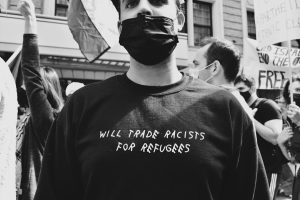
Historically, low-income communities, Indigenous nations, and communities of color have been pushed to the frontlines of environmental harm. From toxic waste sites in Black neighborhoods to pipelines cutting through Native lands, the pattern is clear: those with the least political and economic power are often sacrificed first.
Climate justice connects the dots between:
- Racial justice and environmental racism
- Labor rights and the conditions of workers in fossil fuel and “green” industries
- Housing and displacement after climate disasters
- Global inequality and the fact that countries that contributed least to emissions often suffer most
It’s not just about carbon; it’s about fairness, repair, and who gets to thrive.
The Climate Is Changing—And So Are Our Relationships
Climate anxiety is no longer a niche concern. It shows up in therapy sessions, group chats, and yes, dating profiles. People mention being “climate-conscious” or “looking for someone who cares about the planet.” Others talk openly about wrestling with questions like whether to have children in an uncertain future.
At the same time, climate disasters are reshaping our social lives in tangible ways: evacuations, power outages, smoky summers, flooded basements, and heat waves that make going outside dangerous. Some people are moving to new cities or regions because of fires, storms, or rising rents driven by climate-related housing pressure. Relationships are being formed, tested, and transformed in the middle of all this.
In this context, climate justice becomes not just a political stance but a relational one. It asks: how do we show up for each other when the world is unstable? How do we build relationships that are rooted in care, not just for each other, but for the communities and ecosystems we’re part of?
Some emerging shifts in how people date and relate include:
- Shared values as a non-negotiable: Many people now see climate concern as a core value, not a side interest—like wanting a partner who respects consent, supports LGBTQ+ rights, or believes in racial justice.
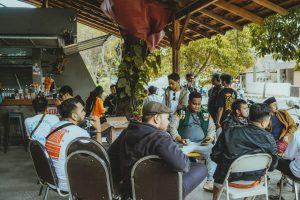
- Community-minded love: Relationships are less about building a two-person bubble and more about weaving into networks of mutual aid, activism, and local support.
- Honest conversations about the future: Couples are having deeper talks about resilience, caregiving, and what it means to build a life in a time of overlapping crises.
None of this is simple. Climate justice asks us to hold grief and hope at the same time—to acknowledge loss without giving up on the possibility of repair.
Where We Are Now: Crisis, Creativity, and Contradictions
We live in a time of contradictions. Governments and corporations still pour money into fossil fuels, even as climate disasters become more frequent and severe. At the same time, climate justice movements are more organized, intersectional, and imaginative than ever.
Young people, Indigenous organizers, frontline communities, and workers are pushing for a different kind of transition—one that doesn’t just swap out gas cars for electric ones while leaving inequality intact, but transforms the systems that created the crisis in the first place.
We’re seeing:
- Demands for a just transition: Moving away from fossil fuels in ways that protect workers, support communities, and avoid creating new sacrifice zones.
- Legal and policy wins: Court cases holding governments and corporations accountable, local policies that phase out fossil fuel infrastructure, and new frameworks for climate reparations and loss-and-damage funding.
- Mutual aid and community resilience: Grassroots networks that provide food, shelter, medical support, and emotional care during disasters—often faster and more effectively than official systems.
And yet, the scale of change still lags behind the scale of the crisis. It’s easy to feel like nothing we do is enough. But that’s part of the story climate justice tries to rewrite: shifting from individual guilt to collective power.
It’s not about whether your reusable water bottle will “save the planet.” It’s about how millions of people, in their relationships and communities, can shift what’s politically possible—and how we treat each other along the way.
Love as a Climate Strategy
Love alone won’t stop a hurricane or shut down a coal plant. But love—understood as deep care, solidarity, and commitment—can change what we’re willing to fight for and who we’re willing to fight alongside.
In a dating context, climate justice might look like:
- Values-forward profiles: Being explicit that you care about climate justice, racial equity, and collective well-being—not as a branding exercise, but as an honest reflection of what matters to you.
- Climate-conscious dates: Choosing activities that connect you to place and community—like volunteering at a community garden, attending a local climate or housing justice meeting together, or exploring car-free ways to enjoy your city.
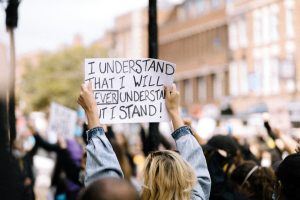
- Shared learning: Reading, listening, and learning together about climate justice, especially from frontline communities, Indigenous voices, and organizers who’ve been doing this work long before it was trending.
- Practicing care in crisis: Making plans for how you’ll support each other and your neighbors during extreme weather events—checking on elders, sharing resources, organizing group chats for mutual aid.
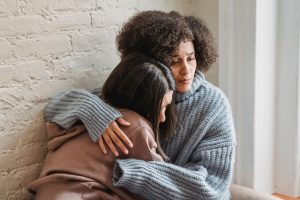
Love, in this sense, is not an escape from the world but a way of being more fully in it. It’s choosing to build relationships that are honest about fear and uncertainty, but still commit to showing up.
There’s a quiet radicalism in saying: “I know the future is uncertain, and I’m still willing to care. I’m still willing to invest in people, in community, in joy.” That’s not denial; it’s defiance.
Where We Go From Here: Dating With a Climate-Conscious Heart
Climate justice invites us to expand our idea of what “compatibility” means. It’s not just about hobbies or taste—it’s about how we see our place in the world. Do we believe our lives are connected to the lives of people we’ll never meet? Do we care about those connections enough to change how we live, vote, work, and love?
You don’t have to be a full-time activist to be part of this story. You can start small and close to home. You can start in your dating life.
Some questions to reflect on, alone or with someone you’re getting to know:
- How does climate change show up in your feelings about the future?
- What does “climate justice” mean to you personally?
- How do your other values—about race, gender, labor, and economic fairness—connect to your views on climate?
- In a crisis, what kind of partner or friend do you want to be? What kind of community do you want around you?
From there, consider one concrete step you could take this month that links your love life and your climate values. It could be as simple as updating your profile to reflect what you care about, suggesting a date that supports a local climate-justice-oriented space, or starting a conversation about these topics with someone you’re already seeing.
We may not control the global temperature curve on our own, but we do shape the culture we live in—through our choices, our conversations, and the relationships we build. When we bring climate justice into our dating lives, we’re quietly rewriting what “normal” looks like.
So the next time you’re swiping, messaging, or planning a date, ask yourself: How can I show up as someone who cares about a livable, just future—for my match, for my community, and for people I’ll never meet? The answer doesn’t have to be perfect. It just has to be real. And it can start right now.
Photo by Sasun Bughdaryan on Unsplash
Stay Connected with Flamr
Don’t forget to follow Flamr on social media!
Relacionado
Discover more from Fyra - Dating App for Progressives
Subscribe to get the latest posts sent to your email.