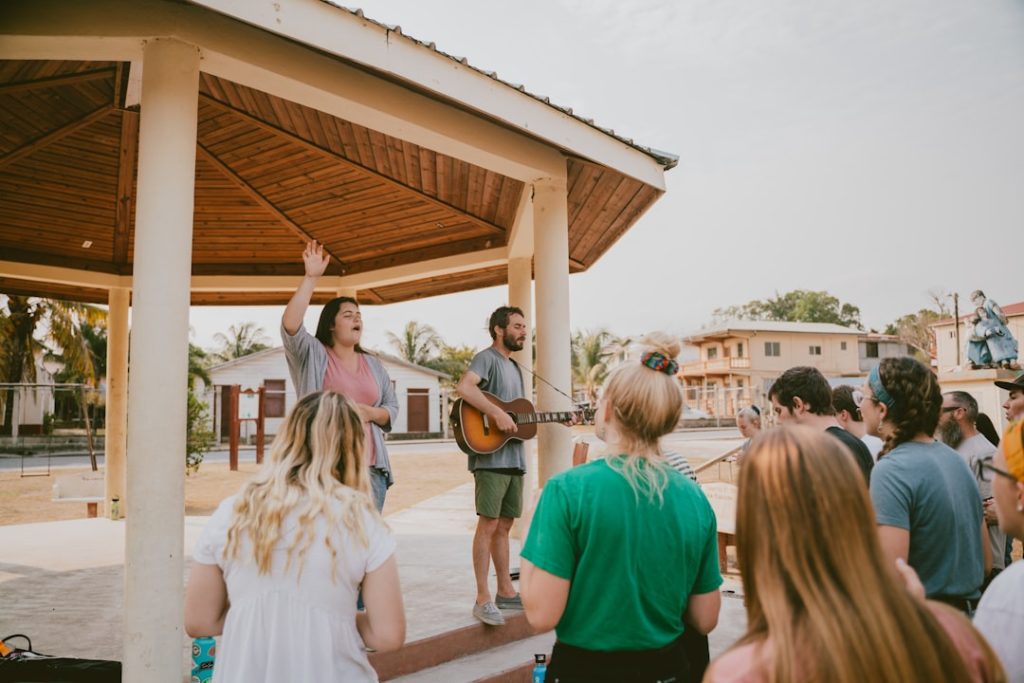
Why Progressive Community Events Matter for Your Love Life (and Your City)
Progressive dating isn’t just about who you swipe on—it’s about the world you’re building with the people you meet. Community events are where values turn into action, strangers become friends, and sometimes, friends become something more. Whether you’re passionate about climate justice, queer liberation, racial equity, or mutual aid, getting involved is one of the most meaningful ways to expand your social circle and meet people who care about the same things you do.
You don’t have to be a seasoned organizer or extrovert to show up. Today’s progressive spaces are increasingly intentional about accessibility, inclusivity, and multiple ways to participate—online and offline. Here’s how to plug in, find your people, and maybe even find a date along the way.
Types of Progressive Community Events You Can Join
Progressive community events come in many forms. Some are loud and public; others are quiet and intimate. All of them are opportunities to connect around shared values.
- Mutual aid and community care
Food distribution, community fridges, free stores, diaper drives, and ride shares. These events focus on neighbors helping neighbors, outside of traditional charity models. They’re great if you want to do something tangible and see the impact immediately. - Teach-ins, workshops, and skill shares
These might cover topics like anti-racism, consent and healthy relationships, digital security, disability justice, harm reduction, or organizing basics. Skill shares can also be practical—bike repair, first aid, community gardening, or language exchanges. - Protests, marches, and rallies
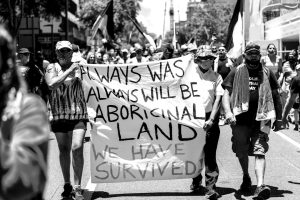
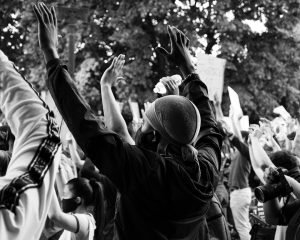
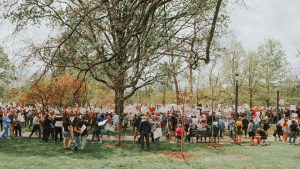
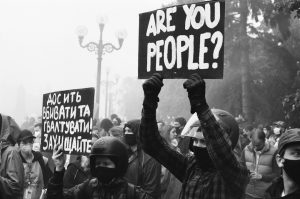
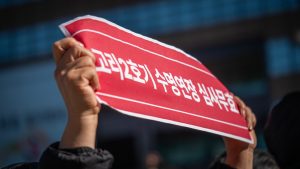
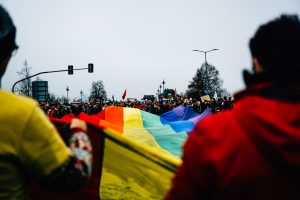
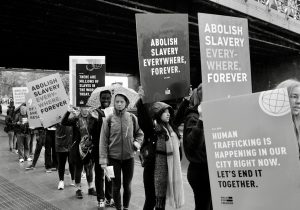
Public demonstrations for climate justice, reproductive rights, trans liberation, workers’ rights, and more. They offer powerful collective energy and a sense of solidarity, and often include art, music, and speakers from impacted communities. - Discussion circles and book clubs
Smaller, recurring spaces that center conversation and reflection. Think feminist book clubs, abolitionist reading groups, queer film nights with discussion, or community dialogues on local issues. - Social meetups with a purpose
Queer mixers, BIPOC-only spaces, sober social events, disability and chronic illness meetups, polyamory and ethical non-monogamy discussion groups, and intersectional affinity spaces. These often blend fun with mutual support and resource sharing. - Creative and cultural events
Zine fests, open mics, drag shows, community art builds, mural painting days, and cultural festivals. Art has always been central to progressive movements, and these events tend to be welcoming, expressive, and full of connection. - Campaigns and civic engagement
Phone banking, text banking, voter registration drives, community canvassing, and town halls focused on progressive candidates or ballot measures. These can be in-person or entirely virtual.
You don’t have to pick just one lane. Many people move between different types of events depending on their energy, schedule, and comfort level.
How to Find Local Progressive Events (Online and IRL)
Finding your people is easier when you know where to look. Most progressive events are publicized across multiple platforms, so try a mix of these:
- Event platforms
- Meetup: Search keywords like “mutual aid,” “social justice,” “queer,” “feminist,” “climate,” or “progressive politics” plus your city.
- Eventbrite: Filter by “Community & Culture,” “Charity & Causes,” or “Government & Politics,” and adjust the location radius to find nearby events.
- Social media and community boards
- Local Instagram pages and hashtags (e.g., #YourCityMutualAid, #YourCityQueerEvents).
- Facebook Events and groups centered on progressive issues in your area.
- Reddit city subreddits and community subreddits often host event threads.
- Local organizations and collectives
Check the websites and social feeds of:- Grassroots justice organizations (racial justice, tenants’ unions, climate groups, disability justice orgs).
- LGBTQ+ centers and pride organizations.
- Reproductive justice and gender equity groups.
- Worker centers, unions, and co-ops.
Many have “Events,” “Calendar,” or “Get Involved” tabs.
- Campus and library calendars
Even if you’re not a student, universities and community colleges often host public lectures, teach-ins, and cultural events. Public libraries frequently offer book clubs, civic engagement workshops, and community discussions. - Online-only spaces
Virtual events are still going strong:- Zoom-based reading groups and political education series.
- Online town halls, webinars, and Q&A sessions with organizers and scholars.
- Discord servers and Slack communities for ongoing connection.
Many in-person groups now also offer hybrid options, making it easier to attend if you’re disabled, immunocompromised, caretaking, or just not up for commuting.
When you find an event you like, follow the organizers so you’ll hear about future opportunities without having to search every time.
Why Community Building Is Central to Progressive Dating
Progressive values are relational. They’re about how we treat each other, how we share power, and how we show up when things are hard. That’s also what makes relationships work. Community events give you a chance to see those values in action, in a way that dating profiles never fully capture.
Showing up in community can:
- Deepen your values: It’s one thing to say you care about justice; it’s another to be in a room (or Zoom) where people are organizing around it. You’ll learn, unlearn, and grow alongside others.
- Expand your social network: Instead of meeting people in purely romantic contexts, you’ll meet them as collaborators, co-learners, and neighbors. That can lead to friendships, creative partnerships, and slow-burn romances.
- Reduce isolation: Many people feel politically discouraged or alone in their beliefs. Community spaces remind you that you’re not the only one who wants the world to be different.
- Build relationship skills: Practicing consent, accountability, conflict resolution, and active listening in community makes you better at those things in dating and long-term partnerships.
- Support marginalized communities: If you hold privilege in certain areas, showing up consistently is one way to redistribute time, energy, and resources—without centering yourself.
For many people, the most meaningful relationships come from shared work and shared care, not just shared interests. Community events are where that work and care are happening.
Tips for First-Timers (Especially If You’re Nervous)
Walking into a new space—especially one that feels political or “serious”—can be intimidating. You’re not alone in that. Here are some ways to make your first experience more comfortable and grounded.
- Start with your capacity
If you’re shy or burned out, you don’t have to jump into a huge march. Try a small discussion group, a book club, or a one-time workshop. Online events can be a gentle entry point, since you can keep your camera off or participate in the chat. - Read the event description carefully
Look for notes about accessibility, COVID safety, whether the space is kid-friendly, whether it’s BIPOC-only or queer-only, and any expectations around participation. Respect identity-specific spaces; if you’re not part of the group, look for events that welcome allies. - Bring a buddy (if that feels better)
Ask a friend, date, or roommate to come with you. Having someone you know by your side can make introductions and small talk feel less daunting. - Introduce yourself to an organizer
At the beginning or end, say something simple like: “Hi, I’m new here. Is there anything I should know or ways I can plug in?” Most organizers are thrilled to welcome new people and will point you toward next steps. - Honor your boundaries
You don’t have to share personal stories, disclose identities, or take on tasks you’re not ready for. It’s okay to listen more than you speak, leave early if you’re overwhelmed, or say, “I’m still learning about this; I’m here to listen and support.” - Be mindful about dating dynamics
Community spaces aren’t just dating pools; they’re places where people are working, healing, and sometimes reliving trauma. If you’re interested in someone, approach with care:- Don’t treat events as a pick-up scene.
- Prioritize consent and respect—if someone’s not engaging, let it go.
- Consider building a friendship first; let things evolve organically.
- Follow up
If you enjoyed the event, sign up for the email list or follow the group online. Send a quick note to say thanks or ask how to stay involved. Consistency is how community—and trust—are built.
Finding Your Place, At Your Own Pace
There’s no one “right” way to be involved in progressive community spaces. Some people are out on the streets; others are behind the scenes writing copy, doing childcare, cooking meals, or moderating online forums. All of it matters.
If you’re using a progressive dating app, you already know that values are a big part of connection. Community events are where those values become lived practice—where you can meet people who care about justice, joy, and mutual care as much as you do.
Start small. Pick one event that feels doable. Show up once. Then see how it feels to show up again. Over time, you’ll build not just a calendar full of things to do, but a web of relationships that can support you, challenge you, and maybe even fall in love with you.
Progressive community isn’t an abstract idea; it’s a living network of people who choose each other, over and over. You’re invited.
Photo by Vince Fleming on Unsplash
Stay Connected with Flamr
Don’t forget to follow Flamr on social media!
Relacionado
Discover more from Fyra - Dating App for Progressives
Subscribe to get the latest posts sent to your email.