Why Progressive Community Events Matter for Your Love Life (and Your Soul)
Dating isn’t just about swiping—it’s about finding people who share your values, dreams, and sense of justice. Progressive community events are one of the best ways to meet like-minded folks, build real connections, and feel less alone in the work of making the world more equitable.
Whether you’re looking for romance, friendship, or simply a sense of belonging, getting involved in progressive spaces can deepen your relationships and your impact. From mutual aid meetups to climate marches, there’s a place for you—even if you’re brand-new to “showing up.”
Types of Progressive Community Events (and What to Expect)
Progressive community spaces are as diverse as the people in them. You don’t have to be an expert organizer or a seasoned activist to join in. Here are some common types of events and how they typically work:
-
Mutual Aid & Community Care
These events focus on neighbors helping neighbors. You might:- Pack grocery boxes or hygiene kits
- Deliver supplies to elders or disabled community members
- Help run a community fridge or clothing swap
Expect a collaborative, often informal vibe where everyone pitches in and learns as they go.
-
Issue-Based Meetings & Teach-Ins
These are spaces to learn and plan around specific issues: racial justice, reproductive rights, housing, LGBTQ+ rights, climate justice, disability justice, and more. You might:- Attend a workshop on anti-racism, consent, or transformative justice
- Join a planning meeting for a campaign or action
- Listen to speakers from impacted communities
These events can be more structured, with facilitators, agendas, and time for questions.
-
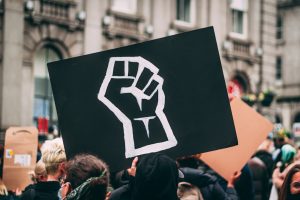
Protests, Rallies, and Marches
Public demonstrations are about visibility, solidarity, and pressure for change. You might:- March with a local coalition
- Hold signs, chant, or help with accessibility support
- Meet people in affinity groups (e.g., queer bloc, youth bloc, faith-based groups)
Organizers often share safety, accessibility, and legal info beforehand—keep an eye out for that.
-
Social & Cultural Events with a Progressive Lens
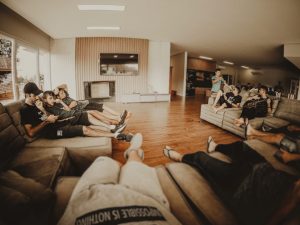
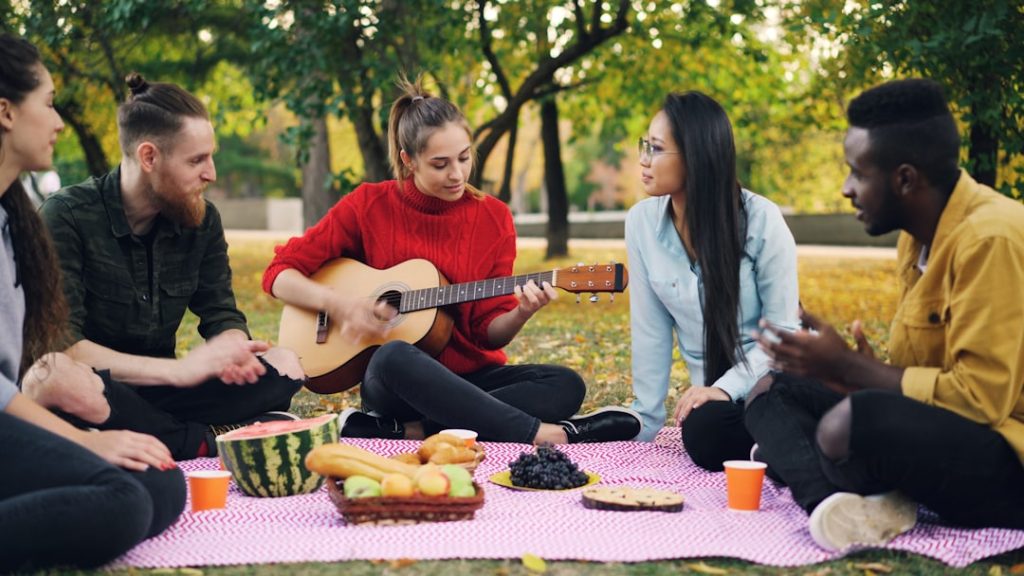
Not everything is a meeting or a march. Progressive communities also create joy:- Queer dance nights, sober socials, and inclusive speed-dating events
- Poetry slams, film screenings, and art shows centering marginalized voices
- Book clubs, potlucks, and game nights with a justice-oriented twist
These are great low-pressure spaces to meet people who share your values.
-
Skill-Sharing & Training Sessions
These events build collective power by spreading skills:- Media and storytelling workshops
- Bystander intervention, de-escalation, or digital security trainings
- Organizing basics: how to phonebank, canvass, or run a campaign
You’ll often leave with practical tools and new contacts.
Whether your comfort zone is quiet learning or loud chanting, there’s a lane for you.
How to Find Local Progressive Events (Online and IRL)
You don’t need to already “know people” to get plugged in. Here are ways to discover what’s happening around you:
-
Event Platforms
- Meetup: Search terms like “social justice,” “mutual aid,” “queer community,” “climate action,” or “feminist.”
- Eventbrite: Filter by your city and categories like “charity & causes,” “community,” or “LGBTQ+.”
- Facebook Events: Even if you rarely use Facebook, it’s still a hub for local events from grassroots groups.
-
Local Organizations & Coalitions
- Check websites and social media for local chapters of national orgs (e.g., racial justice coalitions, reproductive rights orgs, climate networks).
- Follow community centers, LGBTQ+ centers, worker centers, and student groups.
- Look for newsletters; many orgs send weekly or monthly event roundups.
-
Community Spaces
- Libraries, community centers, and independent bookstores often host progressive events or post flyers.
- Campus event boards (even if you’re not a student) can list public lectures, teach-ins, and cultural events.
- Co-ops, mutual aid hubs, and social justice-oriented cafes often have bulletin boards.
-
Online Communities
- Discord servers, Slack groups, and online forums for specific issues (e.g., climate, disability justice, trans advocacy).
- Subreddits for your city or region, plus topic-specific spaces (e.g., r/socialjustice, local mutual aid threads).
- Group chats and community channels linked from org websites or social media bios.
-
Your Dating App Bio
- Mention that you’re interested in progressive events and open to attending together.
- Ask matches about their favorite local orgs or causes; you might discover new spaces through them.
Start with one or two recurring events that fit your schedule and interests—consistency makes it easier to build real connections.
Why Community Building Is Essential (Not Optional)
Progressive politics is about more than policies; it’s about how we show up for each other. Community events help turn shared values into lived relationships.
-
They combat isolation.
Many people—especially queer, trans, disabled, BIPOC, immigrant, and other marginalized folks—experience isolation. Community spaces offer affirmation, safety, and mutual support that dating apps alone can’t provide. -
They ground your values in practice.
It’s one thing to say you care about justice; it’s another to share childcare at a meeting, bring someone a meal, or show up at a tenants’ union gathering. These experiences deepen your understanding and empathy. -
They create a shared language for relationships.
When you meet people in progressive spaces, you’re more likely to share frameworks around consent, boundaries, power dynamics, and accountability. That’s a strong foundation for dating, friendships, and chosen family. -
They build resilience and joy.
Movements are long-haul; burnout is real. Community events that center joy—dance parties, art nights, healing circles—remind us that pleasure and rest are part of liberation, not distractions from it. -
They connect personal and collective growth.
Learning to listen, apologize, share power, and hold complexity in community can transform how you show up in intimate relationships too.
When you invest in community, you’re not just “volunteering”—you’re co-creating the world you want to date and live in.
Tips for First-Timers (Especially If You’re Nervous)
Walking into a new space can feel intimidating, especially if you’re shy, new to activism, or worried about “saying the wrong thing.” You’re not alone. Here are some gentle, practical tips:
-
Start with your comfort level.
If big crowds overwhelm you, look for smaller gatherings like book clubs, discussion circles, or online events. If sitting still is hard, try more hands-on activities like mutual aid packing nights. -
Bring a buddy (or meet one there).
Invite a friend, date, or partner. If you’re going solo, email or DM the organizers beforehand and say you’re new—they can often pair you with a point person. -
Ask about accessibility upfront.
It’s okay—and important—to ask:- Is the space wheelchair accessible?
- Will there be ASL interpretation or captions?
- Are there quiet areas or sensory-friendly options?
- Is there a hybrid/online option?
Progressive spaces should welcome these questions; if they don’t, that’s useful information too.
-
Respect boundaries and identities.
Use people’s names and pronouns (ask if you’re unsure), avoid assumptions about gender, race, class, or ability, and be mindful not to dominate conversations—especially if you hold privilege in the room. -
Be honest about your experience level.
You don’t need to pretend you’re more “politically educated” than you are. Many groups have intro sessions or educational resources for newcomers. -
Take care of your body and energy.
Bring water, snacks, meds, and anything that helps you regulate (earplugs, stim toys, a notebook). It’s okay to step outside, leave early, or say, “I need a break.” -
Follow up afterward.
If you enjoyed the event, sign up for the email list, join the group chat, or connect with someone you met. A simple message like, “It was nice meeting you; hope to see you at the next one,” can plant the seed of a new relationship.
Remember: you don’t have to “prove” your worth to be there. Showing up is already meaningful.
Blending Online and In-Person Involvement
Hybrid community is here to stay—and that’s good news for accessibility, safety, and flexibility. You can tailor your involvement to your life, health, and comfort level.
-
Online Options
- Virtual workshops, panels, and reading groups
- Online mutual aid coordination (e.g., spreadsheet-based funds, rideshares, meal trains)
- Digital campaigns (email/phone actions, social media amplification, letter-writing)
- Community Discord or Slack channels for ongoing connection
Online spaces can be especially helpful if you’re disabled, immunocompromised, a caregiver, or living in a rural area.
-
In-Person Options
- Neighborhood-based mutual aid, tenant organizing, and community care
- Local protests, vigils, and town halls
- In-person socials, potlucks, and cultural events
These spaces can deepen trust and make it easier to build local networks you can rely on.
-
Mix and match.
You might:- Start with an online orientation, then attend an in-person event once you feel ready.
- Join a virtual reading group while volunteering in person once a month.
- Attend events online with a date or partner, then process together afterward.
The goal isn’t to do everything; it’s to find sustainable, meaningful ways to plug in.
Turning Shared Values into Shared Lives
Progressive community events aren’t just “extra credit” for your politics—they’re fertile ground for the kinds of relationships many people are craving: honest, accountable, caring, and rooted in something larger than two individuals.
When you show up to a mutual aid night, a queer film screening, or a climate justice training, you’re doing more than volunteering. You’re stepping into a network of people who are also trying to live their values, heal from harm, and imagine new futures together.
So pick one event. Sign up, show up in whatever way you can, and give yourself permission to be new. Your next great love story—or friendship, or chosen family connection—might start in a community meeting, standing in line for snacks, or sharing a clipboard at a rally.
And even if it doesn’t, you’ll still walk away with something that dating apps alone can’t offer: a deeper sense of belonging, purpose, and possibility.
Photo by Vitaly Gariev on Unsplash
Stay Connected with Flamr
Don’t forget to follow Flamr on social media!
Relacionado
En savoir plus sur Fyra - Dating App for Progressives
Subscribe to get the latest posts sent to your email.