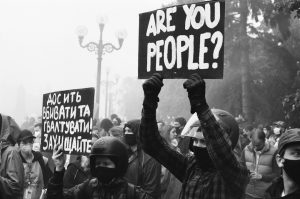

Activism is often born from love—love for people, for justice, for the planet, for a future we can believe in. It can be deeply meaningful and energizing. It can also be exhausting, heartbreaking, and, at times, overwhelming.
If you’re engaged in activism in any form—organizing, protesting, mutual aid, online advocacy, community care—you might find yourself carrying more than your nervous system was built to hold. The constant stream of crises, the pressure to “do more,” and the pain of witnessing injustice can take a real toll on mental health.
You are not weak or selfish for feeling tired, numb, or overwhelmed. You are human. And your wellbeing matters as much as the work you’re doing.
This post explores burnout prevention, emotional resilience, community support, and how to sustain activism without sacrificing your mental health. It’s meant to be validating, practical, and gentle—something you can return to when you need a reminder that you deserve care too.
—
Understanding Activist Burnout
Burnout is more than feeling tired; it’s a state of emotional, mental, and often physical exhaustion caused by prolonged stress. In activism, burnout can be intensified by:
– Constant exposure to injustice and trauma
– Feeling responsible for “fixing” everything
– Internal or external pressure to always be “on”
– Lack of institutional support, funding, or recognition
– Conflict or harm within movements and organizations
Warning Signs of Burnout
If you recognize yourself in these, it doesn’t mean you’ve failed—it means your body and mind are asking for care:
– Emotional signs
– Feeling numb, hopeless, or detached
– Increased irritability, anger, or resentment
– Loss of joy in things that used to energize you
– Compassion fatigue: finding it hard to care, even when you want to
– Mental signs
– Difficulty concentrating or making decisions
– Constant self-criticism (“I’m not doing enough”)
– Cynicism about change or the value of your work
– Feeling like everything is urgent and nothing is enough
– Physical signs
– Chronic fatigue or insomnia
– Headaches, stomach issues, muscle tension
– Changes in appetite
– More frequent illnesses
– Behavioral signs
– Withdrawing from community or relationships
– Overworking, saying yes to everything
– Losing track of boundaries (no time off, no breaks)
– Increased use of substances to cope
Noticing these signs early is a gift you can give yourself. Burnout is not a moral failing; it’s feedback.
—
Emotional Resilience: Feeling Without Breaking
Emotional resilience doesn’t mean you never struggle. It means you have ways to bend without snapping, and to return to yourself when you feel overwhelmed.
1. Allow Yourself to Feel
Activism often involves witnessing suffering and injustice. It’s natural to feel grief, anger, fear, or despair.
– Give yourself permission to feel without judging those feelings as “weak” or “unproductive.”
– Use simple check-ins: “What am I feeling right now? Where do I feel it in my body?”
– Try naming your emotions: “I feel grief,” “I feel anger,” “I feel helpless.” Naming can reduce intensity.
2. Practice Emotional Boundaries
You can care deeply without carrying everything alone.
– Notice when you’re absorbing more pain than you can hold.
– Remind yourself: “I can care about this and still protect my nervous system.”
– Limit doom-scrolling and constant exposure to traumatic content. Set time boundaries for news and social media.
3. Build Emotional Processing Rituals
Create small, consistent practices that help you move emotion through your body:
– Journaling after a protest or meeting
– Talking with a trusted friend or therapist
– Gentle movement: walking, stretching, dancing
– Breathwork (e.g., slow exhale breathing: inhale for 4, exhale for 6)
– Creative outlets: art, music, poetry, crafting
These don’t erase pain, but they help your nervous system integrate it.
—
Burnout Prevention Through Self-Care
Self-care in activism isn’t selfish or frivolous. It’s strategy. Movements need people who can stay engaged over time, not just sprint until they collapse.
1. Redefine Self-Care as Collective Care
Instead of seeing self-care as an individual indulgence, view it as part of the ecosystem of sustainable activism.
– Ask: “What do I need to keep showing up?”
– Normalize rest and boundaries in your groups.
– Treat others’ limits with respect—this helps everyone feel safer to honor their own.
2. Practical Self-Care Strategies
Here are concrete practices you can start small with:
Physical care
– Aim for regular sleep; even 30 minutes more can help.
– Eat nourishing meals as often as you can. Prep simple foods for busy days.
– Hydrate throughout the day—activist events often forget about water.
– Schedule rest days like you schedule meetings.
Mental care
– Set specific times for checking news and social media; avoid late-night doom-scrolling.
– Use “micro-breaks”: 2–5 minutes to step away, breathe, or stretch.
– Practice saying no: “I can’t take that on right now,” or “I’m at capacity.”
Emotional care
– Have at least one person you can be honest with about how you’re doing.
– Create a small “care plan” for intense days (e.g., protest days, difficult meetings): who you’ll check in with, what you’ll do afterward to decompress.
– Allow yourself joy and pleasure—watch something funny, spend time with loved ones, enjoy nature. Joy is not a betrayal of the cause; it’s fuel.
Spiritual or meaning-based care (if relevant to you)
– Reconnect with why you started: your values, the people you love, the world you want.
– Engage in practices that ground you—meditation, prayer, nature, art, ritual.
—
Community Support: You Don’t Have to Do This Alone
No movement can be sustained by isolated individuals running themselves into the ground. Community support is both a protective factor and a source of healing.
1. Share the Load
– Advocate for shared leadership and rotating responsibilities in your groups.
– Create systems for backup: if someone is unwell or overwhelmed, there’s a plan.
– Normalize stepping back as part of the work, not a failure.
2. Build Care into Organizing Spaces
Small shifts can make a big difference:
– Start meetings with a check-in: “How’s everyone doing?”
– Add explicit time limits to meetings and events.
– Include breaks in long gatherings.
– Create a culture where people can say, “I need a pause,” without shame.
3. Practice Mutual Aid for Mental Health
Mutual aid isn’t just food, money, or supplies; it can be emotional support too.
– Peer support circles or listening spaces
– Skill-sharing around coping strategies, boundaries, and conflict resolution
– Sharing access information for low-cost or sliding-scale therapy, crisis lines, and support groups
—
Sustainable Activism: Staying Engaged Without Burning Out
Activism is a marathon, not a sprint. Sustainability means pacing yourself so you can remain part of the movement long-term.
1. Accept That You Can’t Do Everything
This is one of the hardest truths to accept, but also one of the most freeing:
– You are one person, with finite energy and time.
– Your worth is not measured by how much you sacrifice.
– Focus your efforts where your skills and passion intersect, and trust others to carry different parts of the work.
2. Practice Strategic Engagement
– Choose a few key areas or projects rather than scattering yourself across everything.
– Set realistic expectations: “This month, I can commit to X, Y, and Z.”
– Build in cycles: active periods followed by intentional rest periods.
3. Plan for Rest Like You Plan for Action
– After major events (e.g., campaigns, actions, intense organizing periods), schedule time to decompress.
– Encourage your group to have “off seasons” or slower phases.
– Celebrate wins and milestones—don’t rush past them to the next crisis.
—
When You Need Extra Support
Sometimes self-care and community care aren’t enough, and that’s okay. It’s not a failure to need more help.
Reach Out If:
– You’re having persistent thoughts of hopelessness or worthlessness
– You’re finding it hard to function in daily life
– You’re experiencing thoughts of self-harm or suicide
– You feel constantly on edge, panicked, or unable to rest
Possible resources (availability depends on your location):
– Therapists or counselors who understand trauma, social justice, or activist contexts
– Community mental health centers and sliding-scale clinics
– Peer support lines and crisis hotlines (search for “crisis line” or “warm line” in your region)
– Online support groups for activists, organizers, or people dealing with burnout
If you’re in immediate danger or having thoughts of harming yourself, please seek emergency help in your area or contact a crisis service. Your safety matters.
—
You Deserve to Be Well
Your compassion, anger, grief, and hope are all signs that you’re alive to the world. That sensitivity is not a weakness—it’s part of what makes you a powerful force for change. But you are not a machine. You are allowed to rest, to step back, to feel joy, to protect your heart.
You are not less committed because you care about your mental health.
Sustainable activism means honoring both the urgency of the moment and the reality that we need you here for the long haul. You are part of the world you’re trying to heal, and that includes your body, your mind, your spirit.
If you take nothing else from this, let it be this:
You are enough as a finite human being.
You are allowed to rest.
Your wellbeing is part of the work.
Photo by Vitaly Gariev on Unsplash
Relacionado
Discover more from Fyra - Dating App for Progressives
Subscribe to get the latest posts sent to your email.