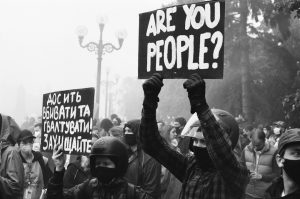

Activism is heart-work. It asks you to care deeply, to stay informed, to show up even when you’re tired or scared or grieving. It can be powerful and life-giving—and it can also be exhausting, overwhelming, and emotionally heavy.
If you’ve ever felt drained, numb, guilty for needing a break, or afraid you’re “not doing enough,” you’re not alone. Activism and advocacy, especially in times of crisis and constant bad news, can take a real toll on mental health.
This post is for you: the organizer, the advocate, the quiet supporter, the person who cares. You deserve care, too.
—
Why Mental Health in Activism Matters
Activism often operates in crisis mode: urgent campaigns, constant updates, rapid responses. Many activists live with a sense of responsibility—sometimes even moral pressure—to keep going no matter what. Over time, that can lead to:
– Chronic stress and anxiety
– Emotional exhaustion and numbness
– Cynicism or hopelessness
– Physical health problems (sleep issues, headaches, illness)
Taking care of your mental health isn’t selfish or a distraction from “real work.” It’s what allows you to keep showing up in a sustainable way. Burned-out people can’t build the world they’re fighting for.
You are not a machine. You are a human being.
—
Warning Signs of Burnout in Activism
Burnout doesn’t always arrive with a dramatic breakdown. Often it creeps in slowly. Noticing early signs can help you intervene before you hit a wall.
Watch for:
Emotional signs
– Feeling numb or disconnected from issues you care about
– Irritability, anger, or frustration at small things
– Persistent sadness or hopelessness
– Feeling guilty when you rest or step back
Cognitive signs
– Difficulty concentrating or making decisions
– Constant negative thoughts about the future
– Feeling like nothing you do matters
– Obsessive doomscrolling or inability to disengage from news
Behavioral signs
– Withdrawing from friends, family, or your community
– Losing interest in activities you once enjoyed
– Procrastinating on tasks you used to handle easily
– Overworking to the point of missing meals or sleep
Physical signs
– Exhaustion that doesn’t improve with rest
– Headaches, muscle tension, stomach issues
– Changes in sleep (insomnia, oversleeping)
– Increased use of substances to cope (alcohol, drugs, caffeine, etc.)
If you recognize yourself in these, it doesn’t mean you’re failing. It means your nervous system is trying to tell you: “I’m overwhelmed. I need care.”
—
Building Emotional Resilience (Without Numbing Out)
Emotional resilience isn’t about “toughening up” or caring less. It’s about staying connected to your values and feelings while also protecting your mental health.
1. Allow Yourself to Feel
Activism often involves grief, anger, fear, and disappointment. Pushing those feelings down doesn’t make them disappear; it just makes them harder to manage.
Try:
– Naming your emotions: “I’m feeling grief and anger right now.”
– Journaling: Write freely about what’s weighing on you. No need to be eloquent—just honest.
– Creative expression: Art, music, poetry, movement—anything that lets emotions move through your body.
Giving feelings a place to go can prevent them from building into overwhelm.
2. Set Emotional Boundaries with Information
Constant news exposure can amplify anxiety and despair. You’re allowed to limit how much you take in.
– Choose specific times of day to check news or social media.
– Follow trusted, curated sources rather than endless feeds.
– When you feel your body tightening or your mind spiraling, pause and ask: “Do I need more information right now, or do I need a break?”
Reducing exposure isn’t ignorance; it’s self-preservation.
3. Practice Self-Compassion
Activism culture can sometimes equate worth with productivity: how many protests you attend, how many calls you make, how many posts you share. That mindset is harmful.
Self-compassion sounds like:
– “I’m doing what I can with the resources I have.”
– “My limits are real and valid.”
– “Resting doesn’t make me less committed.”
Try talking to yourself the way you’d talk to a beloved friend who’s struggling. You deserve that same kindness.
—
Practical Self-Care Strategies for Activists
Self-care isn’t just bubble baths and candles (though those can help!). It’s a combination of daily habits, boundaries, and intentional rest.
1. Protect Your Basics
When the world feels like it’s on fire, basics can feel trivial. They’re not. They’re foundational.
– Sleep: Aim for a consistent sleep schedule. Even 30 minutes more sleep can change how you cope.
– Food: Regular meals, hydration, and something nourishing every day.
– Movement: Gentle stretching, walking, dancing—anything that helps your body release tension.
Think of these as “non-negotiable activism tools.” A rested, fed, and moved body can sustain more than an exhausted one.
2. Create “Off-Duty” Time
You’re allowed to have moments where you’re not “on” as an activist.
– Choose clear off-hours: evenings, one day a week, or specific blocks of time.
– During off-duty time, avoid activism tasks, news, and heavy conversations.
– Tell trusted friends or comrades: “I’m offline for a bit. I’ll be back [time/day].”
This doesn’t make you less committed. It helps you remain committed over the long term.
3. Use Micro-Breaks During Activist Work
You don’t have to wait for a full day off to rest.
– Between tasks, take 2–5 minutes to breathe, stretch, or look away from screens.
– After intense meetings or protests, schedule decompression time before diving into more work.
– Try the 20-20-20 rule: every 20 minutes, look at something 20 feet away for 20 seconds to reset your eyes and mind.
Small pauses can prevent cumulative overload.
4. Develop a “Grounding Toolkit”
When you feel overwhelmed, it helps to have a prepared set of grounding practices.
Examples:
– Breathing exercises: Inhale for 4, hold for 4, exhale for 6. Repeat 5–10 times.
– Sensory grounding: Name 5 things you can see, 4 you can touch, 3 you can hear, 2 you can smell, 1 you can taste.
– Comfort items: A soft blanket, a familiar scent, a favorite playlist, a calming podcast.
Keep your toolkit accessible (on your phone, in a bag, by your bed) so you don’t have to think about what to do in the moment.
—
Community Support: You Don’t Have to Hold Everything Alone
Activism is collective by nature. Mental health care can be, too.
1. Normalize Talking About Burnout
Within activist circles, make it okay to say:
– “I’m tired.”
– “I’m overwhelmed.”
– “I need a break.”
If you’re in a leadership role, model this openly. It gives others permission to honor their limits.
2. Share the Load
No one person can do everything. Sustainable activism means distributing tasks and rotating roles.
– Rotate high-intensity roles (media, crisis response, facilitation) so the same people aren’t always holding them.
– Create backup plans for when someone needs to step back.
– Check in regularly: “How’s your capacity this week?” and adjust expectations.
3. Build Care into Organizing Spaces
Care can be part of the structure, not an afterthought.
– Start meetings with a brief check-in: “How’s everyone doing?”
– End with a grounding exercise or a moment of gratitude.
– Make space for joy: shared meals, music, storytelling, celebration of wins.
A movement that only runs on urgency will burn out. A movement that includes care and joy can endure.
—
Staying Engaged Without Losing Yourself
You don’t have to choose between caring about the world and caring about yourself. You can do both, imperfectly and honestly.
1. Define Your Sustainable Role
Ask yourself:
– What forms of activism feel most sustainable for me right now?
– What do I need to let go of, even if I wish I could do more?
– How can I combine my skills, interests, and limits to contribute in a way that doesn’t break me?
Your role might change over time. That’s okay.
2. Practice “Enoughness”
There will always be more to do. The work is bigger than any individual. Let that be a reason to share responsibility, not a reason to punish yourself.
Try ending each day with:
– “Here is what I did today to align with my values.”
– “It was enough for today.”
– “Tomorrow, I can choose again.”
3. Allow Yourself to Step Back When Needed
Sometimes, the most radical act is to rest. Stepping back temporarily—or even long-term—from front-line activism doesn’t erase your values or your impact.
You’re allowed to:
– Take a break from protests and public actions
– Leave a group that’s harming your mental health
– Shift to quieter forms of support (donations, behind-the-scenes tasks, mutual aid, art)
Your worth and your political commitment are not measured by your output.
—
Helpful Resources (General Suggestions)
Availability varies by country and region, but here are types of resources to look for:
– Mental health hotlines and crisis services in your area
– Community mental health clinics or low-cost counseling services
– Peer support groups for activists, organizers, or people working in trauma-exposed fields
– Online therapy platforms (search for therapists experienced in trauma, burnout, or social justice work)
– Books and podcasts on trauma-informed activism, collective care, and resilience
If you’re feeling persistently hopeless, having thoughts of self-harm, or finding it hard to function day-to-day, please reach out for professional support. You deserve help that’s tailored to you.
—
You Deserve to Be Well
Your care for the world is precious. But your wellbeing is not a resource to be endlessly extracted for the cause. The future you’re fighting for—one with justice, dignity, safety, and care—includes you.
You are allowed to rest.
You are allowed to feel.
You are allowed to set boundaries.
You are allowed to still be an activist while taking care of yourself.
The work is long. We need you whole, not just productive.
Photo by Vitaly Gariev on Unsplash
Relacionado
Discover more from Fyra - Dating App for Progressives
Subscribe to get the latest posts sent to your email.