
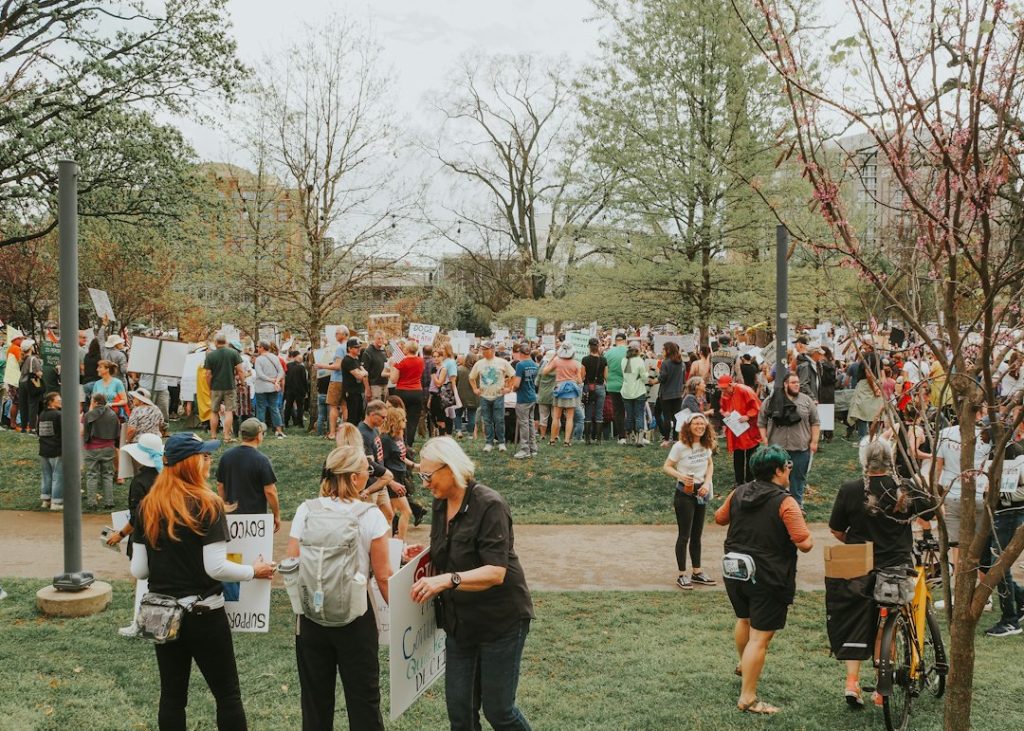
If you’ve been watching the news, scrolling social media, or just talking with friends, you’ve probably felt it: a mix of urgency and possibility. Climate disasters, attacks on civil rights, rising inequality—none of it is abstract anymore. But alongside the fear, there’s something else growing: communities organizing, mutual aid networks popping up, neighbors looking out for each other.
Progressive community work isn’t just protests and petitions. It’s food on tables, rides to the polls, after-school programs, tenant unions, harm reduction kits, and book clubs that turn into lifelong friendships. It’s people deciding that no one is disposable and that we’re stronger together than alone.
This post is a practical guide to getting involved—at whatever level you can—through local activism, community building, and progressive organizations. You don’t need to already be “plugged in.” You just need a willingness to show up.
—
Why Local, Progressive Community Work Matters
National politics gets the headlines, but local organizing shapes daily life:
– Whether your city funds police or mental health responders.
– Whether your school board bans books or expands inclusive curricula.
– Whether your town builds luxury condos or protects affordable housing.
– Whether your community responds to crises with punishment or support.
Progressive community work is about building a world where everyone has what they need to live with dignity—especially those most harmed by existing systems. That means centering racial justice, gender justice, disability justice, economic justice, climate justice, and more.
The good news: you don’t have to do everything. You just have to do something, alongside others.
—
Step 1: Clarify Your Values and Capacity
Before you dive in, take a moment to ground yourself.
Ask yourself:
– What issues move me most?
Examples: climate, racial justice, LGBTQ+ rights, reproductive freedom, immigrant justice, housing, labor, disability rights, prison abolition, education, healthcare, mutual aid.
– What do I have to give right now?
– Time (occasional or regular)
– Skills (writing, organizing, tech, art, childcare, translation, legal knowledge, etc.)
– Money (small recurring donations count)
– Space (a living room for meetings, a car for rides)
– Social capital (networks, relationships, influence)
– What’s realistic for me?
– Low commitment: occasional events, small donations, online support.
– Medium commitment: monthly meetings, regular volunteering.
– High commitment: leadership roles, organizing campaigns, starting projects.
You’re not a bad activist if you can’t attend every march or meeting. Sustainable involvement beats burnout.
—
Step 2: Find Progressive Groups Near You
You don’t need to start from scratch—chances are, people are already organizing where you live.
Where to Look
1. Local directories and search tools
Try searching:
– “[Your city] mutual aid network”
– “[Your city] tenants union”
– “[Your city] racial justice organization”
– “[Your state] abortion fund”
– “Democratic Socialists [your city]”
– “LGBTQ center [your city]”
Check:
– Local library and community center bulletin boards
– University or college student organizations
– City or county volunteer portals
– Meetup.com and Eventbrite (search terms like “social justice,” “climate justice,” “progressive”)
2. National orgs with local chapters
Many national progressive organizations have local branches:
– ACLU – civil liberties and civil rights
– NAACP – racial justice
– Planned Parenthood / local abortion funds – reproductive justice
– Black Lives Matter chapters – racial and police accountability work
– Democratic Socialists of America (DSA) – economic and social justice
– Sunrise Movement / 350.org / Sierra Club – climate justice
– Indivisible – local political advocacy
– Food Not Bombs – mutual aid and food justice
– LGBTQ centers and PFLAG – queer and trans support and advocacy
Check their websites for “find a chapter” or “get involved” pages.
3. Social media
Use hashtags and location filters:
– #mutualaid + your city
– #BLM + your city
– #climatejustice + your state
Follow local journalists, organizers, and community centers—they often share events and calls to action.
—
Step 3: Ways to Get Involved (Low to High Commitment)
Low-Commitment, High-Impact Options
These are great if you’re busy, anxious about jumping in, or just starting out.
1. Show up to a single event
– Attend a town hall, teach-in, or community forum.
– Join a march, rally, or vigil.
– Go to a book talk or film screening hosted by a progressive group.
You don’t have to speak or lead—just being there matters. You’ll meet people, see what resonates, and get a feel for the local landscape.
2. Donate—especially locally
Even $5–$10 recurring monthly donations help groups budget and plan. Prioritize:
– Mutual aid funds
– Bail funds
– Abortion funds
– Grassroots organizations led by Black, Indigenous, and other people of color
– Trans and queer support organizations
– Local shelters, food banks, and harm reduction groups
If you can’t give money, you might be able to:
– Donate supplies (hygiene products, school supplies, winter gear)
– Offer professional skills (legal, accounting, design, translation)
3. Use your online presence
– Share local campaigns and events.
– Amplify fundraisers from marginalized community members.
– Follow and boost voices from impacted communities.
– Join email lists and text alerts from organizations you care about.
– Write or call local officials about specific issues (many orgs provide scripts and tools).
—
Medium-Commitment: Building Community and Consistency
Once you’re ready to go deeper, focus on relationships and regular practice.
1. Join a working group or committee
Most organizations have smaller teams focused on specific work:
– Electoral work (phonebanking, canvassing, voter registration)
– Mutual aid (grocery deliveries, community fridges, rides)
– Policy campaigns (housing rights, police accountability)
– Communications (social media, newsletters)
– Political education (reading groups, workshops)
You might commit to:
– 1–2 meetings per month
– A specific role (note-taker, facilitator, outreach lead)
– A particular project (e.g., organizing a know-your-rights training)
2. Volunteer regularly
Examples:
– Weekly shift at a food bank or community kitchen
– Monthly shift at an abortion fund hotline
– Regular childcare at meetings so parents can participate
– Tutoring or mentoring programs
– Support at a day shelter or drop-in center
Consistency builds trust and relationships—and you’ll learn a lot about your community’s needs.
3. Join or start a political education space
Understanding systems makes action more strategic. Options:
– Reading groups on topics like abolition, labor history, disability justice, or climate justice
– Community history projects (oral histories, zine-making, local archives)
– Workshops on topics like “How City Budgets Work” or “Tenant Rights 101”
These spaces can be hybrid (online + in-person) and are often low-pressure entries into deeper organizing.
—
High-Commitment: Organizing and Leadership
If you have more time, energy, or experience, you can move into roles that shape strategy and structure.
1. Organize a campaign
Examples:
– Push your city to fund mental health responders instead of expanding police budgets.
– Support a union drive at your workplace.
– Organize tenants in your building to demand repairs or fight rent hikes.
– Run a local campaign for school board, city council, or ballot measures.
You’ll likely:
– Build a core team
– Map power (who makes decisions, who influences them)
– Plan actions (rallies, petitions, phone zaps, public comment)
– Develop leadership in others
2. Take on organizational roles
– Facilitation and meeting design
– Conflict mediation or restorative justice circles
– Treasurer or fundraising coordinator
– Volunteer coordinator
– Tech/communications infrastructure (websites, CRMs, messaging tools)
Leadership isn’t about ego; it’s about creating conditions where more people can participate meaningfully.
—
Making It Accessible and Sustainable
Progressive community work should reflect the world we’re trying to build: accessible, caring, and inclusive.
1. Practice accessibility
– Choose meeting spaces that are wheelchair accessible and near public transit.
– Offer hybrid options (Zoom + in-person) when possible.
– Provide childcare or kid-friendly spaces.
– Share agendas and materials in advance.
– Use plain language and avoid unnecessary jargon.
– Ask what people need, and believe them.
2. Center care and boundaries
– Normalize people stepping back when they’re overwhelmed.
– Rotate responsibilities so no one burns out.
– Build in social time—potlucks, game nights, walks.
– Create clear conflict resolution processes.
– Celebrate wins, even small ones.
Remember: this is long-term work. We need people who can stay in it for years, not just moments.
—
Tips for Getting Started This Month
To make this concrete, here’s a simple 4-week plan you can adapt:
Week 1: Explore
– Spend 30–60 minutes searching for local groups and events.
– Follow 5–10 local orgs or activists on social media.
– Sign up for 2–3 email lists.
Week 2: Show Up Once
– Attend one event (online or in-person): a meeting, training, or forum.
– Introduce yourself to at least one person and mention you’re new.
Week 3: Commit Small
– Sign up for a single volunteer shift or action.
– Set up a small recurring donation if you can ($5–$15/month).
– Share one local campaign with friends or family.
Week 4: Reflect and Deepen
– Ask yourself what felt meaningful and what felt draining.
– Decide on one ongoing commitment for the next 3 months (e.g., monthly meeting, regular donation, or recurring volunteer shift).
—
Remember: You’re Not Alone
The challenges we face—climate collapse, white supremacy, patriarchy, capitalism, ableism, transphobia—are huge. None of us can solve them alone. But none of us are supposed to.
Progressive community work is about collective action: people coming together, building power, and taking care of each other. You are not late. You are not unqualified. You are not too shy or too busy to matter. There is a place for you.
Start small. Start local. Start with others. And keep going.
Photo by Barbara Burgess on Unsplash
Relacionado
Discover more from Fyra - Dating App for Progressives
Subscribe to get the latest posts sent to your email.