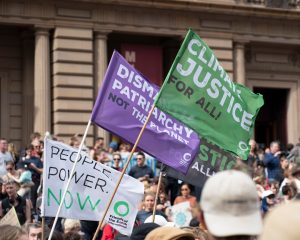

Dating Tips for Progressives: How to Find Love Without Compromising Your Values
If you’re progressive, dating can feel like navigating a minefield. You’re not just looking for someone cute and kind—you’re also thinking about consent, power dynamics, emotional labor, climate anxiety, systemic injustice, and whether they recycle or call their senator.
It’s a lot.
The good news: you don’t have to choose between romance and your values. You can date in a way that feels ethical, grounded, and genuinely you. Here’s how to approach modern dating as a progressive—without burning out or giving up.
—
1. Start With Your Core Values (And Be Honest About Them)
Before you worry about finding “like-minded” people, get clear on what actually matters most to you.
Ask yourself:
– What issues or principles are non-negotiable for me?
– Where am I willing to compromise—and where am I not?
– How do I want my partner to show up in the world?
Examples of non-negotiables might be:
– Belief in bodily autonomy and LGBTQ+ rights
– Support for racial justice and anti-racism
– A commitment to consent and mutual respect
– Basic alignment on feminism and gender equality
You don’t need identical opinions on every policy, but you do need shared values. For instance:
– You might not care if they vote for a different progressive candidate in the primary—but you might care a lot if they think voting doesn’t matter at all.
– You might be okay if they’re still learning about certain issues—but not if they dismiss or mock your concerns.
Action step:
Write down your top 5 values in relationships. Examples:
– Mutual respect
– Kindness in conflict
– Equity in household labor
– Emotional accountability
– Social responsibility
Use these as your internal compass when you’re swiping, chatting, or deciding whether to go on a second date.
—
2. Signal Your Values Early (Without Writing a Manifesto)
You don’t need to write a 2,000-word political essay in your dating profile, but you can signal who you are so you attract more aligned people and filter out the worst mismatches.
On dating apps
Profile ideas:
– “Feminist, union supporter, and chronic petition signer. Looking for someone who believes everyone deserves dignity.”
– “If you’re anti-trans, anti-choice, or anti-vote, we won’t vibe.”
– “Into mutual aid, organizing, and bad puns. Let’s talk about our favorite community projects.”
Photos that signal your values:
– At a march or rally (if you’re comfortable with that being public)
– Volunteering, canvassing, or at a community event
– Reading or sharing books that reflect your politics
Action step:
Add 1–2 lines to your profile that clearly (but casually) reflect your values. Think: “Tell me your favorite social justice org” or “Looking for someone who believes in therapy, consent, and composting.”
—
3. Where to Find Like-Minded People (Beyond Dating Apps)
Apps can work, but they aren’t the only option—especially if you want people actively engaged in progressive spaces.
Try:
– Local organizing or activist groups: Climate justice, tenants’ rights, reproductive justice, mutual aid networks, union organizing. Even if you don’t meet someone to date, you’ll meet people who can connect you.
– Political or advocacy events: Town halls, campaign launches, community forums, book talks, teach-ins.
– Skill-based spaces with progressive vibes: Community art spaces, co-ops, worker-owned cafes, progressive faith communities, community gardens.
– Online communities: Discord servers, subreddit communities, or progressive-focused meetups that sometimes translate into offline connections.
Important:
Don’t treat organizing spaces as your personal dating pool. Lead with the work, not your romantic agenda. If something develops organically, great. If not, you’re still contributing to something you care about.
—
4. Talk About Politics and Values—But Don’t Turn Every Date Into a Debate
If your values matter, you should talk about them—but in a way that invites conversation, not combat.
Early questions that reveal values
Instead of “Who did you vote for?” try:
– “What issues do you care about most?”
– “How do you like to stay engaged or informed?”
– “What’s something you’ve changed your mind about in the last few years?”
– “How do you think about fairness in relationships?”
These questions reveal:
– Whether they’re reflective
– How they handle being wrong or learning
– How they think about responsibility, empathy, and justice
Watch for red flags:
– Dismissing your concerns as “too political” or “dramatic”
– Mocking pronouns, social movements, or marginalized groups
– Calling everything “cancel culture” any time accountability comes up
– Saying “I don’t do politics” while benefiting from the status quo
Action step:
In your next conversation with a potential partner, ask one open-ended values question. Notice not just what they say, but how they say it: Do they listen, reflect, and ask you questions back?
—
5. Practice Consent and Communication as Core Values, Not Buzzwords
Progressive values aren’t just about what you post or vote for—they’re about how you treat people in everyday interactions.
Consent as a continuous practice
– Ask before you touch, kiss, or escalate physically: “Can I kiss you?” is still hot.
– Check in as things progress: “Is this still okay?” “Do you want to keep going?”
– Normalize “no” as a healthy answer, not a personal rejection.
Emotional and relational consent
Consent isn’t just physical. It’s also:
– “Are you okay talking about something heavy right now?”
– “Is it okay if I vent about work, or do you need some space first?”
– “I’m not looking for something serious right now—is that aligned with what you want?”
Action step:
On your next date, explicitly ask for consent at least once—whether it’s for a hug, a topic, or a next date. Make it normal and natural: “Can I hold your hand?” “Want to talk about something a bit heavier?”
—
6. Share the Emotional Labor (And Talk About It)
Many progressives understand concepts like emotional labor, invisible work, and gendered expectations. Dating is a great place to actually practice those ideas.
Concrete ways to share labor:
– Take turns initiating plans and following up.
– If one person cooks, the other cleans.
– Don’t rely on the more “emotionally skilled” person to always check in, name feelings, or repair conflicts.
– If you’re a man dating women or non-men, be especially mindful of not defaulting to old patterns where she organizes everything, remembers all the details, and manages the emotional climate.
Action step:
Ask: “Do you feel like our effort is balanced? Is there anything I could do more of to make this feel more equitable?” Then listen without defensiveness.
—
7. Navigating Differences Without Losing Yourself
Even among progressives, you’ll disagree on strategies, priorities, and tactics. That’s okay. The question is: can you disagree respectfully and still feel safe and heard?
Healthy disagreement looks like:
– “I see it differently, but I want to understand how you came to that view.”
– “Can we pause this? I’m feeling a bit activated and don’t want to say something reactive.”
– “We might not fully agree, but we share the goal of more justice and care.”
Unhealthy disagreement:
– Personal attacks or character judgments
– “You’re ridiculous if you believe that.”
– Using “woke” or “SJW” as insults
– Weaponizing therapy language (“You’re just projecting” / “That’s your trauma talking”) to shut someone down
Action step:
When a disagreement comes up, try: “Can we slow down and talk about what this brings up for each of us?” Focus on feelings and values, not just being right.
—
8. Boundaries, Burnout, and Dating in a Messy World
Progressives are often deeply aware of systemic harm, climate anxiety, and political crises. That awareness can bleed into dating and relationships.
You might:
– Feel guilty for focusing on your love life while the world is on fire
– Over-identify with “fixing” partners who are struggling
– Stay in misaligned relationships because you share a cause or movement
It’s okay to:
– Want joy, love, and intimacy even in hard times
– Have boundaries around how much activism talk you want in your romantic life
– Walk away from someone who is “politically perfect” but emotionally unavailable or unkind
You don’t owe anyone romantic energy just because they’re “on the right side.”
Action step:
Set one clear boundary for yourself, like: “I won’t date someone who routinely disrespects my pronouns, politics, or emotional needs, no matter how aligned we are on paper.”
—
9. Be Open to Growth—In Yourself and Others
Progressive values include learning, unlearning, and growth. You might meet someone who isn’t fully aligned yet but is genuinely curious, accountable, and willing to learn.
Look for:
– “I didn’t know that. Thanks for telling me.”
– “I messed up there. I’m sorry. I’ll do better.”
– “Can you recommend something I can read or watch to understand this better?”
But remember: it’s not your job to be someone’s unpaid educator. You can share resources and experiences, but you don’t have to stay if it’s draining or harmful.
—
Final Thoughts: You Deserve Values-Aligned Love
You don’t need to be perfect, read every theory book, or attend every protest to be a “good progressive dater.” You just need to:
– Know your values
– Communicate them clearly
– Treat people with respect and care
– Practice consent, equity, and accountability in your actual behavior
Progressive dating isn’t about finding someone who agrees with you on every issue; it’s about building a relationship where both people are committed to growth, justice, and mutual respect—on the street and at home.
Use your values as your guide, not a weapon. Stay curious. Stay kind. And remember: wanting love and connection isn’t a distraction from the movement—it’s part of the world you’re trying to build.
Photo by Jonathan Borba on Unsplash
Relacionado
Discover more from Fyra - Dating App for Progressives
Subscribe to get the latest posts sent to your email.