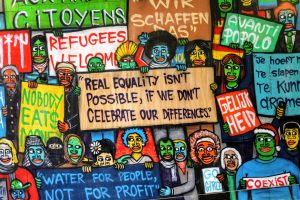

Activism is an act of courage and care. It springs from love—for people, for justice, for the planet. But that same love can make it deeply exhausting. When you’re constantly confronting injustice, absorbing painful stories, or fighting systems that feel unmovable, your mind, body, and spirit can pay a high price.
If you’ve ever felt drained, hopeless, or guilty for needing a break, you’re not alone. Activist burnout is real, and it’s common. Taking care of your mental health isn’t selfish or optional—it’s part of sustainable activism.
This post will explore how to prevent burnout, build emotional resilience, lean on community, and stay engaged in ways that are sustainable for the long haul.
—
Understanding Activist Burnout
Burnout is more than “being tired.” It’s a state of emotional, physical, and mental exhaustion caused by prolonged stress and overwork—especially when it feels like your efforts aren’t making enough difference.
In activism, burnout often comes from:
– Constant exposure to trauma and injustice
– High expectations of yourself and others
– Pressure to “do more” all the time
– Feeling responsible for outcomes beyond your control
– Lack of rest, boundaries, or support
Warning Signs of Burnout
Burnout can creep up slowly. Some common signs include:
Emotional signs
– Feeling numb, detached, or hopeless about the cause
– Increasing irritability, anger, or cynicism
– Feeling guilty when you rest or say no
– Loss of motivation or passion for work that once mattered deeply
Physical signs
– Chronic fatigue or difficulty sleeping
– Headaches, stomach issues, or frequent illness
– Changes in appetite or weight
– Tension in your body (jaw, shoulders, back)
Behavioral signs
– Withdrawing from friends, family, or your activist community
– Procrastination or difficulty focusing
– Overworking to the point of neglecting basic needs
– Using substances, food, or social media to numb out
If you recognize yourself in these signs, nothing is “wrong” with you. You’re a human being carrying a heavy load in a difficult world. Burnout is a signal, not a failure. It’s your mind and body asking for care.
—
Emotional Resilience: Staying Soft Without Breaking
Emotional resilience doesn’t mean being tough or unaffected. It’s the ability to stay connected, caring, and present—even in the face of stress—without collapsing or shutting down.
1. Allow Yourself to Feel
Activism often brings grief, anger, fear, and frustration. Suppressing those feelings can lead to emotional numbness and burnout.
Try:
– Naming your feelings: “I’m feeling overwhelmed and scared right now.”
– Giving yourself permission: “It makes sense that I feel this way. Anyone in my position might.”
– Creating safe spaces to feel: Talking with trusted friends, journaling, or working with a therapist.
Feeling your emotions doesn’t make you weaker. It helps them move through you instead of building up.
2. Set Boundaries Around Exposure
Constantly consuming news, videos, and stories of harm can overload your nervous system.
Consider:
– Limiting news and social media to specific times of day
– Choosing to skip graphic content when you can
– Muting or unfollowing accounts that leave you feeling constantly distressed
– Balancing “bad news” with stories of resistance, joy, and progress
You can stay informed without sacrificing your mental health.
3. Practice Self-Compassion
Many activists are harsh with themselves: “I’m not doing enough. I should be stronger. I shouldn’t need rest.”
Self-compassion means treating yourself with the same kindness you’d offer a friend.
Try:
– Replacing self-criticism with understanding: “I’m doing what I can with the energy and resources I have.”
– Recognizing your humanity: “No one person can fix everything. I am allowed to be limited.”
– Offering gentle encouragement instead of pressure: “I’m proud of what I’ve done today, even if it wasn’t everything.”
—
Practical Self-Care Strategies for Activists
Self-care isn’t just bubble baths and candles. It’s the daily practices that keep you grounded, functional, and connected to yourself and others. It’s also deeply political: caring for yourself in a system that profits from your exhaustion is an act of resistance.
1. Basic Needs First
It sounds simple, but in times of intense organizing, the basics are often the first to go.
Check in:
– Sleep: Aim for consistent sleep schedules when possible.
– Food: Eat regularly; keep easy, nourishing snacks on hand.
– Movement: Gentle stretching, walking, or dancing can help discharge stress.
– Hydration: Keep water nearby during meetings, protests, or long work sessions.
These basics are not trivial. They are the foundation of your capacity to show up.
2. Rest as a Practice, Not a Reward
Rest isn’t something you “earn” after doing enough. It’s something you need in order to keep going.
Ideas:
– Schedule rest like you schedule meetings or protests.
– Build in “offline” hours each day where you’re not responding to messages.
– Take one day a week (or a few hours) where you intentionally step back from activism-related tasks.
– Practice “micro-rests”: a 5-minute break to breathe, stretch, or step outside.
If resting brings up guilt, notice that gently. Ask: “Who benefits when I believe I’m not allowed to rest?”
3. Grounding and Regulation
When activism puts you in high-stress situations, your nervous system can stay stuck in “fight, flight, or freeze.”
Try simple grounding exercises:
– 5–4–3–2–1: Name 5 things you can see, 4 you can feel, 3 you can hear, 2 you can smell, 1 you can taste.
– Breathing: Inhale for 4 counts, hold for 4, exhale for 6–8. Repeat a few times.
– Body scan: Slowly notice each part of your body and gently release any tension.
Doing these regularly—not just in crisis—can increase your capacity to handle stress.
4. Creative and Joyful Outlets
Joy is not a distraction from activism; it’s fuel for it.
Consider:
– Art, music, writing, or crafting
– Spending time in nature
– Laughing with friends
– Reading or watching something that makes you feel hopeful or inspired
Joy reminds you of the world you’re trying to build.
—
Community Support and Collective Care
Activism is not meant to be done alone. Isolation makes burnout more likely; community makes resilience possible.
1. Share the Load
Ask:
– Are the same people always doing the emotional labor, logistics, or organizing?
– Are there tasks that can be rotated or delegated?
– Is your group open to conversations about capacity and workload?
Some practical steps:
– Create shared calendars and clear roles.
– Normalize checking in: “What’s your capacity this week?”
– Encourage people to take breaks without judgment.
2. Build a Culture of Care
Movements are stronger when they prioritize care alongside strategy.
Ideas:
– Start meetings with a quick emotional check-in.
– Include time for reflection after intense actions or events.
– Create a “care team” focused on supporting members’ well-being.
– Normalize talking about mental health, therapy, and burnout.
Care shouldn’t fall on one person; it’s a shared responsibility.
3. Find or Create Support Spaces
Beyond your organizing group, it can help to have spaces where you can be honest about your feelings without worrying about being “on.”
Options:
– Peer support circles or affinity groups
– Online communities for activists focused on mental health
– Support groups for specific identities or causes
– One-on-one friendships where you can vent and be vulnerable
You deserve spaces where you’re valued for who you are, not just what you do.
—
Sustainable Activism: Staying Engaged Without Losing Yourself
Sustainable activism is about pacing, not perfection. It’s recognizing that the work will be ongoing—possibly for years or decades—and you need to survive it.
1. Redefine “Enough”
Ask yourself:
– What does “doing enough” mean to me?
– Is that definition realistic or rooted in perfectionism?
– How can I define “enough” in a way that honors my limits?
You might decide:
– “Enough” means contributing a few hours a week.
– “Enough” means focusing on one or two issues deeply instead of trying to hold them all.
– “Enough” means taking breaks when needed and trusting others to carry the work sometimes.
2. Align Your Activism with Your Strengths
You don’t have to do everything. You can choose what fits your skills, personality, and capacity.
Examples:
– If you’re introverted, maybe you focus on research, writing, or behind-the-scenes logistics.
– If you’re a good listener, you might help with conflict resolution, mediation, or peer support.
– If you’re creative, you might design posters, zines, or social media content.
Doing what you’re good at (and enjoy) can reduce burnout and increase impact.
3. Accept That You Can’t Do It All
This is one of the hardest truths: you cannot fix everything, and you are not responsible for everything that is broken.
You can:
– Play your part.
– Support others playing theirs.
– Trust that movements are made of many people, across time and place.
Your worth is not measured by how much you sacrifice.
—
When to Seek Professional Help
Activism can intensify existing mental health struggles or bring new ones to the surface. Seeking help is a sign of strength, not weakness.
Consider reaching out to a mental health professional if:
– Your mood is consistently low or anxious for weeks.
– You’re having trouble functioning in daily life.
– You’re using substances or self-harm to cope.
– You’re having thoughts of hopelessness or not wanting to be alive.
Look for:
– Therapists who are trauma-informed and socially aware.
– Sliding-scale or low-cost counseling services.
– Community mental health centers or nonprofit organizations.
– Online therapy platforms, if in-person options are limited.
Some directories (availability varies by region):
– Inclusive Therapists
– Therapy for Black Girls / Therapy for Black Men
– National or local psychological associations’ referral services
– University counseling centers (often lower-cost)
—
You Deserve Care, Too
You are not a machine built to produce change. You are a whole person—with needs, limits, and a nervous system that can only hold so much.
Your rest is not a betrayal of the movement.
Your boundaries are not evidence of apathy.
Your joy is not frivolous.
Your healing matters.
The world you’re fighting for—a world with more justice, care, and dignity—includes you. You deserve the same compassion, safety, and rest that you want for others.
If all you can do today is breathe, drink some water, and remember that you’re not alone, that is enough.
You are allowed to take care of yourself and still be an activist. In fact, that might be the most radical thing you can do.
Photo by Vitaly Gariev on Unsplash
Relacionado
Discover more from Fyra - Dating App for Progressives
Subscribe to get the latest posts sent to your email.