Why Progressive Community Events Matter for Your Dating Life (and Beyond)
If you’re looking for connection that goes deeper than “What’s your favorite Netflix show?”, progressive community events can be a game-changer. Whether you’re passionate about climate justice, mutual aid, queer liberation, racial equity, or all of the above, getting involved is one of the most powerful ways to meet people who share your values—and to help create the world you want to date in.
Community spaces are where friendships, romances, and chosen families often begin. They’re also where we practice listening, empathy, collaboration, and accountability—the same skills that make healthy relationships possible. The good news: you don’t have to be an expert organizer or a full-time activist to show up. There’s a place for every energy level, schedule, and comfort zone.
Types of Progressive Community Events to Explore
Progressive communities are diverse, and so are the spaces they create. You don’t have to jump straight into a protest march if that’s not your vibe—there are many ways to plug in.
-
Educational Events & Teach-Ins
These might include workshops on anti-racism, climate justice webinars, book talks with organizers, or trainings on topics like bystander intervention or digital security. They’re great for:
- Meeting people who value learning and growth
- Building shared language around justice and equity
- Getting grounded before jumping into direct action
-
Mutual Aid & Volunteer Opportunities
Mutual aid projects focus on communities taking care of one another—think community fridges, free stores, ride shares, childcare swaps, or fundraising for neighbors in crisis. Volunteering might also look like:
- Helping at a food pantry or community kitchen
- Supporting a housing justice or tenants’ union event
- Assisting at a clothing swap or hygiene supply drive
These spaces attract people who care about tangible, everyday solidarity—a great foundation for any relationship.
-
Social & Creative Gatherings
Not everything has to be a meeting. Many progressive groups host:
- Queer and trans game nights or movie screenings
- Poetry slams, open mics, and art builds for campaigns
- Skill shares (zine-making, bike repair, herbalism, etc.)
These events are low-pressure spaces to meet people, flirt a little if it feels right, and enjoy community joy.
-
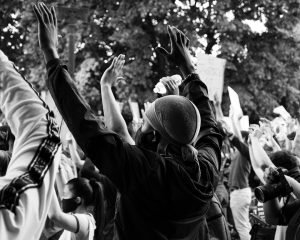
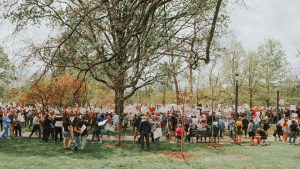
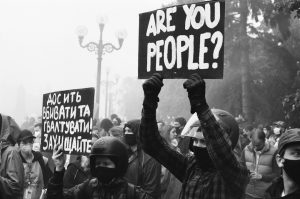
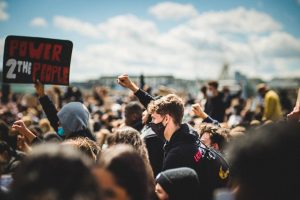
Rallies, Marches, and Direct Action
Protests, marches, and other forms of direct action are key tools for social change. They can be:
- Large public demonstrations for climate, racial, gender, or disability justice
- Smaller local actions, like a rally at city hall or a teach-in outside a public building
- Organized campaigns for voting rights, reproductive freedom, or labor solidarity
These spaces can be intense but powerful. If you attend with a friend, date, or partner, they can deepen trust and shared purpose.
-
Support Groups & Affinity Spaces
Many communities host identity-based or issue-based spaces, such as:
- Queer and trans support circles
- Spaces for people of color, disabled folks, survivors, or caregivers
- Men’s or masc groups focused on unlearning patriarchy
These can be powerful places for healing and connection. They may not be appropriate for “dating scouting,” but they can absolutely enrich your emotional life and relational skills.
How to Find Local (and Online) Progressive Events
You don’t need insider connections to find your people. A mix of online tools and local networks can open a lot of doors.
-
Event Platforms
- Meetup: Search for groups using keywords like “social justice,” “mutual aid,” “LGBTQ+,” “feminist,” “climate action,” or “community organizing.”
- Eventbrite: Filter by your city and interests—look for panels, workshops, and community fundraisers.
- Facebook Events (if you use it): Many grassroots groups still rely on it for event promotion.
-
Local Organizations & Community Hubs
- Check the websites and social media of local nonprofits, mutual aid collectives, and advocacy orgs.
- Look at community centers, LGBTQ+ centers, student groups, and faith communities with social justice commitments.
- Browse your city’s independent bookstores, co-ops, and cafes—many have bulletin boards or newsletters.
-
Campus & Workplace Networks
- Universities often host public lectures, film screenings, and teach-ins.
- Some workplaces have employee resource groups focused on diversity, equity, and inclusion that host events open to guests.
-
Online-First Communities
- Virtual reading groups, political education series, and online conferences.
- Discord servers or Slack communities for specific issues or identities.
- Livestreamed panels hosted by national organizations or grassroots coalitions.
Online spaces are especially helpful if you live in a smaller town, have limited mobility, or prefer to start with lower-stakes engagement.
-
Ask Around (Including on Dating Apps)
- Mention in your dating profile that you’re interested in mutual aid, organizing, or community events.
- Ask matches: “Know any good community events or orgs in the area?”—it’s a built-in conversation starter.
- Talk to friends, neighbors, and coworkers; a surprising number of people are quietly involved in local efforts.
Community Building as Relationship Practice
Showing up for progressive community events isn’t just about “doing good.” It’s also a way to practice the skills that make relationships strong.
-
Shared Values in Action
It’s one thing to say you care about justice; it’s another to show up, listen, and contribute. Being in spaces where people act on their values helps you:
- Clarify what matters to you beyond labels or aesthetics
- Notice how potential partners treat others, especially those with less power
- See how you feel when you’re part of something bigger than yourself
-
Communication & Conflict Skills
Community organizing involves navigating disagreements, giving and receiving feedback, and owning mistakes—essential relationship skills. Practicing them in a group context can:
- Make you more comfortable with honest conversations
- Help you learn to apologize and repair when you misstep
- Teach you to hold boundaries and respect others’ limits
-
Interdependence, Not Isolation
Progressive communities emphasize interdependence—recognizing that we need each other. That mindset:
- Helps prevent putting all your emotional needs on one partner
- Encourages building a network of care: friends, neighbors, comrades
- Creates a richer, more resilient life for you and anyone you date
Tips for First-Timers (Introvert-Friendly, Too)
Starting something new can be intimidating, especially if you’re worried about “not knowing enough” or being the awkward new person. You’re not alone—most people in the room felt that way at some point.
-
Start with Your Capacity
- Be honest about your energy level: you don’t have to sign up for everything.
- Shorter events (like a 1–2 hour workshop or social) can be easier than all-day gatherings.
- Online events can be a great first step; you can listen, learn, and participate in the chat.
-
Go with a Buddy (or Meet One There)
- Ask a friend or date to come along if that feels supportive.
- If you’re going solo, look for events that mention “newcomer-friendly” or “orientation included.”
- When you arrive, you can say: “Hi, I’m new here—any tips for getting involved?” Most organizers love welcoming new folks.
-
Respect the Space
- Read the event description and any community agreements.
- Follow accessibility and COVID-related guidelines; masking or testing may still be requested in some spaces.
- Be mindful about turning events into “dating spaces”—flirt only if it feels welcome and appropriate. People are there to build community first.
-
Prepare a Few Conversation Starters
- “How did you get involved with this group?”
- “What other community events do you like around here?”
- “I’m trying to learn more about [issue]. Any resources you recommend?”
These questions work whether you’re looking for friends, collaborators, or potential dates.
-
Give Yourself Permission to Leave
- If you’re overwhelmed, it’s okay to step outside or head home.
- You don’t have to “earn” your spot by staying until the end.
- Reflect afterward: What felt good? What didn’t? What might you try next time?
Blending Online and In-Person Community in Your Life
You don’t have to choose between online and in-person spaces—most people benefit from a mix.
-
Online Spaces Are Great For:
- Learning and listening before you speak up
- Connecting across geography, disability, or scheduling barriers
- Finding niche communities (e.g., queer climate organizers, disabled mutual aid networks, polyam community education groups)
-
In-Person Spaces Are Great For:
- Building trust through repeated, face-to-face interactions
- Sharing food, art, and physical space
- Doing hands-on work: gardening, packing supplies, canvassing, marching
If you’re using a progressive dating app, you can even integrate community events into your dating life. Suggest a low-pressure, values-aligned activity as a date idea:
- “Want to check out this community garden workday and then grab coffee?”
- “There’s a queer film screening fundraiser this weekend—interested?”
- “I found a mutual aid packing event; we could go together if you’re into it.”
That way, you’re not just swiping—you’re building connections rooted in care, curiosity, and shared commitment.
However you choose to show up—online, in person, often, or occasionally—you’re part of something bigger. Progressive community events aren’t just another thing on your calendar. They’re a way to practice the kind of world, and the kind of relationships, you want to live in.
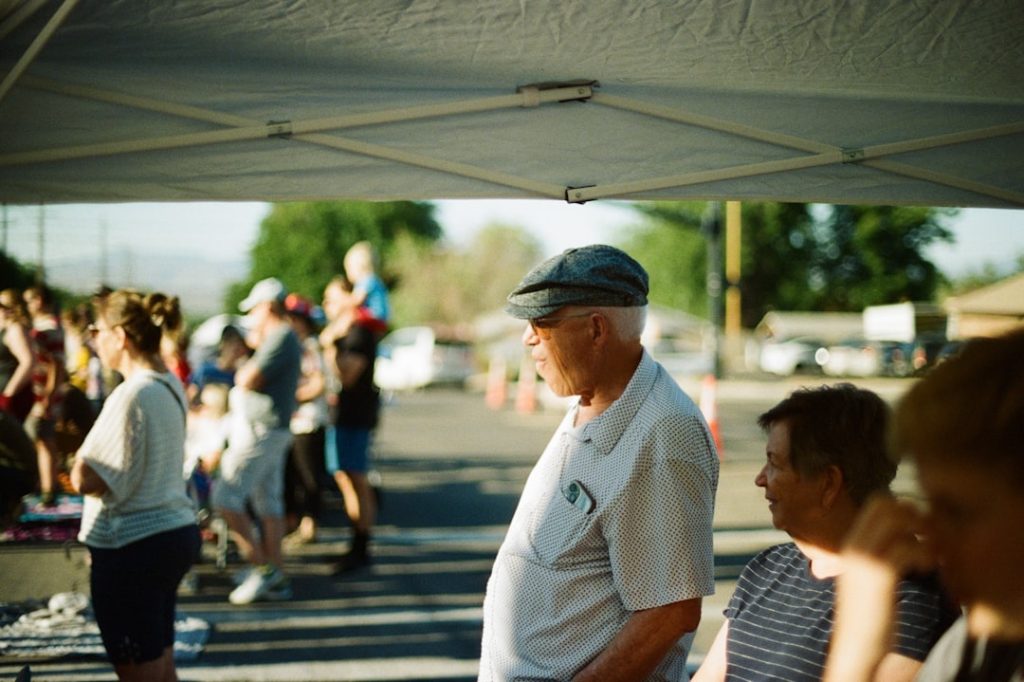
Photo by Spencer Plouzek on Unsplash
Stay Connected with Flamr
Don’t forget to follow Flamr on social media!
Relacionado
Discover more from Fyra - Dating App for Progressives
Subscribe to get the latest posts sent to your email.