Love in a Warming World: Dating in the Age of Climate Justice
If you’ve been on a date in the last few years, there’s a good chance climate came up somewhere between “What do you do?” and “So, what are you looking for?” Maybe it was a passing comment about wildfires, a joke about the heat, or a passionate rant about fossil fuel companies. Climate change has moved from background noise to the emotional soundtrack of our lives—and that includes our romantic lives.
On a progressive dating app, climate justice isn’t just a “cause” you might list on your profile; it’s often part of how you understand yourself, your values, and your future. Who we match with, what we dream about, and even whether we want children are increasingly shaped by the realities of a warming world. The question isn’t just “Who do I love?” but “What kind of world are we building together?”
From “Environmentalist” to Climate Justice
For decades, environmentalism was often framed as a lifestyle choice: recycle more, drive less, buy green. It was frequently dominated by white, wealthier voices and focused on “saving nature” in ways that sometimes ignored the people most harmed by pollution and climate disasters—Black, Brown, Indigenous, low-income, disabled, and frontline communities.
Climate justice shifts the focus. It says: the climate crisis is not just about melting ice caps; it’s about power, inequality, and whose lives are considered expendable. Historically, redlined neighborhoods were more likely to be built near highways and industrial zones, leading to higher asthma rates and heat exposure. Indigenous communities have had their land stolen and poisoned by extractive industries. Small island nations and countries in the Global South—who contributed the least to the crisis—face rising seas, deadly heat, and economic devastation.
Climate justice connects the dots:
- Between fossil fuel extraction and stolen land
- Between heat waves and housing insecurity
- Between “natural disasters” and political choices about who gets protected and who doesn’t
This perspective has grown stronger over the last decade, pushed forward by youth-led movements, Indigenous organizers, and communities that have long lived at the sharp edge of environmental harm. It’s no longer just “environmentalism”; it’s a demand for a livable, just future—for everyone.
Dating Under the Shadow of the Climate Crisis
The climate crisis doesn’t stay politely outside the boundaries of our relationships. It shows up in subtle and not-so-subtle ways:
- People wondering whether it’s ethical or safe to have kids
- Long-distance relationships disrupted by extreme weather and travel disruptions
- Communities displaced by fires, floods, and storms, reshaping social and dating landscapes
- Rising anxiety and grief about the future—what some call “climate anxiety” or “eco-grief”
On a dating app, you might see people listing “climate justice” or “environmental activism” under interests. That’s not just a hobby; it’s a signal: “My sense of morality, my mental health, my hopes for the future are wrapped up in this.” For many, it’s as important as political alignment, and sometimes more so.
There’s a deep tenderness in this. To talk about climate with someone you’re just getting to know can feel vulnerable. You’re not just sharing your favorite music; you’re sharing your fears about whether the world you’ll grow old in together will be safe. You’re asking: “Can I trust you with my heart, knowing what we’re up against? Will you face this with me?”
At the same time, there’s tension. Not everyone is at the same place. Some people are just trying to survive day to day and don’t have the bandwidth for policy debates. Others are working three jobs and living in neighborhoods already bearing the brunt of pollution. For them, climate justice is not an abstract future concern; it’s the air they’re breathing right now.
Where We Are Now: Crisis and Possibility
We’re living in a paradoxical moment. The science is clear: we’re already experiencing climate impacts, and the window to limit the worst outcomes is narrowing. Governments and corporations have moved too slowly, and fossil fuel interests continue to wield enormous influence. Communities on the frontlines still fight for basic protections like clean water, stable housing, and the right to stay on their land.
And yet, something real has shifted:
- Young people have organized massive climate strikes, pushing climate into mainstream politics.
- More cities and countries are committing—sometimes imperfectly—to phase out fossil fuels and invest in renewables.
- Climate policy conversations increasingly include racial justice, labor rights, disability justice, and Indigenous sovereignty.
- Mutual aid networks and community resilience projects are growing, especially in response to extreme weather events.
The idea of a “just transition” has become central: moving away from fossil fuels in ways that don’t abandon workers, don’t deepen inequality, and actively repair historical harms. That means:
- Good, unionized green jobs for workers leaving fossil fuel industries
- Investment in public transit, housing, and healthcare for communities historically left behind
- Centering Indigenous leadership and land stewardship
- Ensuring disabled and chronically ill people are not an afterthought in disaster planning and infrastructure
This is where the personal meets the political. When we talk about what we want from our lives and relationships—stability, safety, joy, community—we’re also talking about the kind of climate future we’re willing to fight for.
Building Climate-Just Relationships
Climate justice isn’t only about policy; it’s about how we show up for each other. Our relationships can either mirror the extractive, disposable logic that helped create this crisis—or they can model something different.
Climate-just relationships might look like:
- Honesty about fear and hope. Instead of pretending everything is fine, partners and dates make space to talk about climate grief, anxiety, and uncertainty—without shaming or minimizing.
- Shared responsibility. Not expecting one person (often a woman, queer person, or person of color) to carry all the emotional and organizing labor. Instead, asking: “How can we both—or all—take part in caring for our community and the planet?”
- Respect for frontline realities. Recognizing that people impacted first and worst by climate change are often those with the least resources, and that their knowledge and leadership are crucial.
- Consent and boundaries. Understanding that not everyone can attend every protest, go zero-waste, or make big lifestyle changes—and that guilt isn’t a sustainable motivator.
- Interdependence, not isolation. Building networks of care with friends, neighbors, and chosen family, so we’re not facing crises alone.
On a dating app, that might mean being explicit about your values: “I care about climate justice, and I’m interested in building a life that reflects that—whether that’s how we vote, how we show up in our communities, or how we support each other through uncertainty.” It might mean asking deeper questions on dates, like:
- “What gives you hope about the future?”
- “How do you like to be involved in issues you care about?”
- “What does community mean to you?”
These aren’t just climate questions; they’re compatibility questions. They help you see whether your visions of a just, livable future align.
Imagining a Future Worth Dating For
It’s easy to feel overwhelmed by climate news. But there is quiet, radical power in refusing to give up on the future. Every time you swipe right on someone who shares your values, every time you talk honestly about what scares you and what you’re willing to fight for, you’re participating in that refusal.
A climate-just future isn’t just about solar panels and electric buses; it’s about:
- Neighborhoods where everyone has clean air, safe housing, and green spaces to gather
- Jobs that pay living wages and don’t sacrifice workers’ health or the planet
- Communities that protect each other during storms, heat waves, and blackouts
- Relationships rooted in care, consent, and shared responsibility
- Policies shaped by those most affected—not just by those with the most money
That future isn’t guaranteed. It will take organizing, voting, mutual aid, and sustained pressure on those in power. It will also take millions of smaller choices: who we listen to, who we stand with, who we love, and how we love them.
If you’re reading this on a progressive dating app, you’re already in a space where values matter. So consider this an invitation:
- Reflect on how climate justice shows up in your own story—your family, your neighborhood, your work, your dreams.
- Talk about it with the people you’re dating—not as a purity test, but as a way to know each other more deeply.
- Find one concrete way to connect your love life to climate justice: maybe it’s going to a local meeting together, supporting a frontline organization, or joining a mutual aid group.
We can’t solve the climate crisis through dating alone. But we also can’t build a just, livable world without transforming how we relate to each other. The question for all of us swiping, matching, and meeting up is this: How can our connections—romantic, platonic, and everything in between—become part of the movement for climate justice, instead of a distraction from it?
The future is unwritten. Whoever you’re holding hands with—now or someday—will help write it. What kind of story do you want to tell together?
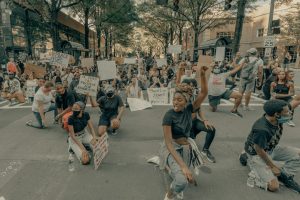
Photo by Marija Zaric on Unsplash
Stay Connected with Flamr
Don’t forget to follow Flamr on social media!
Relacionado
Discover more from Fyra - Dating App for Progressives
Subscribe to get the latest posts sent to your email.